
Key Points:
- Nvidia Chief Executive Officer Jensen Huang will officially accompany United States President Donald Trump on his diplomatic trip to China this week.
- The last-minute addition reverses earlier reports that excluded the semiconductor leader from the official White House delegation list.
- President Trump and Chinese President Xi Jinping will discuss trade, tariffs, artificial intelligence, and Middle East geopolitical tensions from May 14 to May 15.
- Investors hope the high-level meetings will ease semiconductor export restrictions and help Nvidia sell its advanced H200 processors to Chinese buyers.
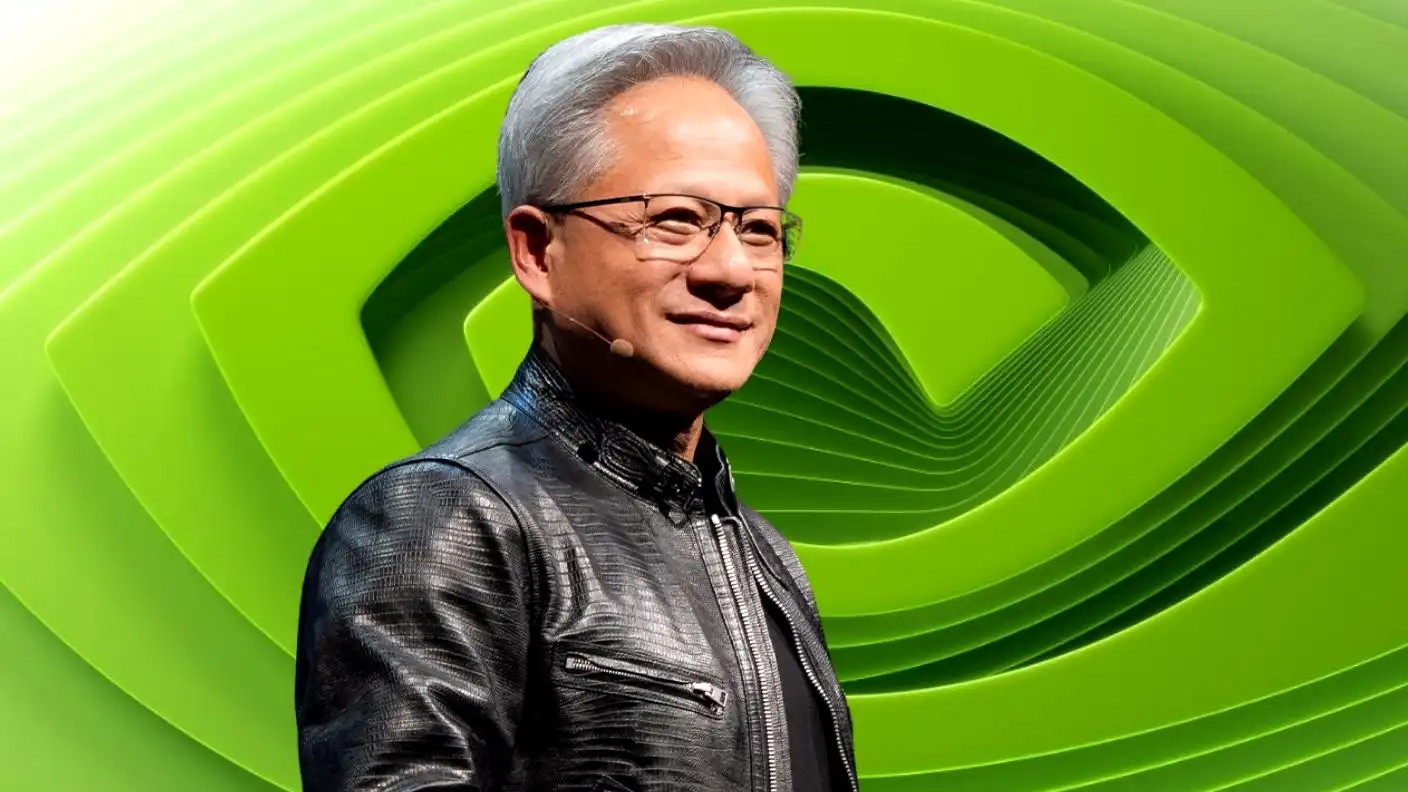
Nvidia Chief Executive Officer Jensen Huang will travel to China this week alongside United States President Donald Trump. Multiple media sources familiar with the matter confirmed the decision on Wednesday. This major development marks a sharp reversal from earlier news reports stating that the White House had completely excluded the chipmaker from the official travel delegation. The sudden change highlights the growing importance of semiconductor technology in modern global diplomacy.
President Trump plans to arrive in Beijing for a crucial 2-day summit stretching from May 14 to May 15. During this highly anticipated visit, he will sit down for intense, face-to-face negotiations with Chinese President Xi Jinping. The two world leaders face a massive and complicated agenda. They plan to discuss ongoing trade disputes, the rapid expansion of artificial intelligence, and steep import tariffs that currently burden both economies. They will also tackle complex geopolitical tensions surrounding the current military conflict in the Middle East, which continues to disrupt global shipping and energy markets.
To project economic strength, Washington arranged for several top American business leaders to accompany the president. The White House wants to use this powerful group of corporate executives to strengthen commercial ties and secure better financial deals with China. By bringing leading technology companies directly into the room, the United States helps protect its most valuable corporate assets during these high-level political talks.
Earlier this week, political insiders noticed a glaring omission on the initial travel manifest. Huang simply did not appear on the preliminary White House list of executives flying to Beijing. At the time, the presidential administration chose to focus its diplomatic efforts primarily on agriculture, aviation, and broader manufacturing and trade deals. Leaving the top artificial intelligence hardware maker off the list caused massive speculation and confusion across the technology sector.
However, the narrative shifted rapidly by Wednesday morning. Fresh reports confirmed that Huang successfully secured a seat on the trip. He now joins a prestigious delegation that features more than 15 highly influential American corporate executives. Adding the Nvidia boss at the eleventh hour proves that artificial intelligence and advanced computing power now sit at the very center of the trade negotiations between the two rival superpowers.
For his part, Huang remained highly diplomatic leading up to the final decision. During recent public appearances, the chief executive officer told reporters that he would view a presidential invitation as a massive privilege. He stated clearly that it would be a great honor to travel to China alongside President Trump if the administration asked him to join. That patience and public respect clearly paid off, as he now prepares to advocate for his company directly on the global stage.
The technology industry will watch Huang very closely during this overseas trip. Nvidia desperately wants to expand its financial footprint in the massive Chinese market. However, the company currently faces severe roadblocks due to strict United States export restrictions. The federal government strictly limits which types of advanced technology American companies can sell to foreign nations, citing serious national security concerns. These strict rules severely limit Nvidia’s ability to maximize its global profits.
Currently, Nvidia fights hard to secure special government approvals to sell its powerful H200 processors directly to Chinese customers. These advanced chips handle massive artificial intelligence workloads, making them incredibly valuable to foreign technology firms trying to build their own smart software. If Huang can use this diplomatic trip to convince both governments to loosen trade rules, Nvidia could unlock over $1.5 billion in brand-new revenue almost overnight.
Wall Street investors remain on high alert as the diplomatic meetings begin in Beijing. Shareholders hope the high-stakes summit between President Trump and President Xi Jinping produces a clear easing in semiconductor tensions. Any positive news on chip exports will likely send technology stocks surging. Investors demand a predictable business environment in which companies can sell their products without worrying about sudden political blockades, surprise executive orders, or new tariffs.
Beyond Nvidia, the entire American technology sector hopes this summit brings positive changes. Companies operating inside China constantly navigate a maze of confusing regulations and restricted market access. If President Trump successfully negotiates better terms for American businesses, countless software developers and hardware manufacturers will benefit. They want the Chinese government to open its doors wider and allow fair, unregulated competition against local tech giants.
The next few days will determine the future of global technology trade. As Jensen Huang joins President Trump in Beijing, the financial stakes for the semiconductor industry have never been higher. The world will watch carefully to see if these two global superpowers can find common ground on artificial intelligence hardware and global commerce. A successful summit could rewrite the rules of international technology sales for the next decade.