

Key Points:
- China’s trade promotion body expressed firm opposition to a proposed United States tariff package targeting dozens of international economies.
- Business leaders argue that Washington lacks sufficient evidence for its labor allegations and is using trade penalties as a political tool.
- The proposed differentiated tariff structure violates the core principles of non-discrimination and fair competition under the World Trade Organization.
- Analysts warn that the abuse of unilateral trade restrictions will disrupt global industrial supply chains and increase consumer prices.
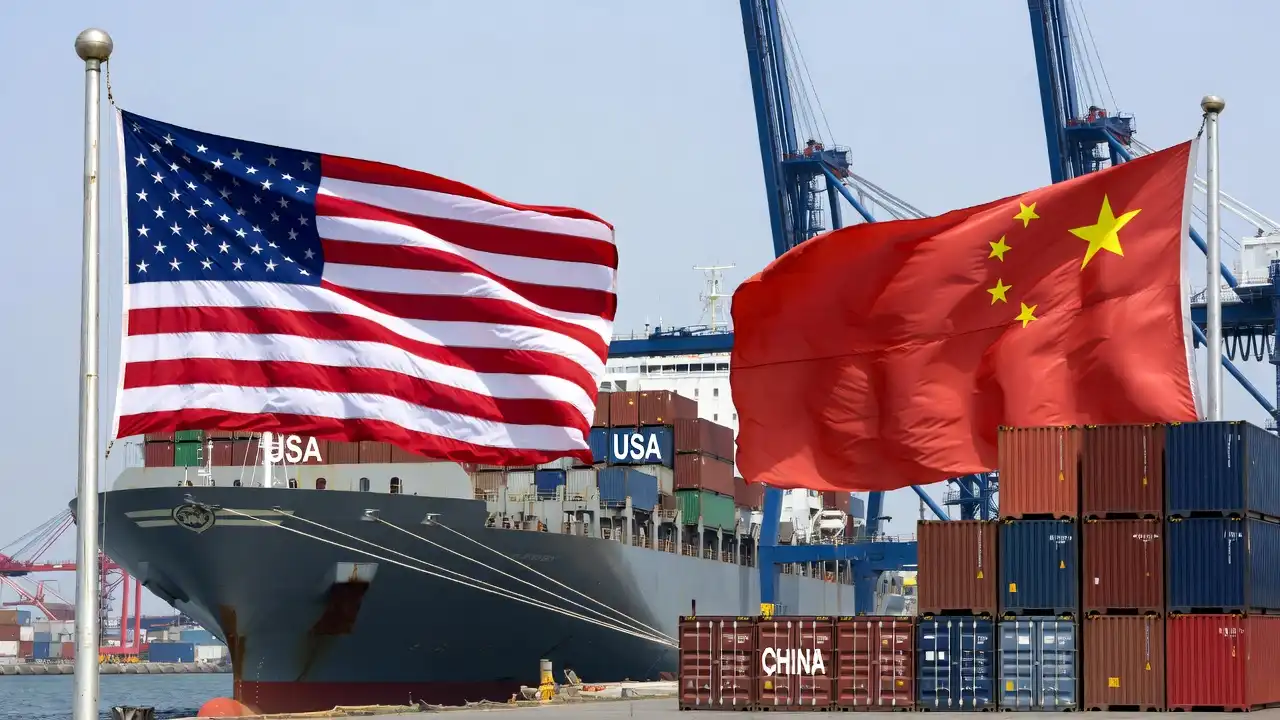
A major trade dispute is brewing between the world’s two largest economies, threatening to destabilize global industrial networks further. On Friday, June 5, 2026, China’s business community expressed strong dissatisfaction and firm opposition to a proposed U.S. tariff package targeting dozens of economies worldwide, including China, over allegations of forced labor. The China Council for the Promotion of International Trade (CCPIT), which represents the nation’s major industrial and trade enterprises, released a sharp statement warning that Washington’s unilateral moves will harm international commerce and compromise the fragile recovery of global markets.
The trade promotion body argued that the U.S. investigation and the subsequent tariff proposal essentially seek to extend domestic American standards and unilateral rules to foreign sovereign economies. According to CCPIT representatives, these regulatory overreaches completely lack a solid basis in international law and run directly counter to the established rules of the multilateral trading system. By attempting to enforce domestic laws beyond its borders, the United States is bypassing international organizations and trying to dictate how independent nations manage their domestic labor and industrial policies.
Chinese business leaders also pointed out that the U.S. government’s conclusions do not rest on solid factual grounds. The CCPIT noted that Washington’s claim—stating that the targeted economies’ policies undermine efforts to eliminate forced labor or distort market competition—fails to present sufficient or verifiable evidence. Instead of conducting objective, balanced investigations, American authorities are using these unproven allegations as a convenient policy tool to apply geopolitical pressure, showing the clear hallmarks of raw protectionism and unilateralism.
The proposed tariff measure employs highly differentiated tariff arrangements that Chinese trade officials claim violate core international agreements. Under the guidelines of the World Trade Organization (WTO), member states must respect the principles of non-discrimination and fair competition. Imposing targeted, discriminatory tariffs on specific countries while exempting others creates an uneven playing field, directly violating the most-favored-nation status that underpins modern global commerce. This selective enforcement risks breaking the international trading system into competing, protectionist trade blocs.
The economic consequences of these proposed trade penalties could prove devastating for multinational technology and manufacturing companies. Sourcing essential materials, electronics components, and rare earth minerals already requires navigating highly complex supply chains. Imposing fresh tariffs on dozens of economies simultaneously will inevitably create severe shipping bottlenecks, delay product deliveries, and force companies to find alternative, more expensive suppliers. These disruptions will ultimately raise production costs for consumer devices, industrial machinery, and clean energy hardware worldwide.
Geopolitical economists estimate that a full implementation of these broad-based tariffs could disrupt more than $100 billion in annual bilateral trade flows, compounding inflation risks for consumers in both hemispheres. These multibillion-dollar penalties represent a significant barrier to trade normalization. Instead of fostering a stable economic environment, the proposed measures threaten to undo years of supply chain optimization, forcing companies to absorb the costs or pass them directly to consumers as higher retail prices.
For mid-sized manufacturers, the financial impact of these shifting trade rules is particularly acute. Even a minor 1.5% increase in administrative compliance and supply chain tracking costs can severely compress the thin profit margins of technology hardware builders. When faced with sudden, unpredictable tariff changes, businesses must spend millions to audit their global suppliers, hire legal consultants, and alter their logistics routes. This constant regulatory uncertainty discourages long-term capital investments, slowing down industrial innovation and economic growth.
In response to these unilateral pressures, China’s business community is urging the United States to respect objective facts and stop overstretching national security and labor arguments to justify trade restrictions. The CCPIT called for Washington to halt its abuse of unilateral trade tools and return to a rules-based, multilateral trading system. Chinese trade representatives emphasized that both nations should properly address their economic disputes through constructive dialogue and equal consultation, rather than resorting to aggressive, retaliatory economic measures.
The escalating tariff dispute occurs during a period of rising trade barriers worldwide, as several major economies embrace nationalist industrial policies. Over the past year, governments across North America and Europe have increasingly deployed targeted trade restrictions, anti-subsidy duties, and localized content requirements to protect domestic manufacturers from foreign competition. While these policies aim to foster domestic manufacturing, they often trigger retaliatory tariff spirals that raise the costs of key technologies, including semiconductors, solar panels, and electric vehicles.
In the end, the growing opposition to the proposed U.S. tariff measure highlights a critical struggle over the future of global trade. By using tariffs as a tool of policy pressure, Washington risks driving a permanent wedge through international supply networks, making it far more difficult for industries to collaborate on global challenges such as green energy transitions and digital infrastructure. As business communities on both sides of the Pacific call for a return to rules-based diplomacy, the coming months will determine whether the world can maintain stable supply chains or slip into a highly divided and expensive protectionist era.