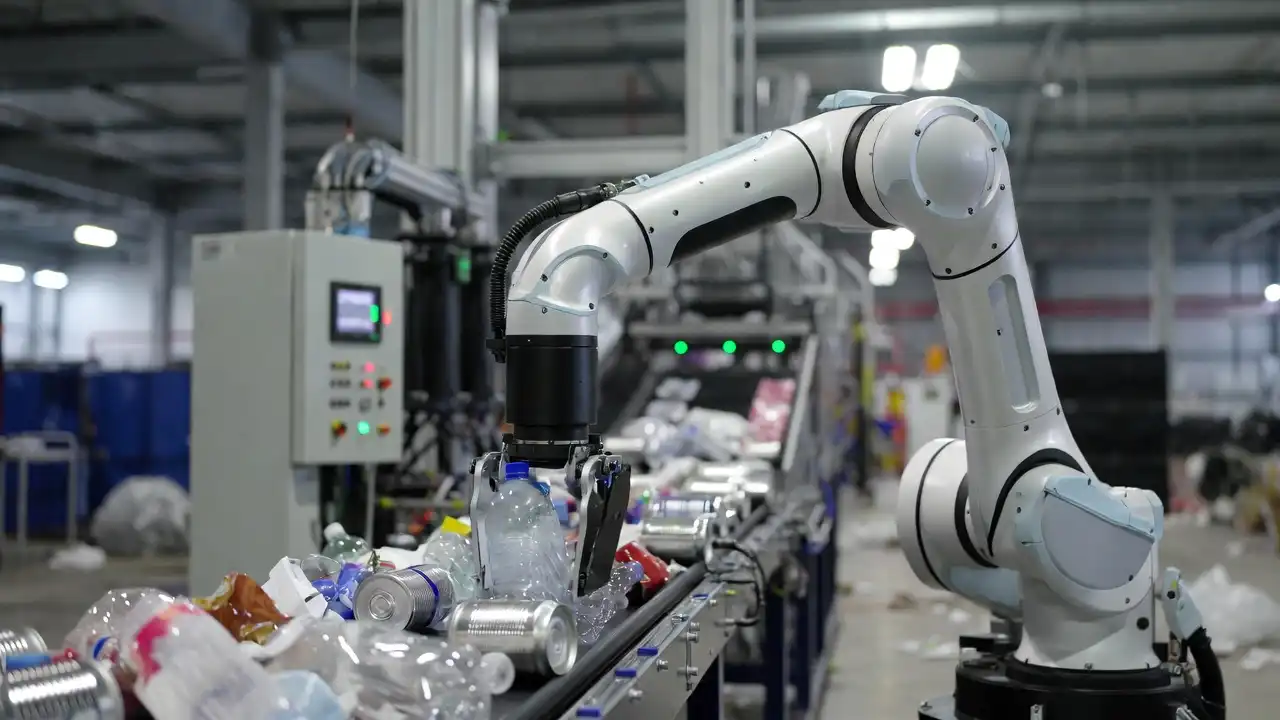
Plastic recycling has become a pivotal aspect of sustainable waste management, addressing the environmental impact of plastic waste. This article provides a comprehensive analysis of the current state of the Plastic Recycling market, examining key trends, market dynamics, and challenges, and offers insights into the future outlook of this critical sector.
Market Overview
The Plastic Recycling market responds to the escalating environmental concerns related to plastic pollution. With the increasing volume of plastic waste globally, the demand for recycling solutions has grown significantly. It involves collecting, sorting, processing, and remanufacturing plastic materials, diverting them from landfills and incineration.
The preliminary estimate from the Techgolly market research team is that the global plastic recycling market was valued at least USD 60 billion in 2026 and is projected to reach USD 141.48 billion by 2035. Growth will continue at a compound annual growth rate (CAGR) of 8% to 10% from 2026 to 2035.
Key Market Trends
Several influential trends mark the Plastic Recycling market:
Technological Innovations
Advancements in recycling technologies are enhancing the efficiency of plastic recycling processes. Innovations such as intelligent sorting systems, advanced washing technologies, and enhanced polymer identification techniques contribute to higher recycling rates and improved quality of recycled materials.
Circular Economy Initiatives
Circular economy initiatives are gaining prominence, emphasizing the importance of closing the loop in the plastic supply chain. Manufacturers and consumers are increasingly adopting practices that promote the reuse and recycling of plastic materials, reducing dependence on virgin plastics and minimizing environmental impact.
Government Regulations
Stringent government regulations and policies addressing plastic waste influence the market. Many countries are implementing Extended Producer Responsibility (EPR) programs and setting recycling targets to encourage businesses to take responsibility for the entire lifecycle of their plastic products.
Growing Consumer Awareness
Increasing awareness among consumers about the environmental impact of plastic pollution is driving demand for recycled plastic products. Eco-conscious consumers are opting for products made from recycled plastics, prompting businesses to incorporate more recycled materials into their offerings.
Challenges
Despite the positive trends, the Plastic Recycling market faces certain challenges:
Contamination of Recyclables
Contamination of recyclables remains a significant challenge in the plastic recycling process. Mixing different types of plastics or including non-recyclable materials hinders the recycling process, leading to lower-quality recycled materials and increased processing costs.
Limited Recycling Infrastructure
Insufficient recycling infrastructure poses a challenge, particularly in regions where the collection and processing of recyclables are underdeveloped. Investing in and expanding recycling facilities and collection systems is crucial for scaling up efforts globally.
Economic Viability
The economic viability of plastic recycling can be a hurdle, especially when compared to the low cost of producing new plastic from raw materials. Bridging the economic gap and making recycled plastics more competitive in the market requires strategic interventions and incentives.
Future Outlook
The Plastic Recycling market holds several key developments for the future:
Advanced Recycling Technologies
The development and adoption of advanced recycling technologies, such as chemical and depolymerization, are expected to increase. These technologies can process a broader range of plastics, including complex and contaminated materials, providing new opportunities for improving recycling rates.
Collaborative Initiatives
Collaborative initiatives among stakeholders, including governments, industries, and non-profit organizations, will be crucial in advancing plastic recycling. Partnerships that foster innovation, knowledge sharing, and investment in recycling infrastructure will contribute to a more sustainable and efficient plastic recycling ecosystem.
Increased Use of Recycled Plastics
The future is expected to witness a significant increase in the use of recycled plastics across various industries. Companies will likely incorporate more recycled content in their products, responding to consumer preferences for sustainable and eco-friendly choices.
Conclusion
Plastic recycling stands at the forefront of the global effort to mitigate the environmental impact of plastic waste. As the Plastic Recycling market evolves, addressing challenges related to contamination, limited infrastructure, and economic viability will be pivotal.
The future outlook is optimistic, with technological advancements, collaborative initiatives, and increased consumer awareness propelling the plastic recycling industry toward a more sustainable and circular future. Embracing the declarations of a circular economy and fostering a commitment to responsible plastic use will be necessary for realizing the full potential of plastic recycling for a healthier planet.