Key Points:
- Meta and Broadcom expand partnership for custom AI processors until 2029.
- The deal includes over one gigawatt of computing capacity.
- Broadcom CEO Hock Tan moves to an advisory role for Meta’s chip strategy.
- Meta aims to reduce reliance on costly Nvidia processors for AI.
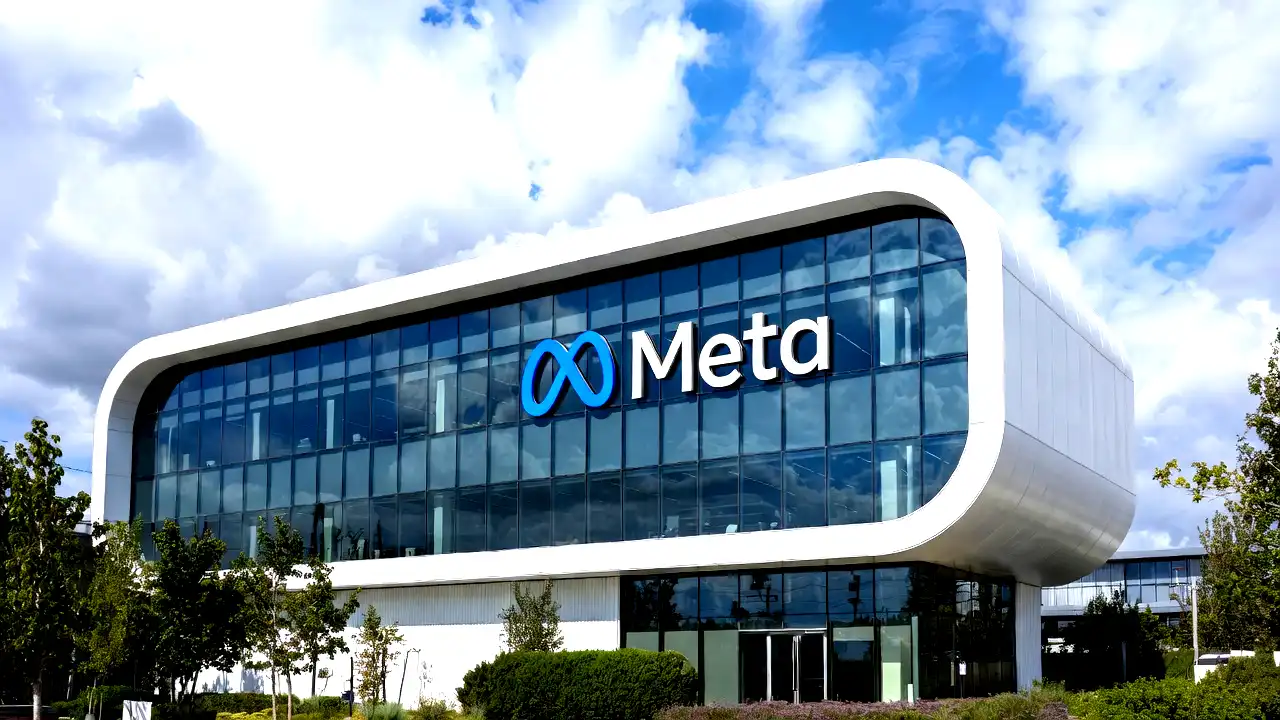
Meta will team up with chip designer Broadcom to create several generations of custom artificial intelligence processors. This expanded deal, announced Tuesday, extends their partnership until 2029. It includes an initial commitment of over one gigawatt of computing capacity, which is enough power for roughly 750,000 U.S. homes on average. This move shows how quickly the social media giant is trying to build the computing power needed for AI features across its apps.
As part of this agreement, Broadcom CEO Hock Tan will step down from Meta’s board and take on an advisory role for Meta’s custom chip strategy, according to a joint statement from the companies. With AI driving a huge increase in computing demand, major technology companies like Meta, Google, and Amazon are designing their own chips. They do this to reduce their dependence on Nvidia’s expensive processors.
This boom in custom chip development has made Broadcom one of the biggest beneficiaries of generative AI. The company works with clients to develop these specialized processors and also provides infrastructure software.
This long-term partnership with Broadcom is crucial for Meta as it pushes deeper into AI. Developing custom chips allows Meta to tailor hardware specifically for its unique AI workloads, potentially making its systems more efficient and cost-effective than using off-the-shelf solutions. This strategic move could give Meta a competitive edge in the rapidly evolving AI landscape.
By securing a stable supply of advanced AI processors, Meta aims to power its ambitious AI initiatives, from improving its content recommendation algorithms to developing more sophisticated virtual reality and augmented reality experiences. This move highlights a broader trend among tech giants to bring more of their core technology development in-house.