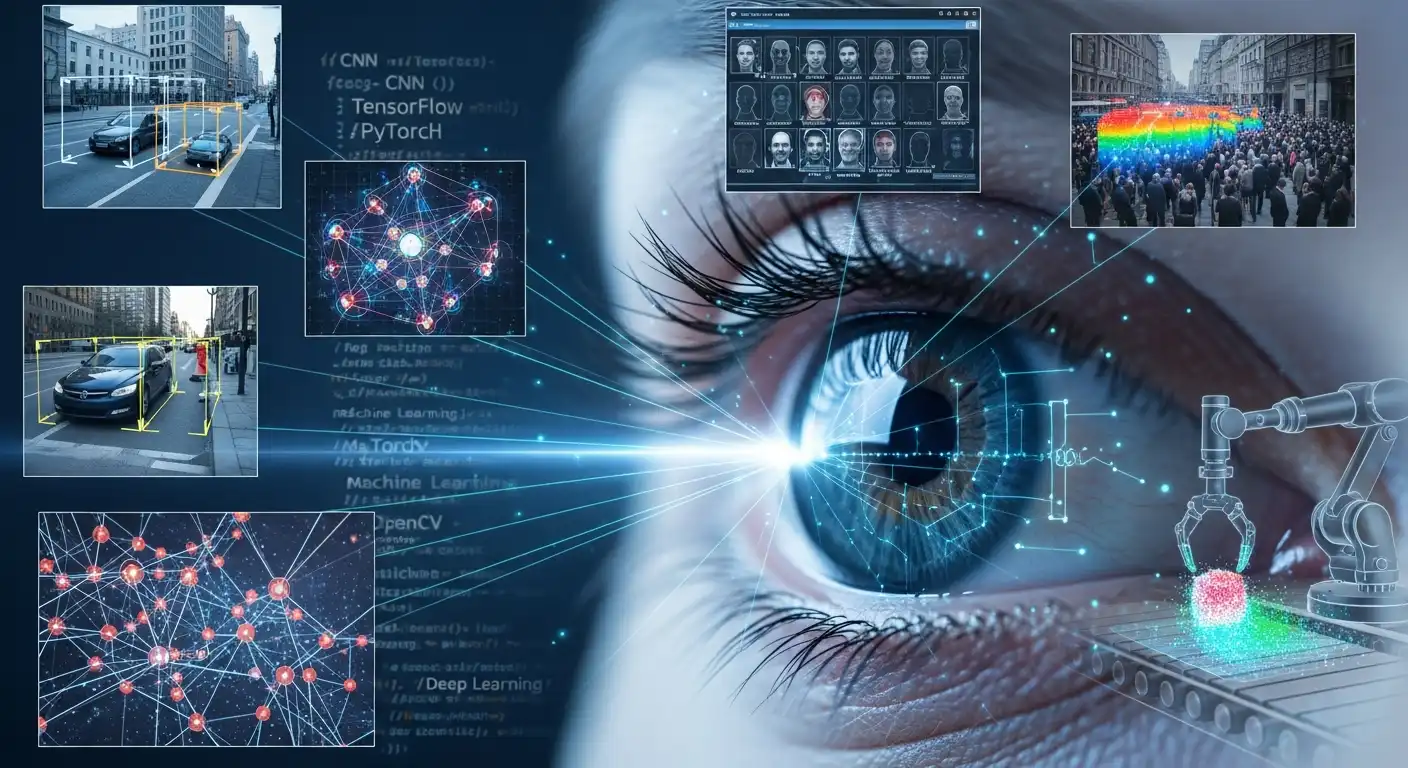
In artificial intelligence (AI), computer vision is a foundational pillar, emulating the human ability to interpret and make sense of the visual world. This transformative technology equips machines to process, analyze, and derive valuable insights from images and videos. As technology rapidly evolves, it shapes various industries and applications, revolutionizing how we interact with technology and perceive the world around us.
Observation of Computer Vision
At its core, computer vision involves training computers to understand and interpret visual data content; this is achieved through complex algorithms, deep learning models, and neural networks. These computational models learn to recognize patterns, features, and objects in images, enabling machines to identify and classify various elements accurately.
One of the most popular applications of computer vision is in autonomous vehicles. The ability of self-driving cars to perceive their environment, detect obstacles, interpret traffic signs, and make real-time decisions is made possible by machine learning algorithms. This application is reshaping the future of transportation, promising safer and more efficient roadways. In healthcare, computer vision is enhancing diagnostic capabilities and patient care. Advanced imaging solutions, such as CT scans and MRI, generate vast amounts of medical imaging data. The algorithms can analyze these images to aid in the early detection of diseases like cancer, enabling timely interventions and improving treatment outcomes.
Computer vision has had a substantial impact on e-commerce. Visual search solutions allow consumers to search for products using images instead of text. By analyzing an image’s visual data, such as color, shape, and texture, these systems provide accurate product recommendations, enhancing the shopping experience. The entertainment industry also leverages computer vision for various applications, including facial recognition for access to events and venues. Additionally, the technology creates stunning visual effects in movies and video games, immersing audiences in a visually captivating experience.
However, as machine vision becomes more prevalent, ethical considerations and concerns about privacy and bias have emerged. Ensuring the responsible and ethical development and deployment of computer vision technologies is critical to addressing these concerns and building public trust.
Computer Vision Market
The Techgolly market research team estimates that the global Computer Vision market was valued at least USD 36 billion in 2026 and is projected to reach up to USD 185.75 billion by 2035. Growth will continue at a compound annual growth rate (CAGR) of 18%-20% from 2026 to 2035.
Conclusion
Computer vision is at the forefront of technological innovation, opening new horizons across numerous industries. Its continuous development and integration into various applications promise to transform our lives, enrich experiences, and redefine how we interact with the world. As we advance in this field, we must navigate the ethical landscape carefully, ensuring the potential benefits are realized responsibly and inclusively.