

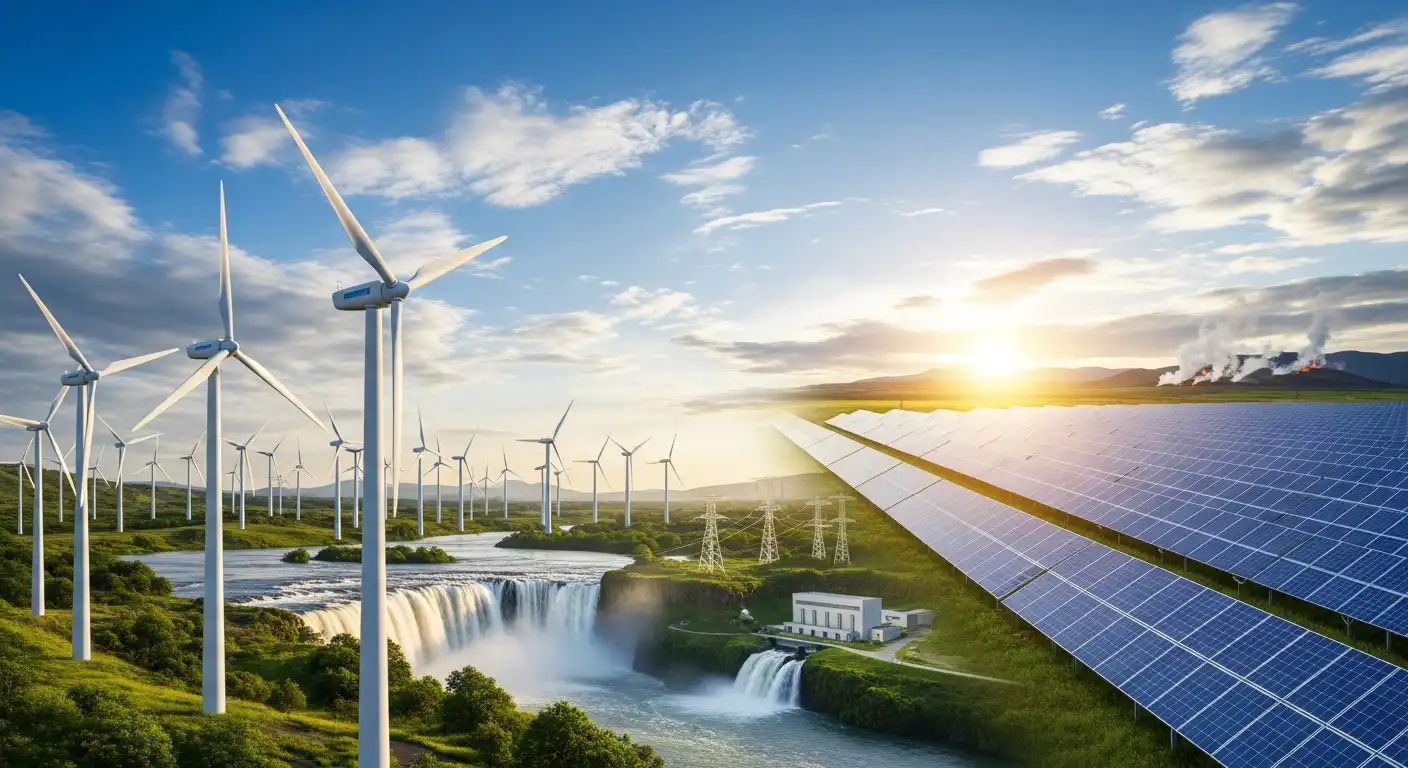
In the face of climate change and the urgent need to transition towards more sustainable energy sources, the landscape of power generation technologies is undergoing a transformative evolution. From traditional fossil fuels to innovative renewable solutions, our choices today will shape tomorrow’s energy landscape. As we stand at the crossroads of energy transition, embracing a diverse mix of power generation technologies is not just necessary—it’s a strategic imperative for a cleaner and more sustainable future.
Diversifying the Power Generation
The power generation sector is a linchpin of modern society, powering homes, industries, and economies. The transition to cleaner energy sources is vital to reducing greenhouse gas emissions and mitigating the impacts of climate change. The solution lies in diversifying our power generation technologies, including a blend of renewable sources, advanced nuclear technologies, and energy storage solutions. A diversified energy mix enhances energy security and creates new possibilities for innovation, job creation, and economic growth.
Renewable Revolution
Renewable energy sources, such as solar and wind, have emerged as frontrunners in the quest for a sustainable energy landscape. Solar panels convert sunlight into electricity, whereas wind turbines harness wind’s kinetic energy to generate power. Both technologies are abundant, clean, and inexhaustible energy sources that could meet a significant portion of global energy demand.
Technological advancements, economies of scale, and supportive policies have bolstered the adoption of solar and wind power. As costs continue to decrease and efficiency increases, these technologies are becoming increasingly competitive with traditional fossil fuels.
Nuclear Power Innovation
Nuclear power generation has long been controversial, with concerns about safety, waste disposal, and proliferation. However, advances in nuclear technology are enabling the development of safer, more efficient, and even sustainable nuclear reactors.
Advanced nuclear technologies, such as small modular reactors (SMRs) and molten-salt reactors, offer the potential for reduced waste generation, improved safety features, and even the recycling of nuclear waste as fuel. These innovations hold promise for addressing the challenges associated with traditional nuclear power and providing a low-carbon energy source.
Harnessing Hydro and Bio
Hydropower, one of the oldest forms of power generation, utilizes the kinetic energy of flowing water to generate electricity. It’s a reliable and sustainable energy source that can provide baseload power, contributing to grid stability. However, concerns about environmental impacts and community displacement have led to careful consideration of new hydropower projects.
Bioenergy, derived from organic materials such as biomass and waste, offers a versatile and renewable energy source. It can be used for electricity generation, heat production, and biofuel production for transportation. Properly managed, bioenergy can reduce waste, support local economies, and reduce carbon emissions.
Energy Storage Technologies
Energy storage technologies are critical components of a sustainable energy landscape. They address the erratic nature of renewable energy sources and enhance grid stability. Batteries, pumped-hydro storage, and emerging technologies such as flow batteries store excess energy generated during peak periods and release it during periods of high demand.
Energy storage systems play a pivotal role in enabling the widespread adoption of renewables, reducing reliance on fossil fuels, and enhancing the resilience of energy grids against disruptions and outages.
Challenges and Integration
While diverse power generation technologies promise immense promise, integrating these sources into existing energy systems remains challenging. The intermittent nature of renewables requires advanced grid management and energy storage solutions. The expansion of nuclear power necessitates addressing safety, waste management, and regulatory concerns.
Furthermore, transitioning to a more diverse energy mix requires substantial investments in infrastructure, research, and policy development. Governments, industries, and communities must collaborate to navigate these challenges and facilitate a smooth transition to cleaner energy sources.
Responsible Energy Transition
The transition to a more diverse and sustainable energy landscape is not just a local endeavor—it’s a global imperative. The impacts of climate change and the need for energy security transcend borders, demanding international cooperation and collaboration.
Countries and communities worldwide must share knowledge and best practices to accelerate the adoption of cleaner power-generation technologies. Multilateral agreements, international partnerships, and knowledge-sharing platforms can facilitate the exchange of expertise and drive collective progress.
Conclusion
The journey towards a diverse and sustainable energy landscape is a monumental endeavor that promises a cleaner, more prosperous future. By adopting a mix of power-generation technologies, we can reduce carbon emissions, improve air quality, and enhance energy security.
Our choices today will determine the trajectory of the planet for generations to come. As we navigate the complexities of energy transition, let us harness the power of innovation, collaboration, and responsible decision-making. By embracing a diverse array of power generation technologies, we illuminate the path toward a brighter, more sustainable energy future that benefits our planet and the generations that will inherit it.






