

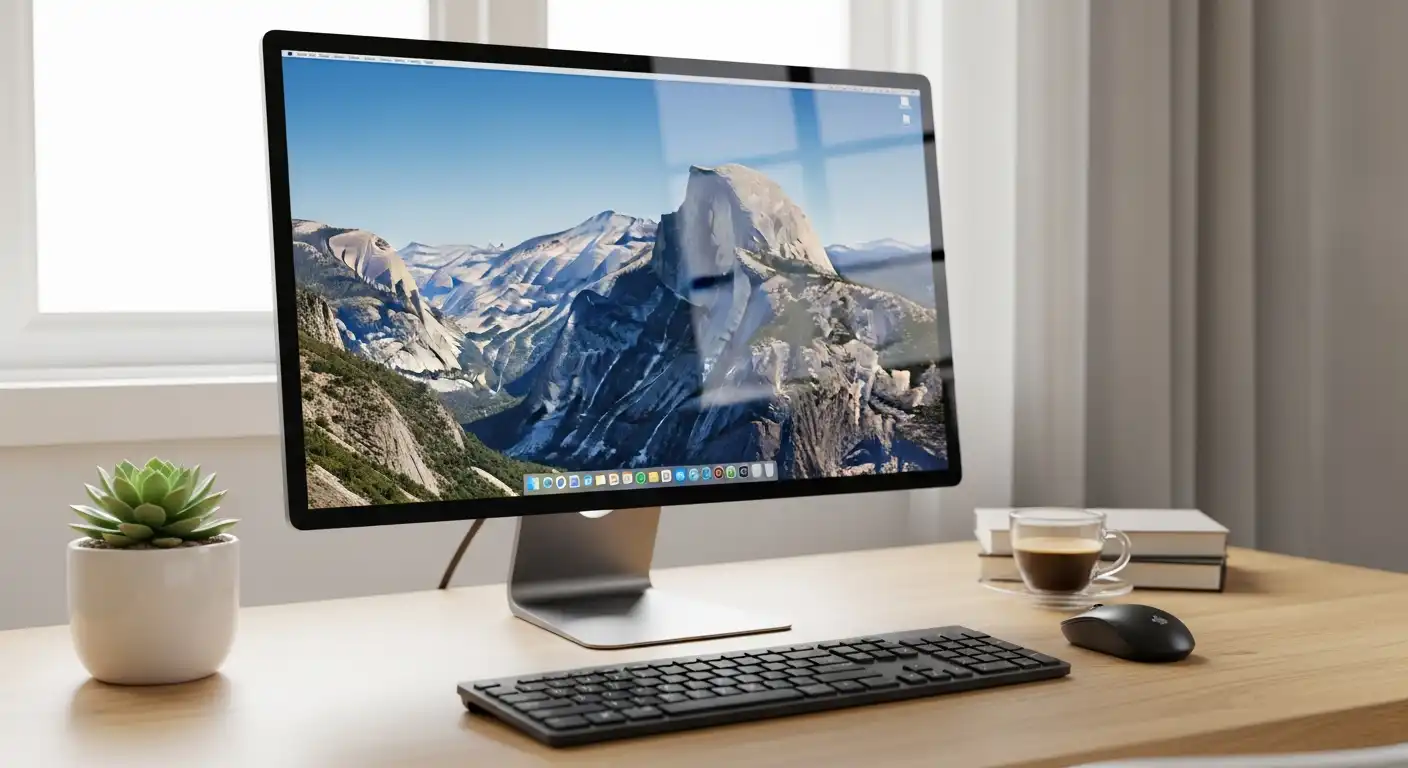
In today’s rapidly evolving, technology-centric workspace, monitors play an important role in shaping productivity, comfort, and the overall work experience. From graphic design and programming professionals to those immersed in data analysis or content creation, the perfect monitor you choose is a cornerstone of your workstation setup.
Tips to Choose the Perfect Monitor
Navigating the terrain of selecting the perfect monitor can be a formidable task amidst the many options available. This comprehensive guide aims to lead you through the crucial considerations and steps to help you make an informed decision when choosing a monitor that seamlessly aligns with your distinctive workstation requirements.
Understanding the Importance of the Right Monitor
Before we delve into the intricacies of selecting the perfect monitor, it’s imperative to acknowledge why this decision is so significant.
- Visual Comfort as a Priority: Prolonged screen time can lead to eye strain and discomfort. Opting for a monitor with the right resolution, size, and features minimizes eye fatigue and promotes visual well-being.
- Elevating Productivity: A monitor’s size and resolution are pivotal in determining your multitasking capabilities. A larger screen with higher resolution enables you to manage multiple applications and windows concurrently, fostering efficiency and streamlining your workflow.
- Emphasis on Color Accuracy: For individuals engaged in tasks such as graphic design, photo editing, and video production, a monitor with accurate color reproduction is indispensable. Ensuring your work appears as intended demands a monitor that faithfully renders colors.
Determining Your Work Needs
Embark on selecting the perfect monitor by closely examining your unique work requirements.
- Tailoring to Task Type: Reflect upon the nature of your daily tasks. Are you predominantly involved in creative pursuits like graphic design, programming, content creation, and data analysis, or is your work more centered around general office tasks?
- Cruciality of Multitasking: Gauge the extent of your multitasking. Do you find yourself juggling multiple applications and windows simultaneously?
- Color Precision Necessity: If your work hinges on precise color representation, assess whether your tasks demand color accuracy. It is particularly pertinent for graphic designers, photographers, and video editors.
Resolution and Screen Size
Two paramount factors that significantly influence your visual experience are the monitor’s resolution and screen size.
- Resolution’s Impact: Opting for a higher resolution, such as 1440p (Quad HD) or 4K, provides more screen real estate and sharper visuals. It proves advantageous for tasks that require intricate detail. Conversely, a Full HD (1080p) resolution might be sufficient for standard office tasks.
- Balancing Screen Size: While a larger screen lets you display more content simultaneously, striking a harmonious balance between screen size and available desk space is crucial.
Opting for the Right Panel Type
The monitor’s panel type affects various factors, including color accuracy, viewing angles, and response time.
- The Versatility of IPS: In-plane switching panels are renowned for their exceptional color accuracy and wide viewing angles. It makes them an apt choice for tasks demanding color-critical work or collaborative environments.
- Speed and Trade-Offs of TN: Twisted Nematic panels boast swift response times, making them an appealing choice for tasks like gaming. However, they might compromise color accuracy and viewing angles to some extent.
- Striking a Balance with VA: Vertical Alignment panels carve a middle path, balancing the merits of IPS and TN panels. These panels deliver decent color accuracy coupled with enhanced contrast.
Factor in Refresh Rate and Response Time
While a standard refresh rate of 60Hz and a response time of 5ms or lower suffice for non-gaming tasks, gaming or video editing requires monitors with higher refresh rates and faster response times.
Delve into Connectivity and Ports
Evaluating your monitor’s connectivity options is crucial to ensuring it integrates with your devices. Examine whether the monitor has the necessary ports to accommodate your devices, such as HDMI, DisplayPort, USB-C, and legacy VGA.
Embrace Ergonomics and Adjustability
A monitor’s ergonomics and adjustability substantially influence the comfort quotient during long work hours.
- Height Matters: Prioritize monitors equipped with height-adjustable stands. This feature lets you fine-tune the monitor’s height to ensure optimal eye level and minimize neck strain.
- Tilt and Swivel: A monitor’s tilt and swivel capabilities enable you to customize the viewing angles, a crucial factor for ensuring comfort during prolonged work sessions.
Explore Additional Features
Unveil the additional features that have the potential to elevate your workflow.
- Built-in Audio: Monitors equipped with built-in speakers can save precious desk space for individuals who require audio during their tasks.
- Amplify Connectivity with USB Hubs: Monitors with embedded USB hubs provide supplementary connectivity options, serving as hubs for various peripherals.
Aligning with Your Budget
Your budget is an instrumental factor in shaping your perfect monitor selection. While premium monitors offer advanced features, budget-friendly options can still deliver satisfactory performance for standard tasks.
Conclusion
The quest for the perfect monitor tailored to your workstation requirements is a decision that reverberates through your productivity, comfort, and overall work environment. By immersing yourself in the intricacies of your work needs, thoughtfully weighing factors such as resolution, screen size, panel type, refresh rates, and connectivity options, and considering ergonomics and additional features, you can make a well-informed choice. The perfect monitor is an investment that begets enhanced efficiency, visual ease, and the seamless convergence of technology and work.






