
Key Points:
- TSMC Chairman and CEO C.C. Wei met with employees to defuse the growing bonus controversy and threats of a Samsung-style strike.
- Wei promised that the employee profit-sharing bonus for the first quarter of 2026 will increase by 30% from last year.
- The company rejected claims of division-centric compensation, stating all segments share in the massive AI-driven profits.
- The labor dispute follows record Q1 profits, with net income surging 58.3% to $18.2 bill, driven by robust global demand for al AI hardware.
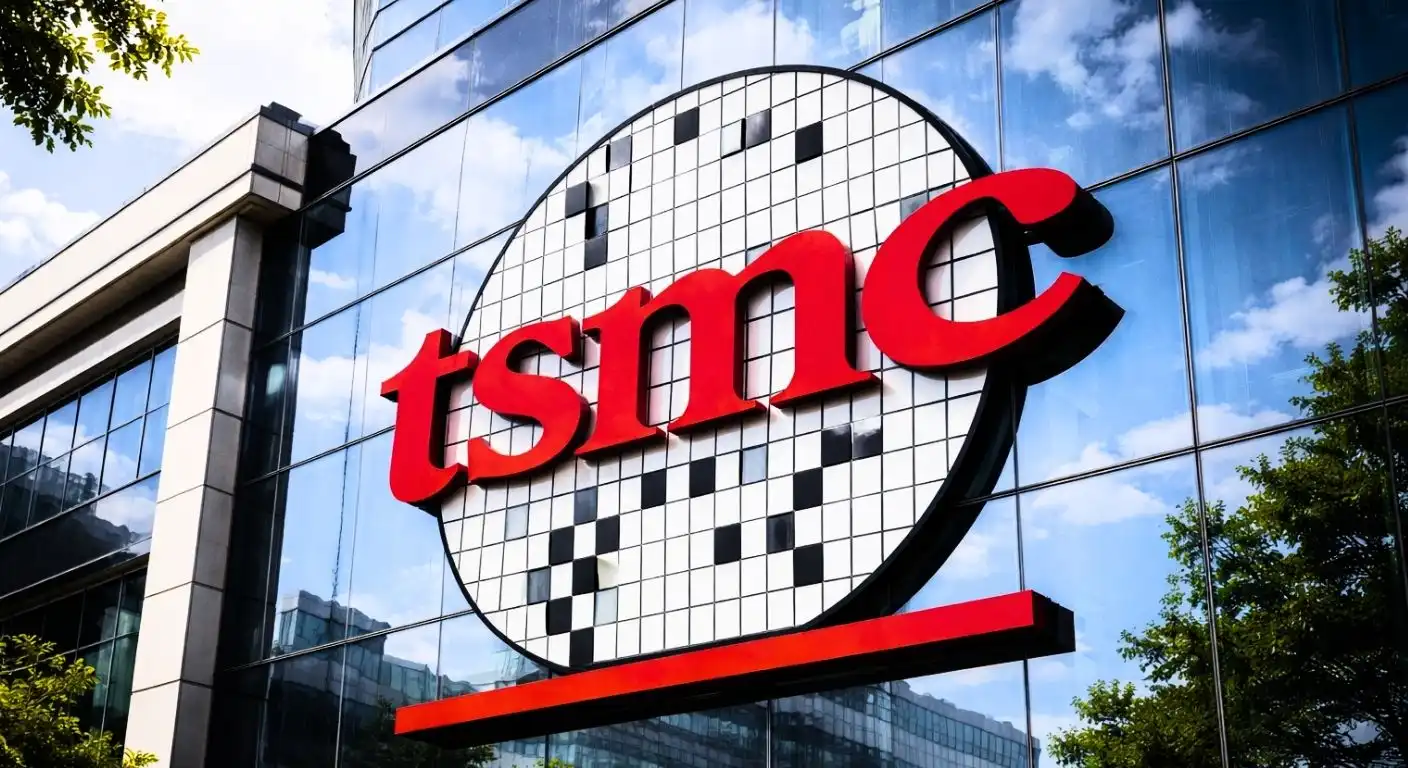
The rapid expansion of the artificial intelligence boom has triggered a high-stakes labor dispute at the world’s most important chipmaker. On Wednesday, May 27, 2026, C.C. Wei, the chairman and chief executive officer of Taiwan Semiconductor Manufacturing Company (TSMC), canceled a scheduled international business trip to meet directly with employees at the company’s headquarters in Hsinchu, Taiwan. The extraordinary meeting sought to defuse the growing TSMC employee bonus controversy, which erupted after rumors of payout cuts prompted angry workers to threaten unionization and coordinated strike action.
The internal friction began in mid-May when rumors circulated on social media that TSMC planned to cut or freeze performance bonuses by up to 15%. Some online reports even claimed that Wei had suggested a 20% to 30% reduction in employee payouts to help fund the company’s massive global expansion plans. This news sparked intense anger among engineers and technicians, who pointed out that the company is currently enjoying record-breaking profits from the AI hardware boom. Inspired by a recent narrow strike-avoidance at rival Samsung Electronics, TSMC employees openly discussed forming an independent union and walking off the job.
To calm the mounting unrest and reassure the workforce, Wei held an emergency town hall meeting on Wednesday morning. He flatly denied the rumors of bonus cuts, instead delivering a highly optimistic and generous compensation update. Wei promised employees that the profit-sharing bonus for the first quarter of 2026 would rise by approximately 30% compared to the same period last year. He also declared that there is no upper limit on TSMC’s performance bonuses, reassuring the staff that their share in the AI revolution remains secure.
In addition to the pay hike, Wei strongly encouraged employees to buy company stock, expressing absolute confidence in TSMC’s long-term business trajectory. He told the gathered workforce that if they invest their increased bonuses in TSMC shares, they will never have to worry about their financial futures. Wei also took the opportunity to deny that the chipmaker utilizes a division-centric compensation system. He explained that, unlike other technology companies that reward only the departments that make money, TSMC distributes profits evenly, ensuring that supportive, non-profit-generating divisions receive equal bonuses.
The high-stakes labor dispute comes as TSMC reports some of the strongest financial results in its history. During the first quarter of 2026, the company posted record revenue of NT 1.13 trillion ($35.9 billion) and net income of NT 572.48 billion ($18.2 billion). The company’s net profit jumped by an astonishing 58.3% year-on-year, easily beating Wall Street expectations. The stellar performance relied heavily on relentless global demand for advanced 3-nanometer chips and cutting-edge packaging technologies used in AI accelerators for major customers such as Nvidia, AMD, and Apple.
However, the company’s aggressive, multi-billion-dollar global expansion has heavily strained its capital reserves, creating the initial friction with employees. To maintain its absolute lead in advanced chip manufacturing, TSMC has embarked on an unprecedented construction spree, building 12 new fabrication plants across Taiwan, the United States, Japan, and Germany. This includes a massive $165 billion investment in Arizona, where the company plans to base approximately 30% of its future sub-2nm chipmaking capacity. To fund this expansion, TSMC raised its 2026 capital expenditure target to the upper end of its guidance, projecting spending of up to $56 billion this year alone.
The tension at TSMC mirrors a broader, highly contentious labor movement sweeping across East Asia’s high-tech manufacturing hubs. Just last week, South Korea’s Samsung Electronics narrowly avoided an unprecedented 18-day strike after reaching a last-minute wage agreement with its newly emboldened union. As these tech giants continue to generate hundreds of billions of dollars in AI-driven revenues, their highly skilled workforces are increasingly demanding a larger share of the wealth, challenging the traditional corporate culture of long working hours and low baseline pay.
As the June 2026 operational cycle begins, the rapid resolution of the TSMC bonus dispute has brought much-needed stability to the global technology supply chain. Even a brief, localized strike at TSMC’s Taiwanese factories would have dealt a catastrophic blow to the global tech economy, instantly halting the production of advanced smartphones, server processors, and AI hardware worldwide. By taking decisive action, canceling his travel, and promising a 30% bonus hike, C.C. Wei has successfully protected the company’s near-term production schedules, proving that managing human capital is just as vital as building advanced factories.