Key Points:
- Florida Attorney General James Uthmeier officially opened an investigation into OpenAI and its popular ChatGPT platform.
- The state accuses the artificial intelligence company of directly facilitating the recent mass shooting at Florida State University.
- Uthmeier announced the major legal move through a social media post, claiming the technology harms children and endangers citizens.
- Officials have yet to publish a formal press release on the government website detailing the exact legal demands.
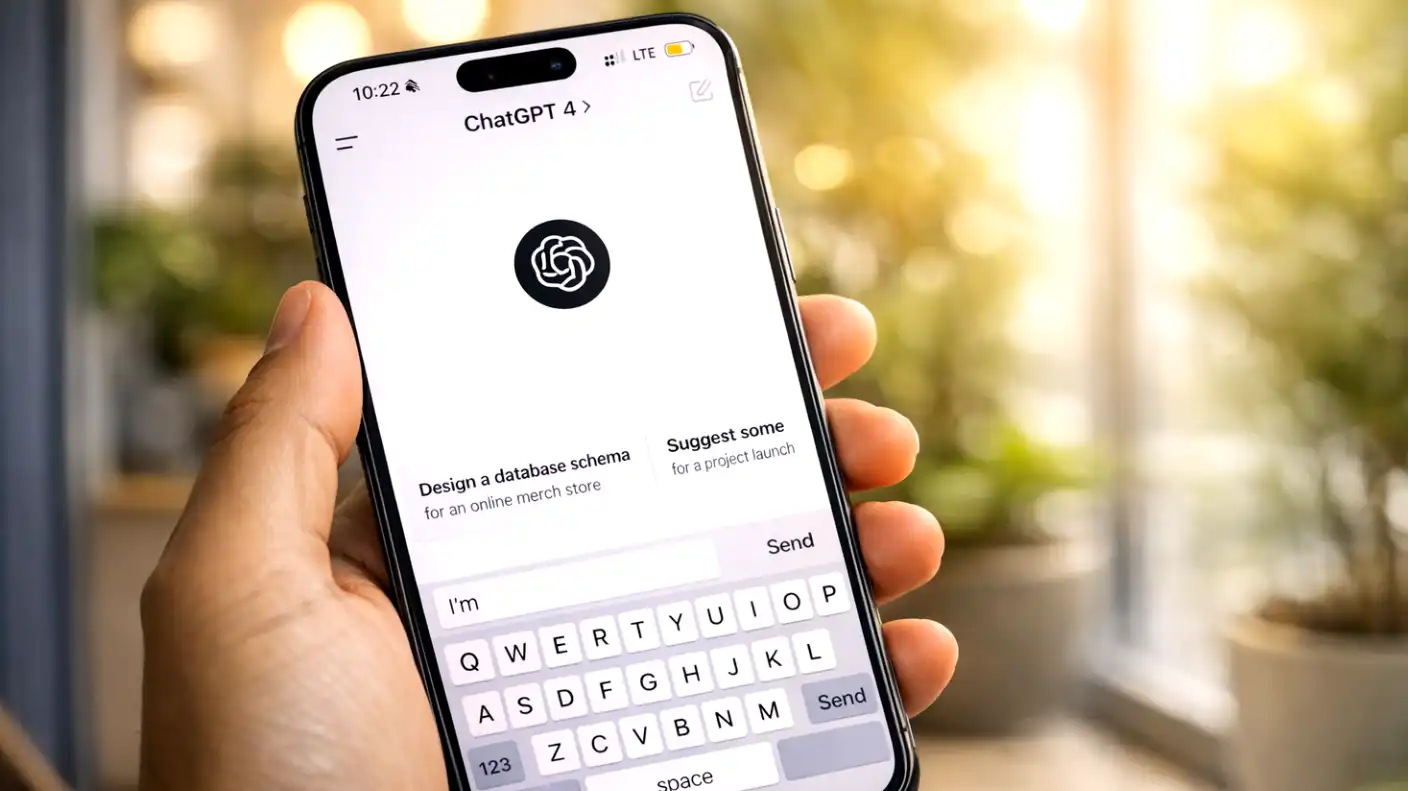
Florida Attorney General James Uthmeier launched a major legal strike against one of the biggest technology companies in the world. On Thursday, he announced that his office had opened a formal investigation into OpenAI and its popular chatbot, ChatGPT. The state government wants to know exactly how this artificial intelligence operates. This investigation carries heavy weight because Uthmeier made a shocking accusation. He claims the software directly facilitated the recent mass shooting at Florida State University.
The attorney general bypassed traditional government channels to break the news. Instead of holding a press conference, Uthmeier posted his statement directly on social media. He wrote that artificial intelligence should advance mankind, rather than destroy it. He boldly stated that his office demands answers regarding how the activities of the company have hurt kids, endangered everyday Americans, and enabled the horrific violence at the university.
At the time of his post, the official website for the Florida attorney general showed no formal press release. The lack of formal paperwork leaves many legal experts guessing about the exact nature of the probe. However, linking a Silicon Valley technology company to a tragic school shooting instantly grabs national attention. People now wonder how a text-based application could help someone carry out physical violence on a college campus.
Law enforcement experts note that generative software can sometimes bypass basic safety filters. If a user asks the right sequence of questions, the machine might provide dangerous information. It could give instructions on how to build weapons, bypass security systems, or plan an attack. If the company fails to block even 1.5% of harmful requests, thousands of dangerous responses still slip through the cracks. If the shooter at Florida State University used the application to plan the massacre, the state of Florida wants to hold the company accountable for providing that terrible assistance.
Beyond the university tragedy, Uthmeier pointed to the harm the software causes to children. Millions of teenagers use the application every day to do homework or simply chat. Parents and lawmakers worry that the machine gives inappropriate advice to minors. They fear that the technology lacks adequate filters to prevent kids from seeing harmful content. Florida wants to dig through the company’s internal records to see exactly what safety measures are in place and where they fall short.
The accusation that the company endangers Americans raises national security concerns. State officials worry that bad actors use the tool to write malicious computer code or plan cyberattacks. While the company claims it spends millions of dollars building strong safety guardrails, Florida clearly believes those efforts fall short. The state government refuses to allow a private corporation to release powerful tools without subjecting them to strict public oversight.
If Florida proves that the company acted carelessly, the financial and legal consequences could be devastating for the technology industry. State prosecutors could seek massive fines, potentially exceeding $1 billion, for consumer protection violations. They could also force the company to completely rebuild its software before allowing Florida residents to use it again. A successful lawsuit in Florida would certainly encourage other states to file their own charges.
The company now faces a massive public relations and legal nightmare. Executives must gather their records, emails, and safety protocols to answer the demands from Florida. They have to prove that they took every reasonable step to prevent their software from helping criminals. Until they do, the dark cloud of the university tragedy will hang heavily over their brand.
The entire technology world watches this case closely. Up until now, software creators largely escaped blame when criminals misused their products. This investigation tests a brand new legal theory. It asks whether the creator of an intelligent machine shares the blame when that machine gives dangerous advice. The answers Florida uncovers in the coming months will likely shape the future of artificial intelligence for decades.