Key Points:
- Kazakhstan, Kyrgyzstan, and Uzbekistan will build a 1,880 megawatt hydropower plant on the Naryn River to power 1.5 million homes.
- Kazakhstan plans to spend $645 million on a new 500-megawatt wind farm and to build three nuclear power plants.
- Tajikistan generates 98% of its electricity from renewable sources and wants to become a fully green nation by 2037.
- Uzbekistan aims to cut its emissions in half by 2035 and will build 11 new waste-to-energy power plants.
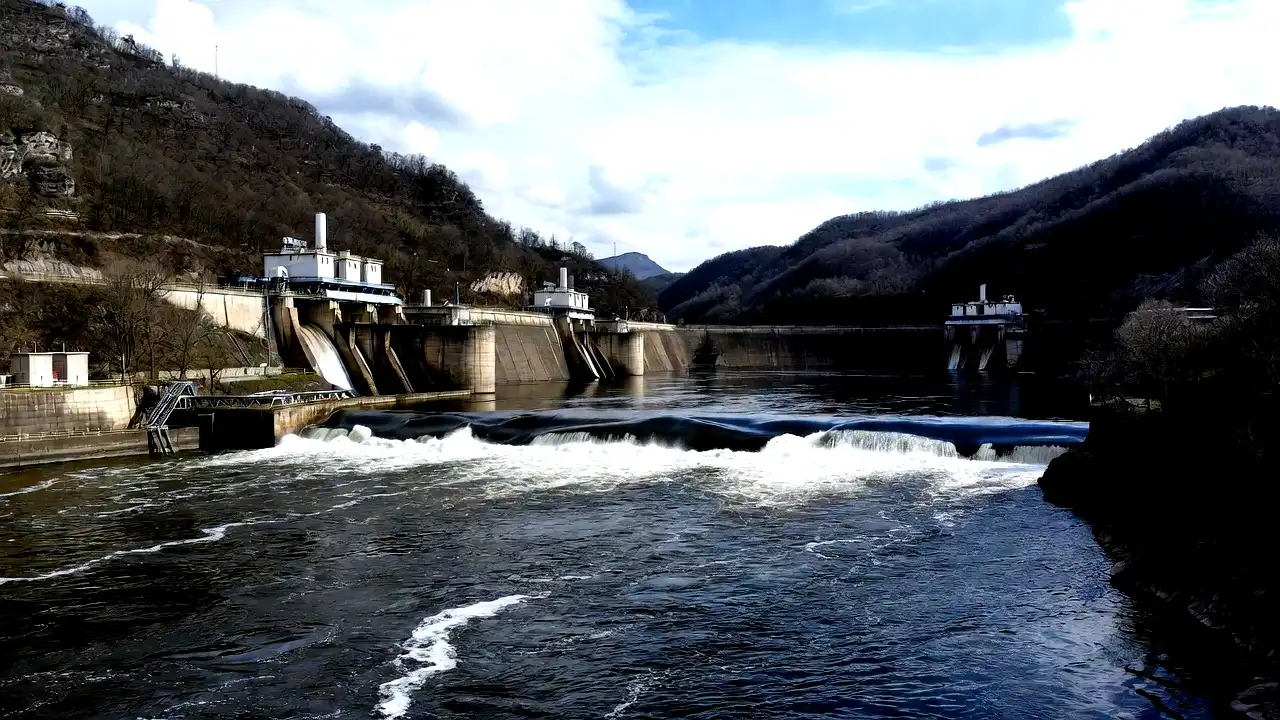
Kazakhstan, Kyrgyzstan, and Uzbekistan are working together to build a massive hydropower plant. They will construct the facility on the Naryn River in Kyrgyzstan. The massive project will generate nearly 2,000 megawatts of electricity. This power output is equivalent to two large nuclear reactors and can supply electricity to 1.5 million homes across the region.
Kyrgyzstan President Sadyr Japarov highlighted this group effort at the Regional Ecological Summit in Astana on April 23. He called the 1,880 megawatt Kambarata power plant a strategic necessity for everyone. Officials are actively negotiating the final agreements with financial help from the World Bank. The next round of official talks will take place in Tashkent in April 2026.
Beyond the giant joint project, Kyrgyzstan focuses heavily on local renewable energy. The country will open 13 small hydropower plants in 2026. These smaller plants will add more than 81 megawatts to the local electrical grid. The government also plans to build new solar and wind projects that will produce an extra 6,050 megawatts. Just last year, they opened their first major 100 megawatt solar plant in the Chuy region.
Kazakhstan is also pushing hard to modernize its power system. The country currently operates 162 renewable energy sites, and green energy accounts for 7% of its total energy mix as of 2025. Prime Minister Olzhas Bektenov recently signed a major deal to build a 500 megawatt wind farm in the Karaganda region. A Chinese company will help build this $645 million project, which will cut carbon dioxide emissions by 1.3 million tonnes every year.
While adding wind and solar, Kazakhstan also looks toward nuclear energy. The country controls about 40% of the global uranium supply. President Kassym-Jomart Tokayev announced that the country will build three nuclear facilities. Voters approved this plan in a 2024 public referendum. Companies from China and Russia will build these new reactors, bringing nuclear power back to the nation for the first time since the old Soviet era.
Tajikistan leads the entire region in clean energy production. The mountainous country generates an impressive 98% of its electricity from renewable water sources. About 13,000 local glaciers supply more than 60% of the region’s total water. Energy Minister Daler Juma stated that Tajikistan wants to become a completely green nation by 2037. Thanks to its rapid rivers, the country ranks eighth globally in total hydropower potential.
Uzbekistan takes a different path by focusing heavily on sun and wind power. The nation runs 15 solar plants and 5 wind farms today. President Shavkat Mirziyoyev announced a new goal to cut total carbon emissions by 50% before 2035. To reach this goal, the country will build 11 large waste incineration plants. These facilities will process 5.5 million tonnes of garbage every year and generate 2.2 billion kilowatt-hours of fresh electricity.
Turkmenistan moves at a much slower pace because it possesses massive natural gas reserves. However, the desert nation experiences more than 300 sunny days a year, giving it huge solar potential. Builders are currently constructing a 10 megawatt hybrid solar and wind plant in the Balkan province to power local villages. The government also talks with Azerbaijan about laying undersea power cables across the Caspian Sea to eventually sell green energy to Europe.
All these Central Asian countries must unite because climate change hits their region extremely hard. Temperatures in Kazakhstan increased by nearly 6 degrees Celsius over the past century. Kyrgyzstan warmed by 2 degrees Celsius, and Turkmenistan surpassed the dangerous 1.5-degree mark. President Emomali Rahmon noted that the melting of more than 1,000 glaciers in Tajikistan threatens Tajikistan’s entire water supply. This severe warming forces these nations to act fast and build secure, shared energy systems.