
Key Points:
- Manfred Weber, the leader of the European People’s Party, urged the European Union to implement tough trade defenses to protect domestic manufacturing from Chinese overcapacity.
- State-subsidized electric vehicles, solar panels, and clean tech from China threaten to wipe out up to 1.5 million local jobs and cause irreversible deindustrialization across the bloc.
- The EPP chief highlighted a staggering €400 billion trade deficit with Beijing, demanding immediate action to level the playing field for European businesses.
- European lawmakers must cut internal bureaucratic red tape and boost the €2 trillion single market to ensure local tech and auto companies can compete globally.
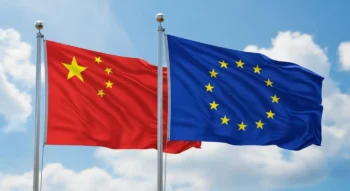
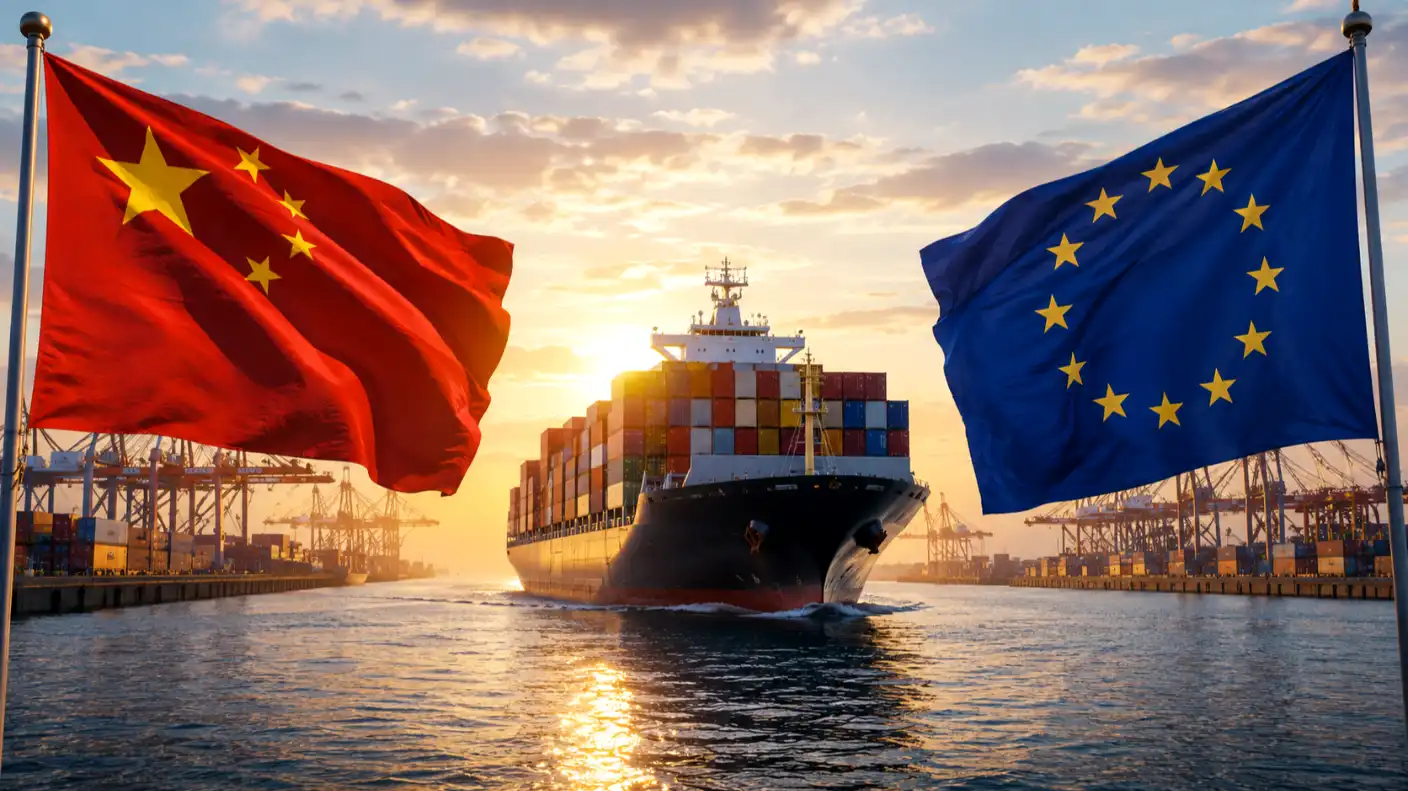
A major political battle over the future of European manufacturing is heating up in Brussels. Manfred Weber, the influential leader of the European People’s Party (EPP), delivered a harsh warning to the European Union leadership about the looming threat posed by Chinese industrial policies. Weber urged policymakers to act aggressively to prevent Beijing from crippling Europe’s core industrial sectors. As cheap, heavily subsidized Chinese goods flood the continent, political leaders are scrambling to find a unified defense strategy that protects local jobs without triggering an all-out global trade war.
The conflict traces back to Beijing’s massive state subsidies for its domestic manufacturing base. The Chinese government poured billions of dollars into scaling up the production of electric vehicles, solar panels, wind turbines, and advanced batteries. Because the domestic Chinese market cannot absorb this massive output, manufacturers are dumping their excess inventory onto global markets at artificially low prices. European factories, which operate under strict environmental and labor regulations, simply cannot compete with this state-sponsored price undercutting.
Weber made it clear that Europe cannot afford to repeat past mistakes. Over a decade ago, cheap Chinese imports completely decimated the European solar panel manufacturing industry, wiping out nearly 100,000 local jobs. Today, the stakes are much higher. The continent’s vital automotive sector directly and indirectly employs over 13 million people, accounting for roughly 7% of total EU employment. If Chinese electric vehicles capture the European market at their current pace of growth, industry analysts estimate that up to 1.5 million automotive and supply chain jobs could disappear within the next five years. A simple 1.5% drop in European market share costs domestic automakers billions in lost revenue, forcing them to scale back future research and development.
To halt this industrial decline, the EPP chief demands swift implementation of robust trade defense instruments. The European Commission has already launched an anti-subsidy investigation into Chinese electric vehicles, which could result in retroactive tariffs. Weber argues that the EU must broaden its scope beyond just cars. He insists that Brussels needs a comprehensive, blanket strategy to defend clean tech, robotics, and essential raw materials. Implementing a standardized 15%-25% protective tariff on heavily subsidized imports could give European factories the breathing room they desperately need to scale up their operations.
The economic imbalance between the two regions is staggering. Last year, the European Union recorded a massive €400 billion (about $430 billion) trade deficit with China. This massive transfer of wealth drains capital from the European economy while fueling China’s technological rise. Weber stressed that trade must be a two-way street based on fairness and reciprocity. Currently, European companies seeking to operate in China face forced technology transfers, joint-venture requirements, and restricted market access. Meanwhile, Chinese firms enjoy almost unrestricted access to Europe’s €2 trillion single market.
Tariffs alone cannot fix the European economy. Weber also directed his criticism inward, blaming excessive European bureaucracy for suffocating local innovation. Small and medium-sized enterprises across Germany, France, and Italy spend countless hours and millions of euros simply trying to comply with complex EU regulations. To truly compete with China and the United States, the EPP leader stated that Europe must drastically cut red tape. Streamlining the permitting processes for new factories and tech hubs will allow European innovators to move from the research phase to commercial production much faster.
Energy costs remain another massive hurdle for European industrial competitiveness. Since the geopolitical shifts of 2022, European factories face energy bills up to three times higher than those of their counterparts in Asia and North America. Weber noted that a true industrial defense strategy requires securing cheap, reliable, and independent energy sources. The EPP strongly supports building out a more integrated European energy grid and maximizing the output of domestic nuclear, wind, and solar facilities to bring operating costs down for heavy industrial users.
Building strong global alliances remains essential for how Europe handles the Chinese economic challenge. Weber emphasized the importance of aligning the bloc’s trade strategy with the United States and other Western democracies. Washington recently rolled out sweeping new tariffs of up to 100% on Chinese electric vehicles, effectively shutting Chinese automakers out of the American market. This American blockade means China will redirect even more of its excess inventory toward Europe. Without coordinated Western policies, Europe risks becoming the default dumping ground for unwanted Chinese industrial output. A simple 1.5% increase in diverted Chinese exports could overwhelm European ports and dealership lots before local brands can even react.
Critics of a tougher trade stance worry that slapping heavy tariffs on China will spark painful retaliation. European agricultural exporters, luxury goods makers, and aerospace companies rely heavily on Chinese consumers to drive their profit margins. Beijing already threatened to impose retaliatory tariffs on European pork, dairy, and large-engine vehicles. Despite these threats, Weber and his conservative allies argue that the short-term pain of trade friction is far better than the long-term devastation of complete deindustrialization.
The window of opportunity for the European Union to act is closing rapidly. Chinese brands like BYD, MG, and Nio are already securing massive real estate deals to build physical assembly plants within the EU, specifically targeting countries like Hungary and Spain. By investing heavily in local production, these companies intend to completely bypass future import tariffs. Once these companies establish deep local manufacturing footprints and hire regional workers, penalizing them politically becomes incredibly messy. European automakers like Volkswagen, Stellantis, and Renault are frantically trying to slash their own production costs, but they are losing precious time.
Weber’s urgent warning serves as a massive wake-up call for the entire European political establishment. The transition to a green economy was supposed to spark a renaissance in European manufacturing, not serve as a Trojan horse for Chinese market dominance. If Brussels wants to keep its economy strong and secure a prosperous future for its citizens, lawmakers must combine aggressive trade defenses with smart, pro-business domestic reforms. Taking action now is the only way to ensure that Europe remains a leader in the global industrial landscape rather than a victim of foreign state-sponsored monopolies.