
Key Points:
- Nvidia CEO Jensen Huang met with the leaders of Krafton and NCSOFT on the third day of his high-profile visit to South Korea.
- The discussions focused on integrating Nvidia’s RTX Spark platform into premium Windows laptops and advancing physical artificial intelligence technologies.
- Krafton highlighted its recent expansion into artificial intelligence-driven robotics through its newly established subsidiary, Ludo Robotics.
- Nvidia is expanding its industrial footprint beyond gaming by collaborating with Doosan Robotics and throwing the first pitch for the Doosan Bears.
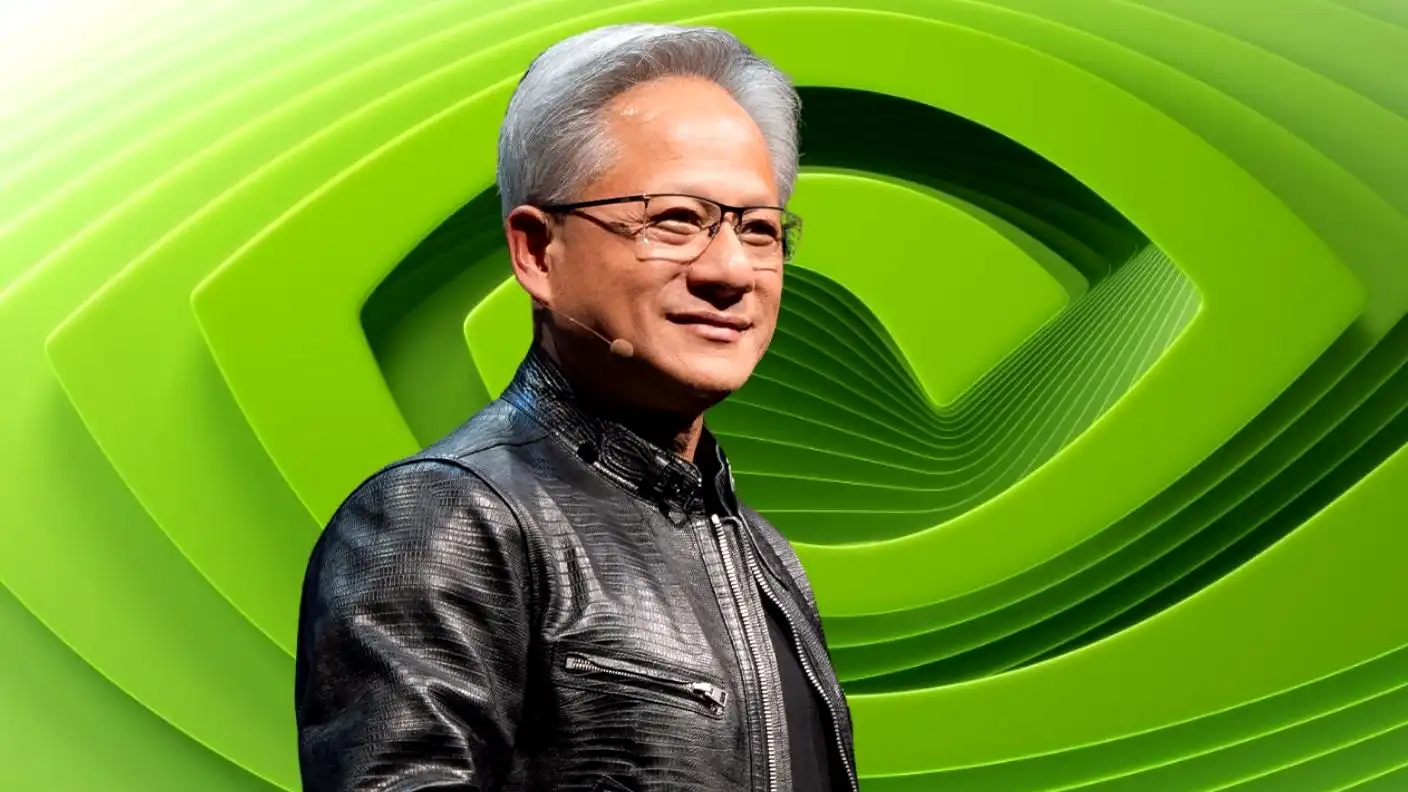
The boundary between virtual entertainment and physical machinery is disappearing as global chipmakers reshape their partnerships for the artificial intelligence era. On Sunday, June 7, 2026, Nvidia Chief Executive Officer Jensen Huang entered the third day of his high-profile, four-day visit to South Korea by holding strategic talks with the country’s leading gaming and robotics innovators. By touring local internet cafes and holding separate, high-level meetings with executive teams in southern Seoul, Huang is demonstrating how Nvidia plans to leverage its dominant gaming hardware footprint to accelerate the deployment of advanced on-device AI and physical robotics.
During his morning tour, Huang visited a popular internet cafe to meet with senior leadership from Krafton, the blockbuster studio behind the global gaming sensation PUBG: Battlegrounds. The high-level meeting included Krafton Executive Director Chang Byung-gyu, Chief AI Officer Lee Kang-wook, and the creative director of the PUBG franchise. By directly engaging with the engineers who manage one of the world’s most popular multiplayer games, Huang is exploring how next-generation silicon can deliver smoother, more intelligent gaming experiences while laying the groundwork for more advanced, on-device computing tools.
A primary focus of the discussions involved the commercial integration of Nvidia’s RTX Spark platform for premium Windows laptops. As global manufacturers invest more than $1 billion to develop advanced, AI-enabled laptop architectures, the RTX Spark platform is a key technological pillar of Nvidia’s consumer strategy. The specialized platform allows thin, portable laptops to process complex generative models locally without relying on an internet connection or incurring expensive cloud hosting fees. This local processing capability ensures total data privacy and near-zero latency, which is essential for both gamers and enterprise professionals.
Beyond software and gaming, Krafton’s recent corporate expansion has created exciting new opportunities for physical AI collaboration. Earlier this year, the gaming giant officially launched an independent robotics subsidiary, Ludo Robotics, to develop artificial intelligence-driven machines. For game developers, building virtual environments to train autonomous agents is a natural transition, as the physics engines used in modern video games can simulate real-world conditions with incredible precision. By partnering with Ludo Robotics, Nvidia can integrate its Jetson robotics processors into experimental designs, accelerating the development of smart, self-learning machines.
Later in the afternoon, Huang shifted his focus to another major pillar of the South Korean gaming industry, holding a separate meeting with NCSOFT Chief Executive Officer Kim Taek-jin. The two executives made a brief, surprise appearance before a massive crowd of gaming fans gathered at a local user event, where Huang drew loud cheers by publicly referencing NCSOFT’s highly anticipated game, Aion 2. Key developers of Aion 2 utilized the user event to present the game’s future development direction and planned updates, highlighting how Nvidia’s advanced graphics technologies can bring hyper-realistic virtual worlds to life.
This direct connection to the local gaming community has remained a central theme throughout Huang’s four-day trip. On the first day of his visit, the Nvidia chief met with members of the world-famous T1 e-sports team, including legendary star player Faker, to discuss how high-refresh-rate displays and advanced GPU architectures can improve competitive gaming performance. By maintaining these close, personal relationships with pro-gamers and developers alike, Nvidia ensures that its hardware designs continue to align directly with the demanding, real-world needs of the global gaming audience.
South Korea is a critical hub for Nvidia’s global supply chain and manufacturing operations. Even a minor 1.5% adjustment in global chip supply chains can delay massive hardware rollouts, making direct corporate alliances in East Asia essential. Local companies produce the vast majority of the world’s high-bandwidth memory (HBM) chips, which are critical for cooling and powering Nvidia’s advanced enterprise processors. By fostering close ties with South Korean technology, gaming, and manufacturing firms, the company is securing its hardware pipeline and protecting its business from international trade volatility.
To build wider industrial connections, Huang has also reached out to the country’s prominent manufacturing and automotive conglomerates. Before his Sunday meetings, the CEO casually dined at a famous Korean noodle restaurant in central Seoul with Hyundai Motor Group Executive Chair Euisun Chung. The relaxed dinner allowed the executives to discuss potential collaborations involving autonomous driving systems, software-defined vehicles, and industrial robotics. This cross-industry dialogue highlights how Nvidia is successfully transitioning its computing platforms from desktop computers into the operating systems of modern transportation.
The industrial collaboration will culminate on Sunday evening when Huang attends a professional baseball game hosted by the Doosan Bears at Jamsil Baseball Stadium in Seoul, where he is scheduled to throw out the ceremonial first pitch. Nvidia has maintained a close partnership with the Doosan Group in the artificial intelligence sector, particularly with its advanced robotics arm, Doosan Robotics Inc. By integrating Nvidia’s Isaac robotics software into Doosan’s automated factory arms, the partners are successfully building highly precise, automated manufacturing systems designed to free human workers from hazardous tasks.
In the end, Jensen Huang’s visit to South Korea highlights a critical transition phase for the global technology sector. By bridging the gap among e-sports culture, high-performance PC hardware, and heavy industrial robotics, the company is proving that the future of artificial intelligence will not live in the cloud alone but will also drive the physical machines that build our world. As the company continues to deploy its RTX Spark laptop chips and partners with pioneers like Krafton and Doosan, its comprehensive compute continuum is transforming how we work, play, and interact with the physical world.