
Key Points:
- The European Union is weighing a temporary freeze on its Russian oil price cap to navigate market disruptions caused by the ongoing war in the Middle East.
- A dynamic mechanism adopted last year automatically resets the cap every six months at 15% below the average market rate for Russian Urals crude.
- Due to soaring oil prices, the upcoming July review would automatically raise the current $ 44.10-per-barrel cap to at least $65 per barrel.
- To prevent Russia from gaining windfall revenues, EU officials are considering options such as freezing the current $44.10 cap or limiting any rise to $60.
The European Union is quietly discussing a temporary freeze on its price cap on Russian oil as the war in the Middle East enters its fourth month. According to people familiar with the matter, the escalating conflict involving Israel, the United States, and Iran has sent shockwaves through global energy markets. This volatility is forcing European policymakers to reconsider their complex sanction rules. If the bloc takes no action, its automated rules will force the oil price cap to rise significantly, handing Moscow a massive financial windfall just as European leaders seek to restrict Russia’s state revenues.
At the heart of the issue is the automatic mechanism that the EU established last year to govern seaborne Russian crude. This policy mandates that the European Commission automatically reset the price cap every six months to keep it at least 15% below the average market rate for Russian Urals crude. The EU implemented the current price threshold of $44.10 per barrel on February 1, 2026, after dropping it from an earlier G-7 baseline of $60. While this system aimed to squeeze Moscow’s export profits systematically, the sudden outbreak of war in the Middle East has completely broken the economic math underpinning the automatic adjustments.
The European Union has scheduled the next mandatory review of the price cap for July 2026. Under normal market conditions, the 15% discount would keep the cap low. However, the conflict in the Middle East and the effective closure of the Strait of Hormuz have sent crude prices soaring worldwide. If EU officials allow the dynamic mechanism to run its course in July, the formula will automatically push the Russian oil price cap up to at least $65 per barrel. This is higher than the original $60 limit set by the Group of Seven when it first introduced the sanctions, creating a direct policy failure for the EU.
To resolve this policy dilemma, European officials are debating several options. The primary proposal involves a temporary freeze that would keep the cap locked at the current rate of $44.10 per barrel. Alternatively, the bloc could suspend the dynamic adjustments entirely until the end of the year, citing the exceptional circumstances in the Middle East. Another option under discussion is to cap any automatic increase at $60 per barrel, aligning it with the historical G7 threshold. Each option aims to stabilize the market while maintaining pressure on Moscow’s energy revenues, which still account for roughly one-third of the Russian government’s total income.
The price cap relies on Western maritime dominance to function effectively. The policy prohibits European companies from providing vital services—such as maritime insurance, financing, and shipping transportation—for cargoes of Russian crude unless buyers purchase the oil below the designated cap. If the cap rises to $65, it will make it far easier for Russia to trade its oil legally using European services, undermining the primary goal of the sanctions. However, keeping the cap artificially low at $44.10 during a global supply crunch could encourage more tankers to join the unregulated shadow fleet, which operates outside Western jurisdictions.
This shadow fleet already presents a massive enforcement challenge for Western regulators. By utilizing older, unflagged vessels and complex offshore transfers, countries like Russia, Iran, and Venezuela routinely bypass international sanctions. The EU has tried to crack down on this parallel shipping network, recently blacklisting over 100 additional tankers, bringing the total number of sanctioned vessels to 444. Despite these efforts, high oil prices make shadow fleet operations highly lucrative. If the EU freezes the cap while global prices remain high, the widened price gap will likely push even more crude into this unregulated grey market.
The debate over freezing the price cap also highlights underlying political divisions within the G7 and the EU. Earlier this year, several European nations pushed to lower the cap to $45, a move that the EU eventually codified. However, the United States, under President Donald Trump, has repeatedly opposed stricter energy sanctions that could drive up fuel prices for everyday consumers. Trump previously told reporters at a G-7 summit in Canada that aggressive sanctions cost Western economies a lot of money. European leaders recognize that a lower or frozen price cap can only succeed if they secure full backing from Washington, making the decision highly delicate.
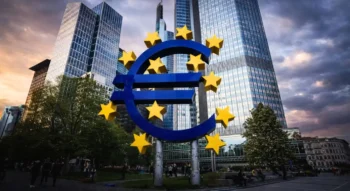
Ultimately, the European Commission faces a difficult balancing act as it prepares for the July deadline. Central bankers, including those at the European Central Bank, have warned that rising energy costs are already threatening to reignite inflation across Europe. If the EU enforces an aggressively low oil cap during a Middle East supply shock, it could trigger further panic in the energy markets, pushing retail fuel prices higher for European households. As diplomats continue their private negotiations in Brussels, the global energy sector will watch closely to see if the EU chooses market stability or geopolitical pressure.