

Key Points:
- The Tesla Model Y became the first battery-electric vehicle to top Australia’s monthly new-car sales charts in May 2026.
- Electric vehicles claimed a record 19.9% share of the overall market with 21,303 total battery-electric deliveries during the month.
- Electrified vehicles, including both conventional and plug-in hybrids, accounted for 46.4% of all new cars sold in May.
- Toyota maintained its top brand ranking despite a 30.7% drop in deliveries, while Chinese competitor BYD secured second place with a 154.6% increase in sales.
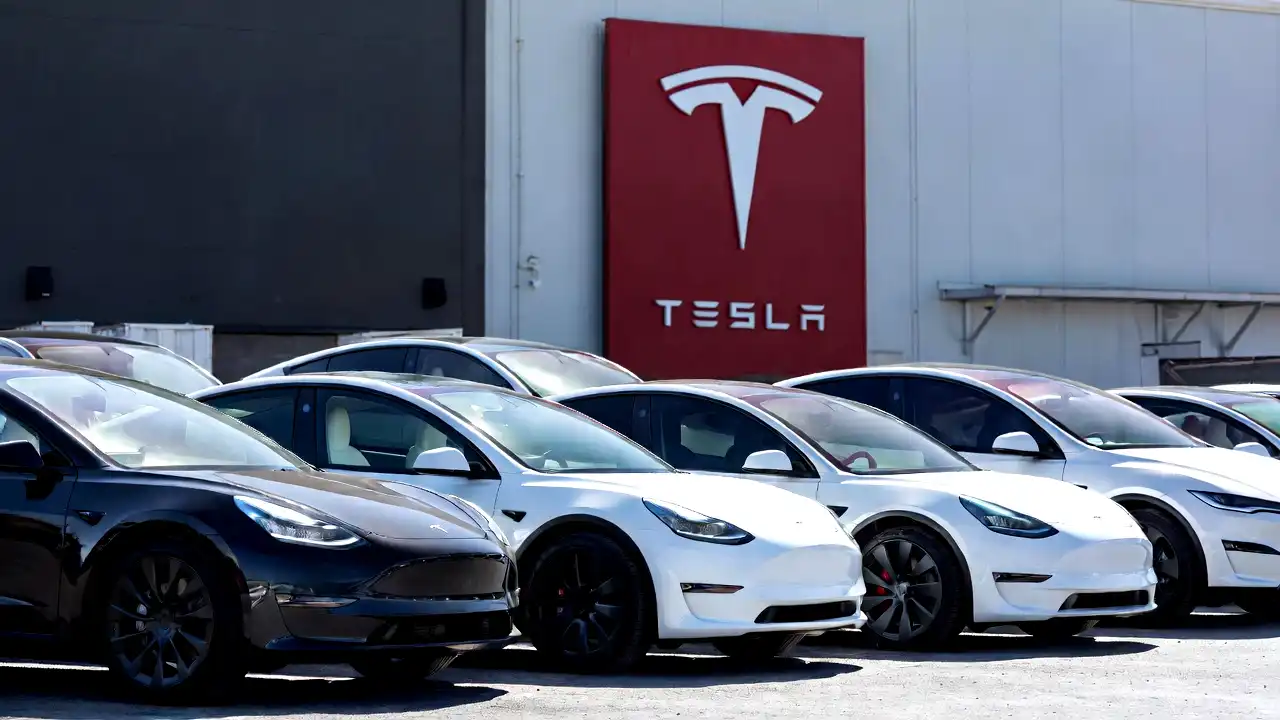
A major shift is transforming the Australian automotive industry as electric cars reach a historic milestone. In May 2026, the Tesla Model Y officially became the first battery-electric vehicle to top the country’s overall monthly new-car sales charts across all fuel types. This historic achievement broke the long-standing dominance of traditional petrol and diesel models such as the Ford Ranger and Toyota HiLux, signaling a significant shift in buyer preferences. High fuel prices and a growing selection of low-emission vehicles are driving Australians to make the switch to battery power in record numbers.
Official sales data from the Federal Chamber of Automotive Industries (FCAI) and the Electric Vehicle Council (EVC) confirmed that Tesla delivered 5,605 Model Y SUVs in May 2026. This impressive tally vaulted the electric crossover ahead of its major combustion-engine rivals. The Ford Ranger logged 4,474 deliveries, while the Toyota HiLux accounted for 4,005 sales. Toyota’s popular RAV4 hybrid SUV followed closely in fourth place with 3,865 registrations. This marked the first time that a vehicle without an exhaust pipe claimed the gold medal in Australia’s highly competitive monthly sales race.
The record-breaking performance of the Model Y capped off a stellar month for the broader electric vehicle market. In May, Australian buyers registered 21,303 full battery-electric vehicles (BEVs), which represents a year-on-year surge of 111.6%. This wave of deliveries secured a record 19.9% market share for pure electric cars, meaning nearly one in every five new vehicles sold in Australia was fully electric. On average, Australian dealerships delivered 687 BEVs every day throughout May, which translates to roughly one electric car driving off a lot every two minutes.
While fully electric vehicles stole the spotlight, hybrid technology also captured a massive portion of the market. Buyers registered 19,024 conventional hybrids and 9,315 plug-in hybrids (PHEVs) in May, with PHEV sales up more than 200% from May 2025. When all battery-electric, conventional hybrid, and plug-in hybrid models are combined, electrified vehicles accounted for 46.4% of all new vehicles sold. Meanwhile, demand for traditional combustion engines continued to slide, with petrol vehicle sales falling by 30.3% and diesel deliveries dropping by 26.2%.
Industry leaders point to a mix of economic pressures and supportive government policies as the primary drivers of this green-vehicle rush. Electric Vehicle Council CEO Julie Delvecchio highlighted that families are turning to electric models to escape highly volatile petrol prices, saving an estimated $3,000 annually in fuel and maintenance costs. Furthermore, the federal government’s Electric Car Discount policy and the newly implemented New Vehicle Efficiency Standard (NVES) have created highly favorable conditions by encouraging automakers to import more affordable electric models.
This surge in clean-vehicle adoption occurred even as the broader new-car market experienced a slight contraction. Total vehicle deliveries for May 2026 reached 106,887 units, representing a modest 2.3% decline compared to May 2025. Despite the slight dip, the result remains the third-highest May sales performance on record for the Australian automotive industry. The Australian automotive industry represents a massive $15 billion market annually, meaning even small shifts in consumer buying habits can disrupt established manufacturing supply chains. Car companies warn, however, that current high interest in electric models may stabilize as manufacturers fulfill backorders, which could bring electric market share back toward 10% of total sales.
Toyota managed to retain its traditional crown as Australia’s top-selling vehicle brand, delivering 16,342 cars in May. However, the Japanese automotive giant suffered a severe 30.7% decline in sales compared to the same month last year. Toyota’s dominant position is facing a massive challenge from Chinese rival BYD, which secured second place overall for the second consecutive month with a record 8,211 deliveries. This represents a staggering 154.6% year-on-year increase for BYD, prompting some industry commentators to label the brand a “Toyota killer” in the rapidly evolving Australasian market.
A massive logistical effort supports BYD’s rapid growth, as highlighted by the recent arrival of a dedicated roll-on/roll-off (RORO) car-carrying vessel docking in Melbourne. The ship carried roughly 5,000 new energy vehicles, most of which local buyers had already purchased before the ship’s arrival. Although some local commentators have raised concerns about the country’s physical charging infrastructure keeping pace with the rapid influx of vehicles, automotive experts remain confident that the growing charging network can comfortably support the transition.
Despite the stellar individual performance of the Model Y, Tesla finished sixth overall among automotive brands in May with 6,433 total deliveries. This represents a 65.1% year-on-year increase for the brand, largely driven by the Model Y’s dominance. The lower overall brand ranking stems from slower deliveries of the refreshed Model 3 sedan, which allowed multi-model competitors like BYD, Ford, Hyundai, and Kia to outpace Tesla in total monthly brand volume. However, the high delivery volumes still represent Tesla’s strongest single-month sales in its history in the Australian market.
The historic sales data from May 2026 marks a permanent turning point for the Australian car market. For decades, highly practical diesel-powered utility vehicles and petrol SUVs ruled the roads. Still, the sudden rise of the Tesla Model Y proves that buyers are ready to embrace a battery-powered future. As charging networks continue to expand and more affordable electric options from major global manufacturers arrive, the transition from traditional fossil fuels to quiet, zero-emission electric powertrains will likely accelerate across the nation.