
Key Points:
- A fresh exchange of military strikes between the U.S. and Iran over the weekend has stalled ceasefire extension hopes, driving global oil prices higher.
- In response to the escalation in the Middle East, Brent crude jumped 1.5%, and West Texas Intermediate rose 2.5% in early Monday trading.
- U.S. stock market futures ticked higher as robust optimism about artificial intelligence helped offset geopolitical tensions.
- Nvidia CEO Jensen Huang officially announced the company’s major expansion into the consumer Windows PC market with an ARM-based processor.
Monday, June 1, 2026, opened on a highly volatile note as global financial markets balanced the positive momentum of artificial intelligence hardware with fresh geopolitical shocks. Wall Street stock futures ticked higher in early morning trading, suggesting a continuation of the previous week’s gains. However, this early-morning optimism had to fight against a sudden escalation in the Middle East. Over the weekend, the United States and Iran traded fresh military strikes, casting major doubt on the extension of their fragile temporary ceasefire and sending energy prices higher across international commodity boards.
The exchange of military strikes has effectively stalled progress on a permanent diplomatic settlement. Diplomats spent the past week exchanging revisions to a draft agreement covering a truce extension and the reopening of the strategic Strait of Hormuz, but concrete progress remained elusive. Tehran continues to demand exclusive authority over vessel transit and unconditional access to its frozen overseas funds. Because the United States is highly unlikely to accept these terms, the geopolitical gridlock has intensified, raising fears of a prolonged blockade in the world’s most vital shipping channel.
This international stalemate has placed immense domestic political pressure on President Donald Trump ahead of November’s congressional elections. Trump took to social media over the weekend to insist that any final agreement must squarely address Iran’s nuclear ambitions. However, his administration faces a tight electoral clock as high retail gasoline and diesel prices continue to hurt American consumers. This reality has created an unequivocal urgency for the White House to secure a diplomatic deal and reopen the Strait of Hormuz to bring down energy costs before voters head to the polls.
The commodity markets reacted immediately to the weekend’s military exchange, with oil prices reversing their recent declines. In early Monday sessions, Brent crude climbed 1.5%, and West Texas Intermediate (WTI) rose 2.5%. Investors had confidently priced in a near-term peaceful resolution to the three-month conflict, but the renewed hostilities shattered that complacency. Economists warn that a prolonged closure or disruption of the Strait of Hormuz will keep inflation elevated, complicating the Federal Reserve’s monetary policy path and potentially keeping interest rates higher for longer.
Aside from geopolitical headlines, traders are closely watching for the release of the U.S. Institute for Supply Management (ISM) manufacturing Purchasing Managers’ Index (PMI) data due later in the day. Analysts expect the ISM data to provide crucial clues about the health of the American industrial sector. If the manufacturing sector continues to expand, it will give the Federal Reserve more leeway to keep interest rates elevated to fight energy-driven inflation. In contrast, a weak print could revive fears of stagflation in an already volatile market.
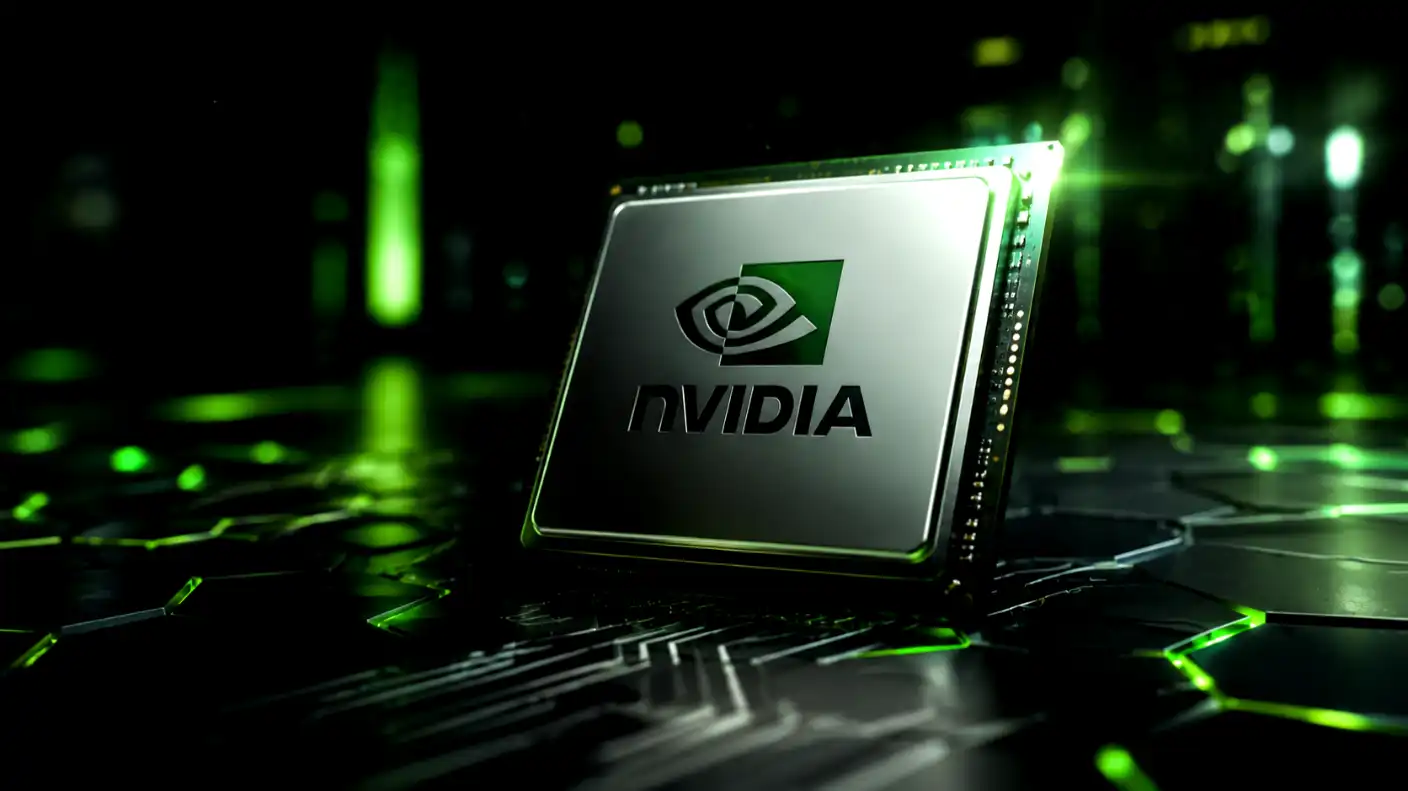
Fortunately for equity investors, a blockbuster technology announcement has provided a powerful cushion for the broader market, and at Computex 2026 in Taipei, Taiwan, Nvidia CEO Jensen Huang’s keynote address officially confirmed the company’s major expansion into the consumer Windows PC market. The Silicon Valley giant has developed a groundbreaking, ARM-based processor designed specifically for Windows laptops. Nvidia partnered with MediaTek on chip design and TSMC on advanced manufacturing, marking a historic milestone as the first Windows PC powered directly by Nvidia’s high-performance silicon.
Speculation surrounding this massive chip partnership has already triggered a major rally across Asian technology stocks, boosting global investor sentiment. During overnight trading, Asia-Pacific equities received a solid bid, sending Japan’s Nikkei 225 and South Korea’s KOSPI index to fresh record highs. The Nikkei added nearly 1%, and the KOSPI jumped by a massive 4%, while related tech partners like LG experienced fresh record highs. This global market action proves that the relentless demand for artificial intelligence hardware is currently strong enough to offset severe geopolitical risks.
Nvidia’s entry into the consumer PC market represents a major structural challenge to traditional x86 processor giants like Intel and AMD. By leveraging ARM’s high-efficiency architecture, Nvidia’s new chips promise to deliver superior battery life and advanced on-device AI processing capabilities for consumer laptops. This transition is accelerating a broader industry shift toward “AI PCs,” where local hardware, rather than cloud-based servers, handles complex machine-learning tasks. This development is fundamentally altering the global semiconductor supply chain and driving immense capital investments.
Ultimately, the opening of the first full trading week of June 2026 highlights the ongoing tug-of-war between technological optimism and geopolitical reality. While the physical disruption of energy markets in the Middle East continues to fuel inflationary pressures, the relentless expansion of the artificial intelligence trade is providing a powerful economic cushion. As the next policy meetings approach, global investors must navigate this complex landscape, proving that surviving in the digital age requires a keen eye on both tech innovation and international border conflicts.