Data centers serve as the backbone of the digital world, housing the infrastructure that powers modern computing and storage needs. This comprehensive guide explores the intricacies, functionality, and significance of data centers in today’s digital landscape.
Understanding Data Centers
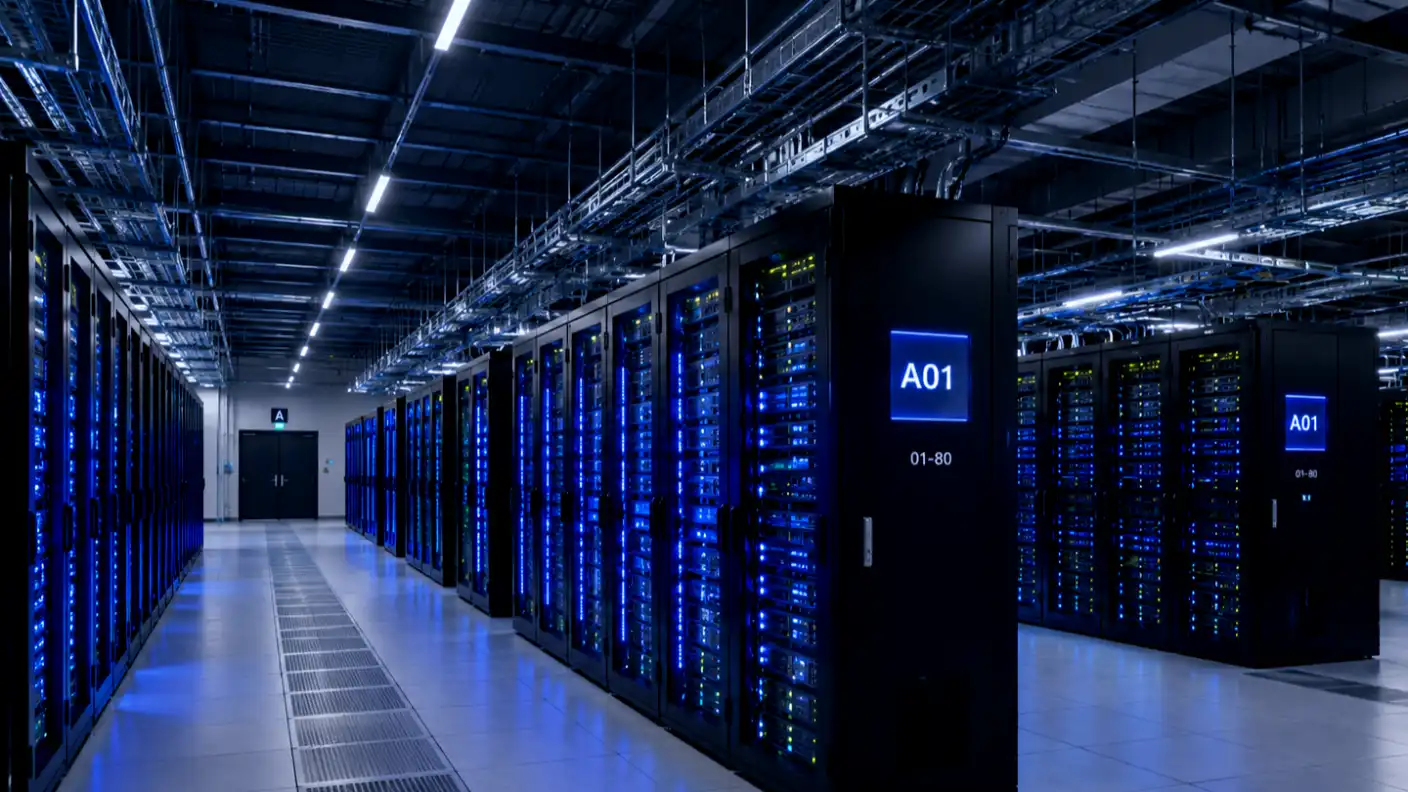
Data centers are specialized facilities that house and manage critical IT infrastructure, including servers, networking equipment, and storage systems. These facilities provide essential services, including data storage, processing, and distribution, supporting a range of digital applications and services.
Components of a Data Center
A typical data center comprises several key components, including servers, networking devices, storage arrays, and cooling systems. These components work together to ensure the reliable operation and optimal performance of IT equipment housed within the facility, facilitating seamless data processing and access.
Types of Data Centers
Data centers come in various forms, catering to different needs and requirements. Enterprise data centers are privately owned and operated by organizations to support their internal IT infrastructure, whereas colocation data centers provide shared facilities for multiple tenants. Cloud data centers provide on-demand computing resources and services over the Internet, supporting cloud-based applications and platforms.
Tier Classification System
Data centers are often classified based on their reliability and availability, known as Tier levels. The Uptime Institute’s Tier classification system ranges from Tier I (basic infrastructure) to Tier IV (fault-tolerant infrastructure). Each Tier level defines a set of standards and design principles to ensure uninterrupted operation and minimize downtime.
Key Functions of Data Centers
Data centers perform various essential functions to support digital operations and services across industries.
Data Storage and Management
One of the primary functions of data centers is to provide secure, scalable storage for vast amounts of digital data. It includes both structured data (e.g., databases and files) and unstructured data (e.g., multimedia content and documents). Data centers employ storage technologies such as hard disk drives (HDDs), solid-state drives (SSDs), and tape systems to meet diverse data storage requirements.
Compute and Processing
Data centers house servers and computing resources that enable data processing and computational tasks. These servers run applications, process user requests, and execute complex algorithms to analyze data and generate insights. High-performance computing (HPC) clusters and graphics processing units (GPUs) are commonly used in data centers to accelerate processing tasks, such as scientific simulations, machine learning, and rendering.
Networking and Connectivity
Networking infrastructure is essential for connecting servers, storage devices, and other components within a data center and facilitating external communication with clients, users, and other data centers. Data centers deploy high-speed network switches, routers, and fiber-optic cabling to ensure low-latency, high-bandwidth connectivity, enabling fast data transfer and seamless access to digital services.
Design and Infrastructure
The design and infrastructure of data centers play a crucial role in ensuring reliability, efficiency, and scalability.
Power and Cooling Systems
Data centers require substantial power to operate servers, cooling equipment, and other infrastructure. Power distribution units (PDUs), uninterruptible power supplies (UPS), and backup generators provide a reliable power supply, while precision cooling systems, such as air-conditioning units and liquid-cooling solutions, maintain optimal temperature and humidity to prevent equipment overheating.
Redundancy and Resilience
Data centers incorporate redundancy and resilience into their design to minimize downtime risk and ensure continuous operation. It includes redundant power supplies, network connections, cooling systems, backup systems, and failover mechanisms that automatically switch to alternative resources in case of hardware failures or disruptions.
Security and Access Controls
Data centers implement robust security measures to protect sensitive information and prevent unauthorized access or breaches. Physical security features, such as access control systems, surveillance cameras, and biometric authentication, restrict entry to authorized personnel only. Cybersecurity measures, including firewalls, intrusion detection systems, and encryption protocols, safeguard data from external threats and cyberattacks.
Environmental Considerations
Data centers have a significant environmental footprint, prompting efforts to improve energy efficiency and sustainability.
Energy Efficiency Measures
Efforts to reduce energy consumption and carbon emissions in data centers include using energy-efficient hardware, such as low-power servers and energy-efficient cooling systems. Virtualization technologies, server consolidation, and workload optimization help maximize resource utilization and minimize idle capacity, thereby improving energy efficiency and reducing costs.
Renewable Energy Integration
Many data centers are adopting renewable energy sources, such as solar, wind, and hydroelectric power, to reduce reliance on fossil fuels and mitigate environmental impact. Renewable energy initiatives, such as power purchase agreements (PPAs) and on-site solar installations, enable data centers to power their operations with clean, sustainable energy, contributing to overall environmental sustainability.
Waste Management and Recycling
Data centers generate electronic waste (e-waste) from obsolete or decommissioned equipment, which requires proper disposal and recycling. Recycling initiatives for servers, networking equipment, and other hardware components help minimize landfill waste and recover valuable materials for reuse or repurposing. Responsible e-waste management practices help ensure that data centers operate in an environmentally responsible manner.
Future Trends and Innovations
Emerging technologies and evolving industry trends shape the future of data centers.
Edge Computing
Edge computing brings data processing closer to the point of data generation, reducing latency and improving responsiveness for real-time applications. Edge data centers located closer to end users or IoT devices enable faster data processing, lower bandwidth usage, and support emerging technologies such as autonomous vehicles, augmented reality, and smart cities.
Artificial Intelligence (AI) Integration
Artificial Intelligence (AI) and machine learning (ML) are increasingly integrated into data center operations to optimize resource allocation, predict equipment failures, and automate routine tasks. AI-powered analytics and predictive maintenance enable data center operators to improve efficiency, enhance performance, and anticipate future infrastructure needs.
Quantum Computing
Quantum computing has the potential to revolutionize data processing and computation, enabling the solution of complex problems that are currently infeasible for classical computers. While still in early development, quantum computing technologies have the potential to unlock new capabilities in data analysis, cryptography, and scientific research, leading to transformative advances in data centers.
Conclusion
Data centers are critical in supporting the digital infrastructure that underpins modern society. From storing and processing data to facilitating communication and innovation, data centers are essential to the digital economy and to driving technological progress. As data centers evolve to meet emerging technologies and environmental challenges, they will remain at the forefront of shaping the digital future, driving efficiency, sustainability, and innovation across the global IT landscape.