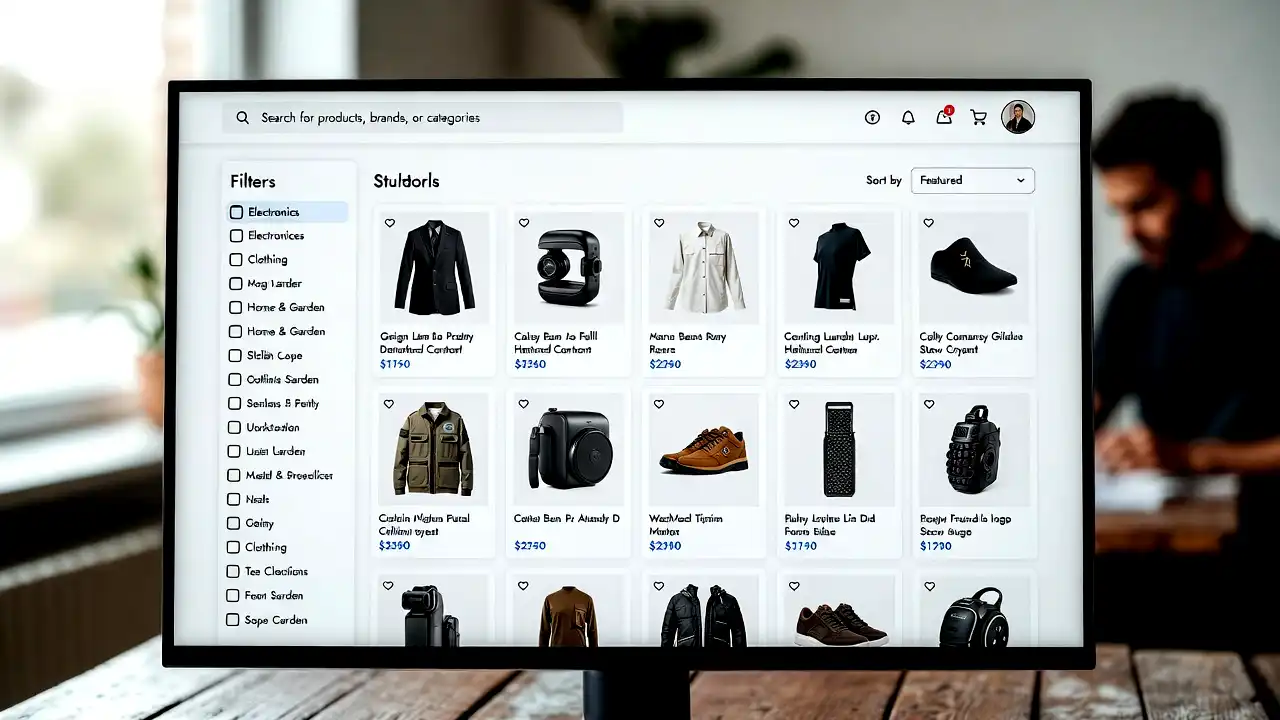
The COVID-19 pandemic pulled forward years of e-commerce growth into a single year. It was a massive boom for online retailers. However, growth has now slowed, and the landscape is shifting. The future of e-commerce is not just about selling things online; it’s about integrating digital and physical shopping, personalizing the experience with AI, and creating new, profitable business models.
The Hybrid Shopper
The new reality is that consumers no longer shop exclusively online or in-store; they do both. They might browse online and then use the “buy online, pick up in-store” (BOPIS) option. They might use their phone in a physical store to compare prices or look up reviews. The retailers that are winning are the “omnichannel” players, such as Target and Walmart, who have successfully blended their physical stores with a seamless digital experience.
AI-Powered Personalization
Artificial intelligence is transforming the e-commerce experience. AI algorithms can analyze a shopper’s browsing history and purchase data to provide highly personalized product recommendations. AI-powered chatbots can provide instant customer service. Generative AI can even assist in creating product descriptions and marketing copy. This level of personalization enhances the shopping experience for consumers and increases profitability for retailers.
The Rise of Social Commerce
The line between social media and shopping is disappearing. Platforms like Instagram and TikTok are now powerful e-commerce engines. Users can discover a product in a video and purchase it with a few taps, all without ever leaving the app. This “social commerce” trend presents a significant opportunity for brands to connect with younger consumers where they spend their time.
Profitability Over Growth
Just like in the SaaS world, the focus in e-commerce has shifted from “growth at any cost” to profitable growth. For years, companies like Amazon (AMZN) could reinvest all their profits back into growth. Now, investors want to see strong profit margins and free cash flow. This has been a challenge for many pure-play e-commerce companies that face high shipping and marketing costs.
Key Players to Watch
Amazon is still the king of e-commerce, but its growth is maturing. Shopify (SHOP) provides the essential tools for millions of small and medium-sized businesses to build their own online stores, making it a key player in the democratization of e-commerce. Don’t forget the omnichannel giants like Walmart (WMT) and Target (TGT), whose investments in e-commerce are paying off in a big way.
Conclusion
The e-commerce gold rush of the pandemic is over, but the industry’s evolution is just beginning. The future belongs to the companies that can provide a seamless omnichannel experience, leverage AI for personalization, and build a profitable business model. For investors, the focus should be on these durable, adaptable players rather than the high-growth, cash-burning startups of the past.