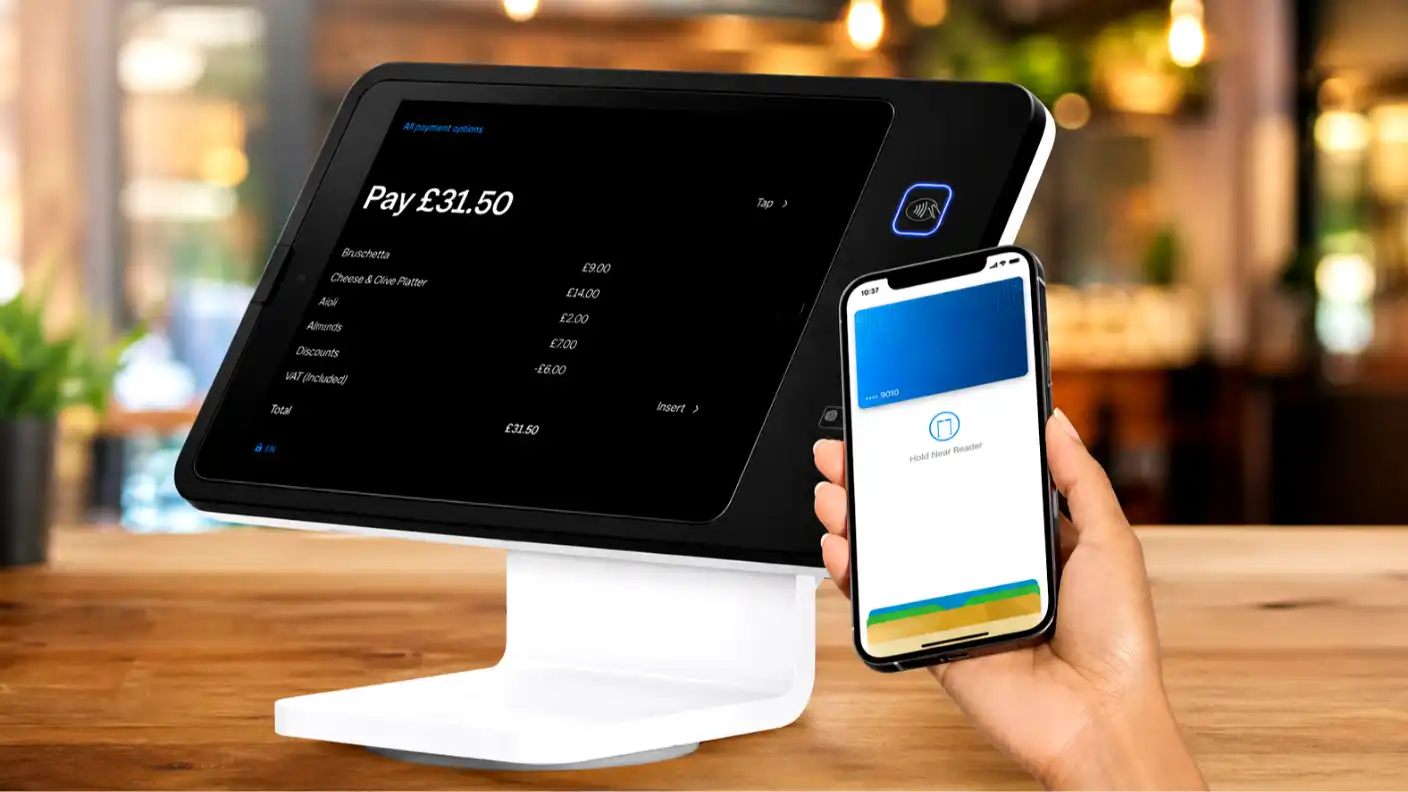
For the better part of a century, the global banking system has been a monument to stability, an institution defined by its imposing physical branches, its methodical, paper-based processes, and a rhythm of change best measured in decades. It was a world built on a one-way relationship: the bank held the money, set the terms, and customers came to them. This monolithic structure, while dependable, was a product of an analog era. As we surge past the midpoint of the decade, that world is not just being challenged; it is being systematically and irrevocably reshaped at its very foundations. The force driving this change is the relentless, hyper-accelerated evolution of digital payments.
Digital payments will no longer be a simple alternative to cash or checks; they will have become the primary channel through which consumers and businesses experience finance. This is not merely a story of new apps and faster transfers. It is a fundamental architectural shift, a transition from a closed, product-centric system to an open, customer-centric ecosystem where financial services are instantaneous, intelligent, and invisibly embedded into the fabric of our daily digital lives. This revolution, powered by a confluence of APIs, AI, and cloud computing, is unbundling the traditional bank, forcing a radical re-evaluation of its role and value proposition. This definitive guide will explore the systemic shockwaves of the digital payments revolution, dissect the new competitive landscape, and provide a strategic roadmap for navigating the profoundly different banking landscape.
The Old Guard: Why Traditional Banking Was a Fortress Ready to Fall
To appreciate the sheer velocity of the digital payments tsunami, we must first survey the landscape it is reshaping. The traditional banking system of the 20th century was a fortress, built to project an image of security and permanence. But within its thick walls lay deep-seated inefficiencies and a cultural disconnect from the modern digital consumer, making it a fortress ripe for a siege by more agile and customer-focused innovators.
The Friction-Filled Legacy: A System Built on Slowness and Opacity
The core processes of traditional banking were designed for a world without the internet. They were characterized by manual interventions, paper-based processes, and batch-based processing, resulting in a user experience that was often slow, cumbersome, and frustrating.
These inherent frictions were not just minor inconveniences; they represented billions of dollars in trapped capital and wasted time. They were the glaring vulnerabilities that early fintech innovators targeted with surgical precision.
- The Tyranny of “Banker’s Hours”: The need for in-person visits to a branch to perform basic tasks like opening an account or applying for a loan was a significant bottleneck, completely out of step with a 24/7 digital world.
- The Agony of Slow Payments: The reliance on legacy systems like ACH (Automated Clearing House) and correspondent banking networks meant that domestic payments could take 1-3 business days to settle, while international wire transfers could take 3-5 days or more, a pace that is anathema to a real-time global economy.
- Opaque and Punitive Fee Structures: The business model of many banks relied heavily on a complex web of fees—from overdraft charges to monthly maintenance fees and exorbitant foreign exchange spreads—that were often poorly understood by customers until it was too late.
A Product-Centric, Not Customer-Centric, World
For decades, banks were organized around their internal product silos: the checking account department, the mortgage department, the credit card department. This internal structure was projected onto the customer, who was forced to navigate a fragmented and disconnected experience.
The customer was expected to adapt to the bank’s structure, not the other way around. This created a massive opportunity for new players who put the customer experience (CX) at the absolute center of their design philosophy.
- Fragmented Customer View: Customer data was often trapped within these product silos, leaving the mortgage department without visibility into the customer’s long-standing relationship with the checking department, resulting in impersonal, inefficient interactions.
- One-Size-Fits-All Products: Designed for the mass market, with little to no personalization. The customer’s unique financial situation and goals were rarely factored into the products they were offered.
- High-Friction Onboarding: The process of opening a new account or applying for a new product was often a grueling, paper-intensive ordeal, representing a high barrier to entry and a poor first impression.
The Great Wall of Financial Exclusion
Perhaps the most significant systemic failure of the traditional model was its inability to serve the entire population profitably. The high overhead costs of physical branches and the reliance on traditional credit scoring models created a “great wall” that excluded billions of people from the formal financial system.
This left a vast, underserved global market and exacerbated societal inequality. The low-cost, digital-first model of fintech became a powerful force for breaking down this wall.
- The Unbanked and Underbanked: The high costs of servicing low-balance accounts made them unprofitable for traditional banks, leaving a huge segment of the population without access to basic financial tools for saving, sending money, or building credit.
- The “Credit Invisible” Population: The reliance on traditional credit bureau data (like past loan performance) meant that millions of people without a formal credit history—including young people, immigrants, and those in the informal economy—were deemed “unscorable” and locked out of the credit system, even if they were otherwise financially responsible.
The Digital Tsunami: Core Technologies Driving the Payments Revolution
The reshaping of banking is not the result of a single invention but a powerful convergence of several foundational technologies that have reached a critical stage of maturity and scale. These are not niche tools but the interconnected, underlying infrastructure of the new financial operating system.
The Ubiquitous Smartphone: The Gateway in Every Pocket
The single most important piece of hardware enabling this revolution is the smartphone. It has become the primary digital interface for billions of people. This secure, sensor-rich, always-connected device can serve as a bank branch, a payment terminal, and a financial advisor, all in the palm of a hand.
The smartphone has democratized access to digital financial services worldwide. It is the personal, portable foundation upon which the entire digital payments ecosystem is built.
- Biometric Security: Integrating fingerprint and facial recognition into smartphones provides a secure, user-friendly way to authenticate payments and access financial apps.
- NFC and QR Codes: Near Field Communication (NFC) technology powers the “tap-to-pay” functionality of digital wallets. In contrast, QR codes have become a dominant, low-cost method for initiating payments in many emerging markets.
The API Economy and the Dawn of Open Banking
If the smartphone is the user interface, then Application Programming Interfaces (APIs) are the invisible plumbing that connects the entire ecosystem. An API is a set of rules and protocols that allows different software applications to communicate with each other. The rise of “Open Banking” is a regulatory-driven movement that uses APIs to force traditional banks to share customer data (with the customer’s consent) with authorized third-party fintech companies.
This has shattered the banks’ monopoly on customer data and transformed them from closed fortresses into open platforms for innovation. APIs are the catalyst for a Cambrian explosion of new financial services.
- How it Works: Open Banking enables a user to securely link their bank account to a third-party budgeting app, lending platform, or wealth management service. The app can then “read” the user’s transaction data to provide insights or “initiate” payments on their behalf.
- The Impact: This has enabled fintech startups to build innovative services on top of existing, regulated bank infrastructure, creating a more competitive, customer-centric market.
AI and Machine Learning: The Brains Behind the Operation
Artificial Intelligence is the intelligence layer of the new financial system. It ingests the vast streams of data flowing through the digital payments ecosystem and turns it into actionable insights, personalized experiences, and sophisticated risk management.
AI is what makes digital finance not just faster, but smarter. It will be the core engine for personalization, fraud detection, and inclusive credit scoring.
- Hyper-Personalization: AI algorithms analyze a user’s spending patterns in real-time to offer personalized budget advice, tailored product recommendations (like a better credit card for their spending habits), and automated savings tools.
- Real-Time Fraud Detection: Machine learning models can analyze thousands of data points for each transaction—location, time, device, purchase amount—to instantly spot anomalous patterns and block fraudulent payments before they occur.
- Alternative Credit Scoring: AI can analyze thousands of non-traditional data points (like rent payments, utility bills, and even mobile phone top-up history) to create more accurate and inclusive credit scores, unlocking access to credit for the “credit invisible.”
The New Payments Landscape: A Multi-Front Assault on Tradition
Armed with these technologies, a new generation of payment solutions has emerged, fundamentally altering consumer behavior and business processes. These are no longer niche alternatives; they are the new mainstream, putting immense pressure on every aspect of the traditional banking model.
The Rise of the Digital Wallet: The New Financial Hub
The digital wallet (like Apple Pay, Google Pay, Samsung Pay, and super-apps like Alipay and WeChat Pay) has evolved far beyond a simple “tap-to-pay” convenience. It has become the primary consumer interface for managing their financial lives.
It is the “front door” to the digital economy, and the battle to be the default wallet is fierce. The wallet is the hub from which many other financial services are now being offered.
- From Payment to Platform: Digital wallets now integrate peer-to-peer (P2P) payments, loyalty programs, transit passes, event tickets, and even digital identity credentials.
- The Point-of-Sale Revolution: The seamless “tap-to-pay” experience has dramatically reduced the reliance on physical cash and plastic cards, setting a new standard for in-person transaction convenience.
Real-Time Payments (RTP): The End of the Waiting Game
One of the most profound infrastructural shifts has been the global rollout of real-time payment networks. These are new national payment rails that enable instant, 24/7/365 settlement of funds between bank accounts.
RTP networks are making the 1-3 day settlement time of legacy systems obsolete. They are the new standard for everything from P2P transfers to business payroll and insurance payouts.
- Global Momentum: This is a global phenomenon, with successful networks like UPI in India, Pix in Brazil, and the new FedNow service in the United States all coming online.
- Use Cases: A gig economy worker can now be paid the instant a job is completed. A business can pay a supplier, and the funds are available immediately. An insurance company can pay out a claim in seconds after it is approved. This unlocks cash flow and eliminates settlement risk.
Buy Now, Pay Later (BNPL): The Unbundling of Credit
The Buy Now, Pay Later model, popularized by fintechs like Klarna, Afterpay, and Affirm, has exploded in popularity, particularly with younger consumers. It offers a simple, transparent alternative to traditional credit cards by allowing shoppers to split the cost of a purchase into a small number of interest-free installments at the point of sale.
BNPL represents a direct assault on the lucrative credit card market, one of the main profit centers for traditional banks. It has fundamentally changed consumer expectations around point-of-sale credit.
- The Appeal: BNPL is popular for its transparency (no revolving debt or compound interest), ease of use (it’s integrated directly into the checkout process), and often higher approval rates, powered by AI-powered, real-time risk assessments for each transaction.
- The Bank Response: Traditional banks and credit card networks are now scrambling to launch their own “post-transaction installment” features to compete with the BNPL disruptors.
The Cross-Border Revolution: Challenging the SWIFT Monopoly
The traditional system for international payments, which relies on the SWIFT messaging network and a chain of correspondent banks, is notoriously slow, expensive, and opaque. This critical piece of global financial plumbing is now facing a two-pronged disruption.
This is a battle to create a new set of rails for a truly global, real-time economy. The potential cost savings for businesses that engage in international trade are enormous.
- The Fintech Rails: Companies like Wise (formerly TransferWise) and Remitly have built their own global payment networks that cleverly bypass the correspondent banking system, offering significantly cheaper and faster international money transfers for consumers and small businesses.
- The Blockchain Rails: For B2B transactions, blockchain technology, particularly the use of US Dollar-backed stablecoins, is emerging as a powerful alternative. A company can send a multi-million-dollar payment to a supplier on the other side of the world in minutes, for a fraction of a cent in fees, with a fully transparent, auditable record of the transaction.
Reshaping the Bank Itself: From Monolith to Modular Ecosystem
The seismic shifts in the payments landscape are forcing traditional banks to undergo a painful but necessary identity crisis. The old, vertically integrated model, in which a bank controlled every aspect of the financial product — from manufacturing to distribution —is no longer viable.
The bank must evolve from a closed monolith into an open, modular ecosystem player. Survival depends on embracing a new role in the unbundled financial world.
The Emergence of Banking as a Service (BaaS)
This is one of the most important structural shifts in the industry. Banking as a Service (BaaS) is a model in which banks use APIs to offer their core, regulated financial services (such as FDIC-insured accounts, payment processing, and compliance) as a “white-label” product that other companies can build on.
BaaS is turning the bank into an invisible, wholesale infrastructure provider. It is the engine behind the “embedded finance” revolution.
- The BaaS Model: A fintech company or even a non-financial brand can partner with a BaaS provider bank to quickly launch its own branded debit card or lending product, without going through the incredibly long and expensive process of becoming a regulated bank.
- A New Revenue Stream for Banks: For smaller and mid-sized banks, BaaS offers a powerful new revenue stream, allowing them to monetize their charter and infrastructure by serving a national or global base of fintech clients.
The Battle for the Customer Relationship: Neo-banks vs. Incumbents
The ultimate prize in the new financial world is the primary customer relationship. This is a battle between digital-native “neo-banks” and traditional incumbents.
This is a fight between the user experience and brand trust of the disruptors versus the scale and existing customer base of the incumbents. The winner will be the one who can best solve the customer’s financial problems.
- The Neo-bank Advantage: Challenger banks like Chime and Revolut have acquired millions of customers by offering a superior, mobile-first user experience, a transparent, straightforward fee structure, and innovative features such as early wage access.
- The Incumbent’s Defense: Traditional banks are responding by investing billions in their own digital transformations, launching digital-only brands, and leveraging their most powerful asset: the trust they have built with customers over decades. They are also increasingly partnering with fintechs to integrate best-in-class features into their own apps.
The Macro-Economic Shift: The Invisible Bank and the Inclusive Economy
The changes driven by digital payments are not confined to the financial sector. They are having a profound impact on the broader economy, enabling new business models, fostering greater financial inclusion, and even altering the nature of money itself.
Embedded Finance: Every Company is a Fintech Company
This is the ultimate consequence of the BaaS and API revolution. Embedded Finance is the seamless integration of financial services into the native experience of non-financial companies.
This trend is making finance a contextual, invisible background utility. The best financial product is the one you don’t even realize you’re using.
- Embedded Payments: This is the most common form. Think of Uber, where the payment happens automatically in the background at the end of your ride.
- Embedded Lending: Think of Shopify, which offers its merchants a cash advance (Shopify Capital) based on their sales history, with the loan being automatically repaid as a percentage of future sales.
- The Impact: This means that in the future, the primary provider of a financial service may not be a bank, but the consumer or business brand that the customer already trusts and interacts with daily.
A New Era of Financial Inclusion
Digital payments are the single most powerful tool we have for tackling the global challenge of financial exclusion. The low cost of delivering services via a mobile phone is breaking down the barriers that have locked billions out of the formal economy.
The smartphone is becoming a gateway to economic empowerment on an unprecedented scale. This is a generational opportunity to create a more equitable global economy.
- The On-ramp to the System: A simple digital wallet can be the first step for an unbanked individual to start saving, building a transaction history, and eventually accessing other services like credit and insurance.
- Empowering Small Businesses: Digital payment acceptance allows small merchants in emerging markets to access a wider customer base, formalize their sales, and build the digital footprint needed to qualify for a business loan.
The Geopolitics of Digital Currency: The CBDC Question
The rise of private digital payment networks and currencies has spurred governments and central banks into action. They are now actively exploring and developing their own Central Bank Digital Currencies (CBDCs).
This is a state-led effort to modernize the monetary system and retain sovereign control in a digital world. It sets the stage for a new competitive dynamic between public and private money.
- What is a CBDC: A CBDC is a digital form of a country’s fiat currency that is a direct liability of the central bank. It would be a digital equivalent to cash.
- The Motivations: Governments are motivated by the potential for CBDCs to make payment systems more efficient, to improve the implementation of monetary policy, and to compete with the influence of private stablecoins or the digital currencies of other nations (like China’s digital Yuan).
Conclusion
This is not an endpoint, but a critical milestone in a profound and ongoing transformation. The siege of the traditional banking fortress by the forces of digital payments is largely complete. The walls have been breached, and a new, open, and intelligent financial ecosystem is replacing the old, closed system. A dynamic, real-time conversation between providers and users has replaced the one-way monologue of the past.
The future of banking is no longer about the physical location of a branch, but about the quality of the digital experience. It is not about selling siloed products, but about providing embedded, contextual solutions at the moment of need. The banks that will survive and thrive in this new world will be those that embrace this reality. They will be the ones that transform themselves from gatekeepers into enablers, from product manufacturers into platform orchestrators, and from slow-moving fortresses into agile, data-driven partners in their customers’ financial lives. The payment has become invisible; the bank must now learn to be indispensable.