Key Points
- Oil prices rose after a major pipeline in the Black Sea was damaged, halting some Kazakh crude exports.
- The damage is linked to an increase in Ukrainian attacks on Russian oil infrastructure.
- Growing tensions with Venezuela, including a potential U.S. military response, are also pushing prices higher.
- OPEC+ has already planned to stop increasing production to deal with the expected oversupply.
Oil prices rose on Monday after a key pipeline shipping crude from Kazakhstan to Russia’s Black Sea coast was damaged, halting some exports. The disruption, combined with new geopolitical fears surrounding Venezuela, is temporarily overriding broader concerns about a global oil glut.
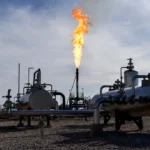
West Texas Intermediate crude, the U.S. benchmark, settled above $59 a barrel. The price jump followed news that the Caspian Pipeline Consortium (CPC) had to stop loading at one of its moorings after it was severely damaged in an explosion. This pipeline is a major artery for global oil, carrying around 1.6 million barrels a day. The incident occurred amid a series of Ukrainian attacks on Russian oil infrastructure over the weekend.
Adding to the market’s jitters, traders are closely watching potential U.S. military action in Venezuela. President Trump warned over the weekend that the country’s airspace should be considered closed, and the White House was reportedly meeting on Monday to plan its next steps. This raises the risk of another supply disruption in a key oil-producing nation.
This price spike comes at an odd time for the oil market, which is widely expected to face a significant oversupply next year. The outlook is so bearish that the OPEC+ group, led by Saudi Arabia, has already agreed to halt production increases in early 2025 to prevent a price crash.
Many large, computer-driven trading funds are also betting heavily that prices will fall. For now, however, the immediate fear of supply disruptions from the Black Sea and Venezuela is winning the day.