Key Points
- Google and Apple advised visa-holding employees to stop international travel.
- Embassy visa-stamping delays have reached up to 12 months. New social media screening rules have slowed down the H-1B process.
- The Trump administration added a $100,000 fee for new H-1B applications.
- Workers risk being stranded outside the U.S. if they leave.
Google and Apple are telling their employees on U.S. work visas to stay in the country for now. Internal memos from both tech giants warn that traveling abroad is currently very risky. The main concern is that workers may be stuck abroad for an extended period due to significant delays at U.S. embassies and consulates.
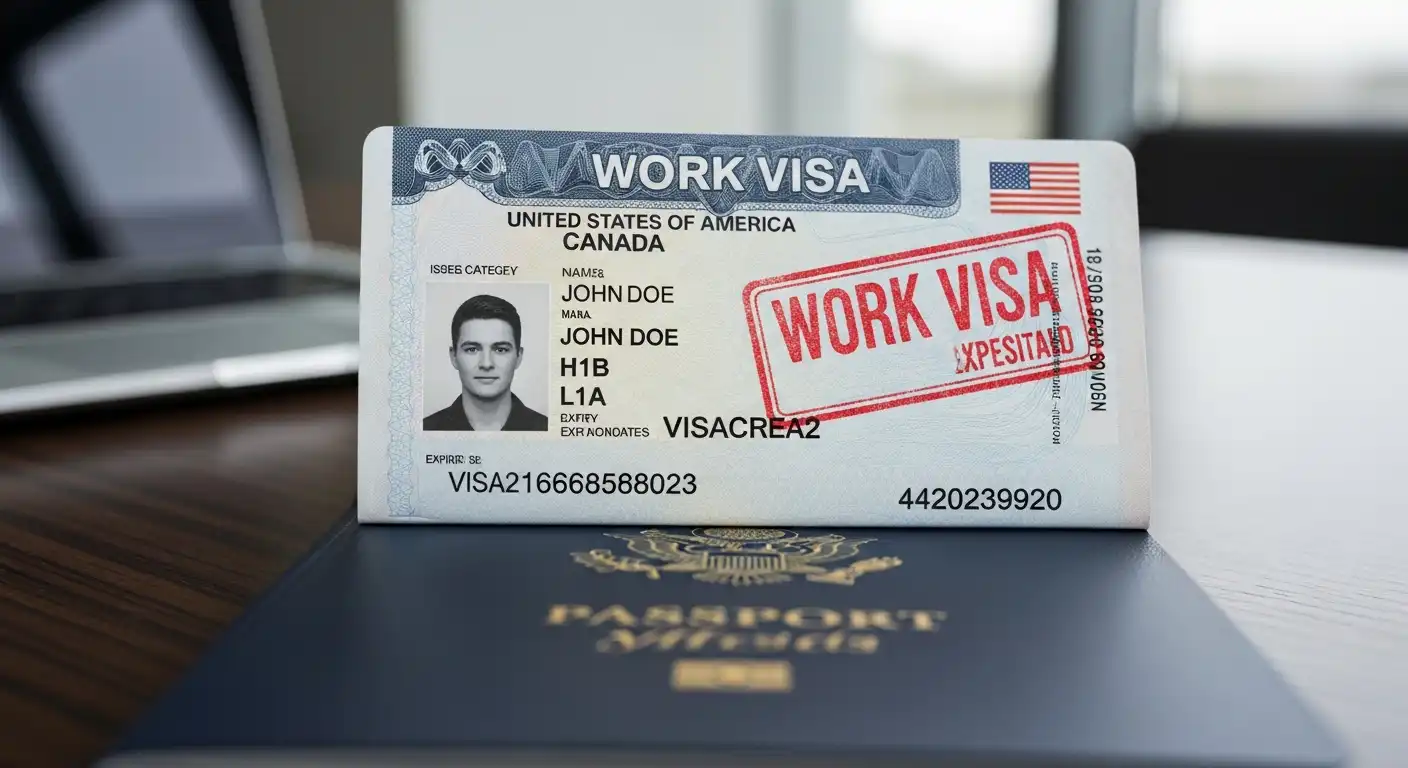
The problem centers on the visa stamping process. In some locations, the wait time for a visa appointment has stretched to 12 months. If an employee leaves the U.S. and cannot get their visa stamped, they cannot legally return to work. To avoid this, companies are urging staff on H-1B, H-4, and various student visas to cancel any international trips.
New government policies are a big reason for these long waits. The Trump administration recently introduced tougher screening rules for highly skilled workers. Officials must now review applicants’ social media accounts for H-1B visas. This additional vetting process is time-consuming and has created a significant backlog at embassies worldwide.
Additionally, the government now charges a $100,000 fee for new H-1B applications, which has already changed how tech companies hire from abroad.
Law firms representing these companies say the risk is real. Even a short trip to visit family in India or China could turn into a year-long wait if an appointment is rescheduled. Google issued a similar warning in September, but the situation has become more urgent with the new social media checks.
For thousands of software engineers and researchers, this means staying put in the U.S. indefinitely. While the tech industry relies heavily on talent from around the world, current travel and immigration hurdles are making it harder for those workers to move freely.
For now, the safest bet for these employees is to keep their passports in the drawer and stay in the United States.