Key Points
- Singapore’s factory output grew 14.3% in November. Pharmaceutical production more than doubled to avoid potential US tariffs.
- The AI boom caused server and electronics production to jump nearly 88%.
- Aviation maintenance and shipyards also saw significant growth.
- Analysts worry growth might slow down once “front-loading” ends.
Singapore’s factories are staying busy. In November, the country’s manufacturing output rose for the third consecutive month. While the 14.3% increase was slightly slower than the massive jump we saw in October, it still indicates that the local economy is holding up well.
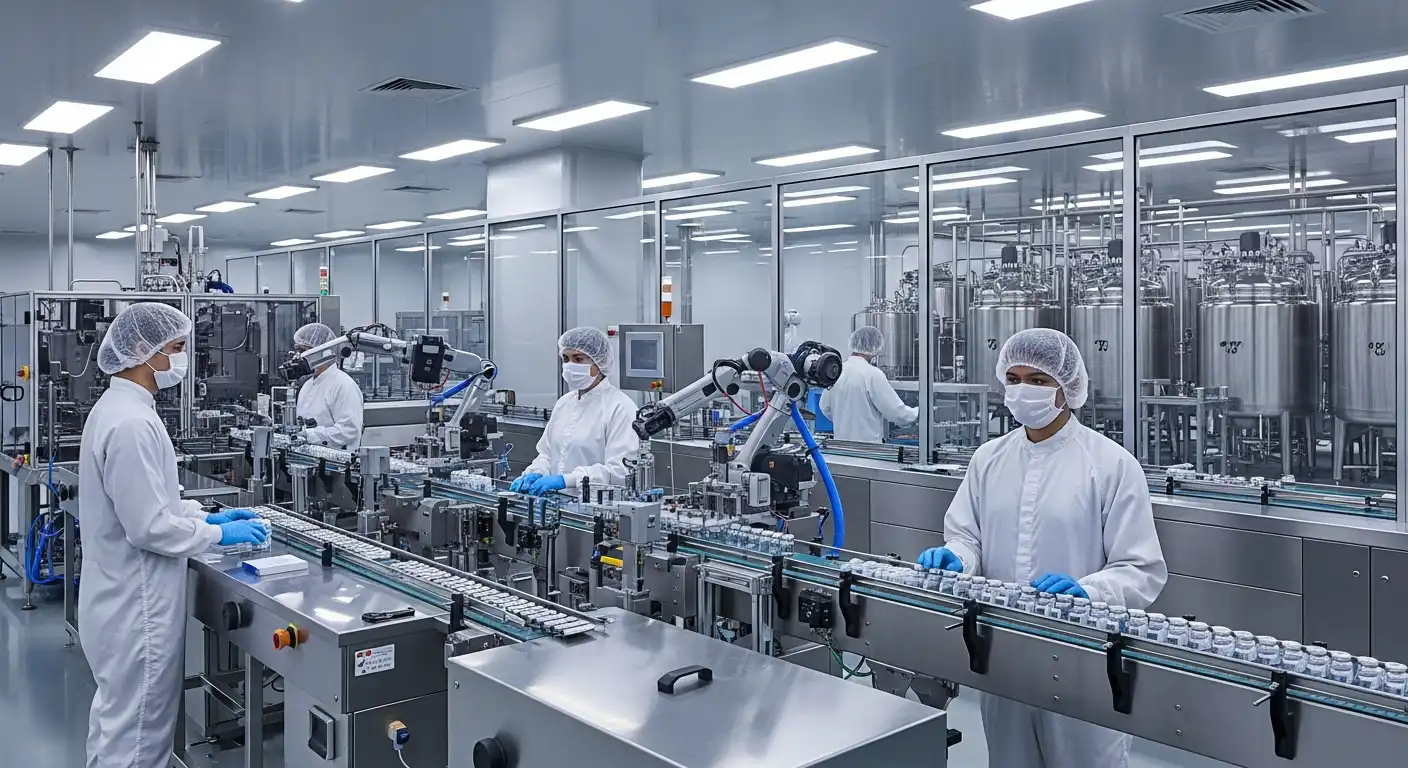
The primary driver of this growth was the pharmaceutical industry. Production in this sector surged by a staggering 124.3%. Experts believe companies are working overtime to ship medicines out of the country as fast as possible. They want to get their products into the United States before the Trump administration imposes new tariffs. This “front-loading” strategy helps businesses avoid paying additional taxes that may arise in the coming months.
Electronics also played a major role in the boom. Output in this sector rose nearly 9%, largely driven by the ongoing artificial intelligence boom. Factories produced 87.7% more servers and related tech products compared to last year.
As companies worldwide build their AI data centers, they need the specific hardware that Singapore provides. Semiconductor production grew as well, though at a more modest 4.9%.
It wasn’t just tech and medicine, though. Transport engineering increased by more than 24%, driven primarily by airlines’ increased spending on aircraft repair and maintenance. Shipyards also saw more action. However, not every industry had a good month. Both manufacturing and printing declined, and the computer storage segment dropped significantly.
While these numbers look strong on paper, economists are somewhat concerned about 2026. If current growth is simply a result of companies rushing to beat tariffs, it might slow once the new trade rules take effect.
For now, the combination of the AI boom and the rush to export is keeping Singapore’s factory floors crowded. As long as global demand for chips and medicines remains high, the city-state should continue to see solid results, even if the road ahead looks somewhat uncertain.