Key Points
- Scientists have engineered grasses, including corn, to act as living biosensors.
- The plants turn purple when they are exposed to specific chemicals. This allows farmers to detect pollution or pesticide drift visually.
- Advanced imaging can detect even subtle color changes from a distance.
- This is the first time this technology has been successfully applied to grain crops.
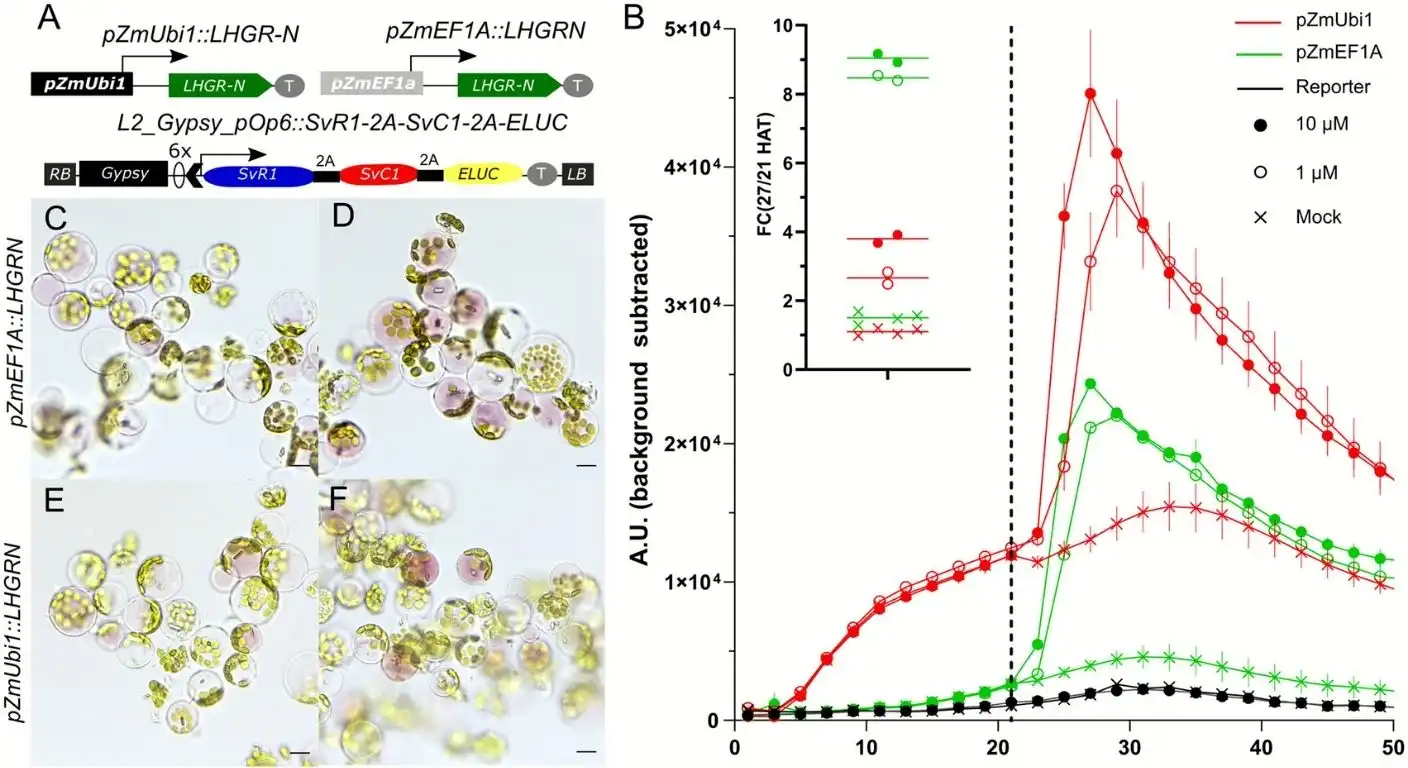
Imagine a field of corn that could tell a farmer when it’s been exposed to a harmful chemical. That’s the idea behind a breakthrough from a team of researchers who have developed a way to turn grasses, including major crops like corn, into living biosensors.
The scientists, led by a team at the Donald Danforth Plant Science Center, have engineered these plants to produce a visible purple pigment when they come into contact with specific chemicals. This means that a farmer could, for example, see a patch of purple in their field and immediately know it was hit by pesticide drift from a neighboring farm.
This technology isn’t just about what you can see with the naked eye. The researchers have also developed advanced imaging systems that can detect even subtle changes in pigmentation from a distance. This enables a precise, non-invasive method to monitor for pollution or other adverse conditions that could affect crop health.
While the idea of plant-based biosensors isn’t entirely new, most work to date has focused on non-grain species. This is the first time researchers have successfully developed these tools for grasses, the foundation of the global food supply.
“Grain crops are at the heart of global food security,” said one of the lead researchers. “Having plants act as sentinels in the field could increase food security and improve the sustainability of agriculture.”
In the spirit of open science, the team has made all of their tools and methods publicly available so that other scientists can build on their work. This could be a major step toward a future where our crops can “talk” to us and tell us exactly what they need to stay healthy.
Source: Plant Biotechnology Journal (2025).