Key Points
- The AI boom has created a global shortage of memory chips.
- The shortage is driving up prices for consumer electronics like smartphones, PCs, and gaming consoles.
- Chipmakers are prioritizing the production of high-bandwidth memory (HBM) for AI data centers.
- Memory chip prices are expected to jump another 40-50% in the first quarter of 2026.
The artificial intelligence boom is having an unintended consequence: it’s making your next smartphone, laptop, and gaming console more expensive. The massive demand for memory chips from the AI industry has created a global shortage, and the resulting price surge is now rippling through the consumer electronics market.
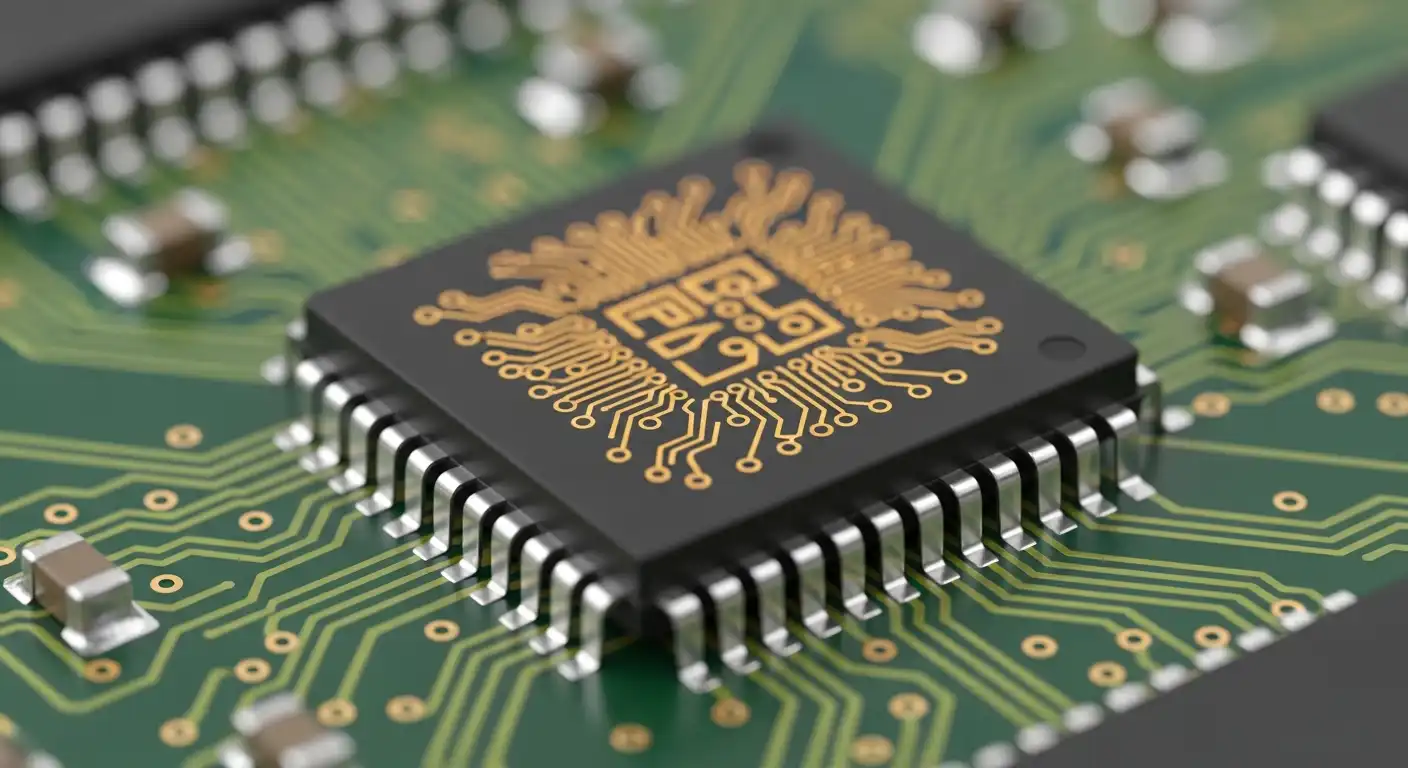
The problem is that the world’s biggest chipmakers—Samsung, SK Hynix, and Micron—are prioritizing the production of high-bandwidth memory (HBM) for AI data centers. This is a much more profitable business for them, but it has squeezed the supply of the regular memory chips used in everyday devices.
The result is a classic case of supply and demand. Prices for some types of memory chips have more than doubled since last year, and they are expected to jump another 40% to 50% in the first quarter of 2026. “Over the last two quarters, we’ve seen 1,000% price inflation in some products,” said the president of one semiconductor distributor.
This is forcing device manufacturers to make a tough choice: either absorb the higher costs and take a hit to their profit margins or pass them on to consumers. Many are choosing the latter. HP has already said it will raise PC prices, and the CEO of Raspberry Pi recently announced price increases for its popular single-board computers.
The impact is already being felt. Research firms are now predicting that global smartphone and PC sales will shrink this year, a sharp reversal from their previous growth forecasts.
Even Apple, with its massive scale and pricing power, is not immune. While the company is better positioned than its rivals to weather the storm, it may still need to raise prices to offset the higher input costs.