Key Points
- A jury convicted former Google engineer Linwei Ding of economic espionage.
- Ding stole thousands of files related to Google’s AI supercomputing chips.
- He secretly worked for two Chinese tech companies while employed by Google.
- The charges carry maximum prison sentences of up to 15 years per count.
A federal jury in San Francisco has convicted a former Google software engineer of stealing valuable artificial intelligence trade secrets. The Department of Justice announced on Thursday that 38-year-old Linwei Ding, also known as Leon Ding, was found guilty of taking confidential information from the U.S. tech giant to benefit two Chinese companies he was secretly working for.
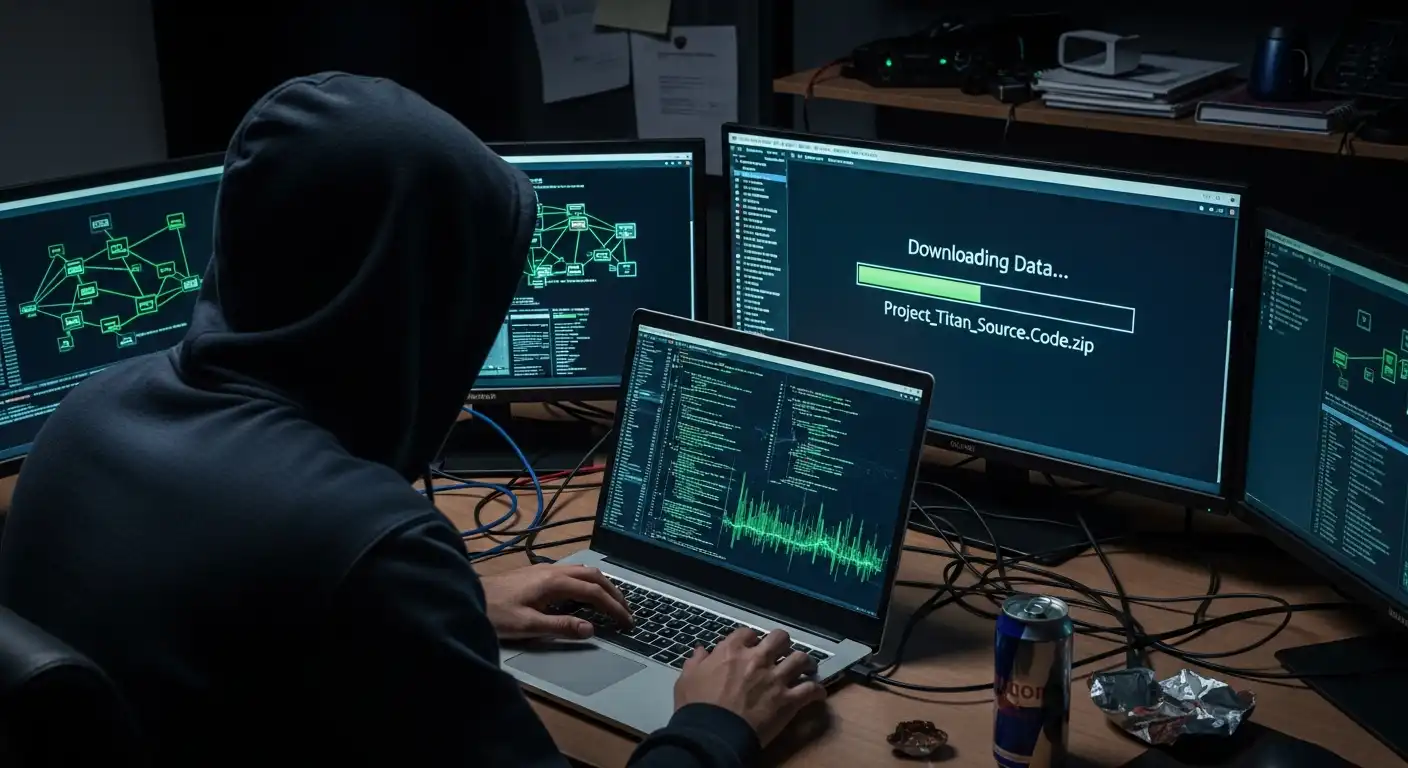
The conviction follows an 11-day trial that exposed how Ding siphoned off thousands of pages of sensitive documents. Prosecutors proved that Ding targeted specific hardware infrastructure and software platforms that Google uses to power its supercomputing data centers. These centers are the engine room for training massive AI models.
The stolen files included critical blueprints for advanced computer chips. Google designed this proprietary technology to give itself a competitive edge over cloud computing rivals like Amazon and Microsoft. The technology also aimed to reduce Google’s dependence on chips from Nvidia. By stealing these designs, Ding intended to transfer this cutting-edge advantage to foreign competitors.
According to court documents, Ding joined Google in 2019. He began stealing data three years later, right around the time he started communicating with early-stage technology companies in China. He essentially lived a double life, collecting a paycheck from Google while simultaneously serving as a Chief Technology Officer for a competitor abroad.
The legal consequences for Ding are severe. The jury found him guilty on seven counts of economic espionage and seven counts of theft of trade secrets. Each count of economic espionage carries a maximum sentence of 15 years in prison and a fine of up to $5 million. The trade secret theft charges each carry a maximum of 10 years behind bars.
This case represents a significant victory for the Disruptive Technology Strike Force, a special interagency group created by the Biden administration in 2023 to prevent American technology from being illegally acquired by foreign adversaries. Ding is scheduled to appear in court again for a status conference on February 3.
While Google cooperated fully with law enforcement during the investigation, the company has not yet released a statement regarding the verdict.