Key Points
- The U.S. Treasury issued a license allowing American firms to export and refine Venezuelan oil.
- New drilling and production are still prohibited for most companies except Chevron.
- The license strictly bans any business dealings with Chinese-linked entities.
- All payments to Venezuela’s state oil company must go through U.S.-controlled accounts.
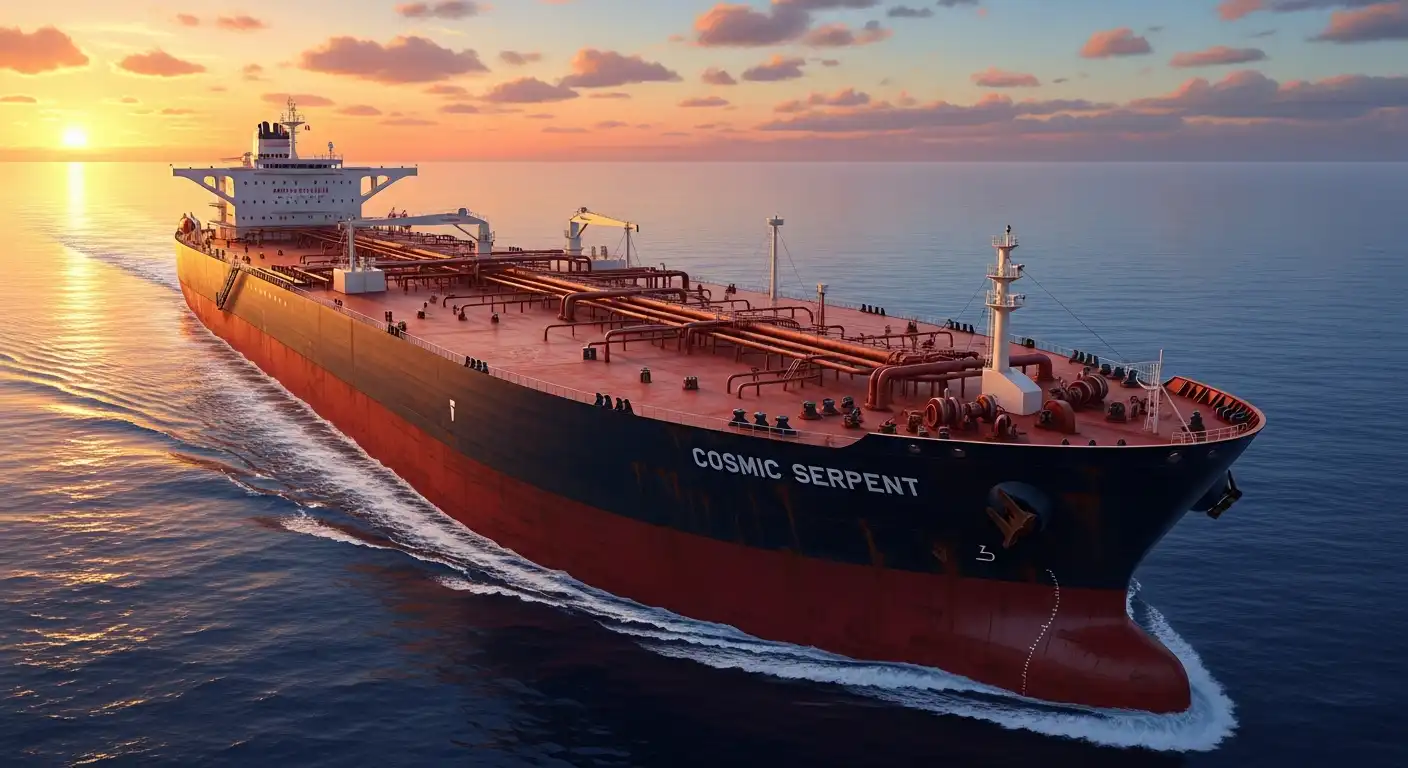
The Trump administration took a major step toward reopening Venezuela’s oil industry on Thursday. The U.S. Treasury Department issued a new general license that allows American companies to handle, store, refine, and export crude oil from the South American nation. This move aims to jumpstart Venezuela’s economy under its new, U.S.-backed leadership following the recent capture of former President Nicolás Maduro.
While this license opens the door for trade, it stops short of allowing a full return to normal operations. Administration officials clarified that the new rule does not allow companies to drill for or produce new oil inside the country. Currently, Chevron Corp. remains the only U.S. company with special permission to pump crude from Venezuelan soil.
The authorization follows a historic vote by Venezuelan lawmakers to reform the country’s oil laws. U.S. executives had argued these changes were necessary before they could commit serious money to the region. President Trump has stated he expects American energy firms to invest billions to repair Venezuela’s crumbling infrastructure, which has suffered from years of corruption and lack of maintenance.
However, the license comes with strict strings attached. The most significant restriction is a total ban on transactions involving entities tied to China. Before the recent regime change, China was a primary buyer of Venezuelan oil. Now, the U.S. wants to ensure those flows stop.
Additionally, the Treasury Department mandates that any payments made to PDVSA, Venezuela’s state-run oil company, must go through bank accounts controlled by the United States. The administration also stipulated that U.S. laws will govern these contracts, meaning any legal disputes must be settled in American courts.
Trading giants like Vitol and Trafigura have already started selling millions of barrels of crude that had been stuck in storage during the recent U.S. blockade. Meanwhile, Venezuela’s Acting President Delcy Rodriguez continues to promise foreign companies better tax rates and less red tape in hopes of reviving the nation’s most critical industry.