Key Points
- Silicon Valley is betting on smart glasses as the next major AI hardware platform.
- Meta currently dominates the market with a 70% share and surging sales.
- OpenAI acquired Jony Ive’s startup for $6.5 billion to design new AI devices.
- Google and Apple are developing their own smart glasses with AI features.
Artificial intelligence has changed the way people work, but Big Tech still needs a new gadget to bring that power into our daily lives. While chatbots like ChatGPT are useful tools, they are currently stuck on computer screens and phones. To make AI truly revolutionary for consumers, Silicon Valley is betting billions on a specific piece of hardware: smart glasses.
Meta is currently leading the charge. Mark Zuckerberg recently announced that sales of their Ray-Ban smart glasses tripled last year, controlling about 70% of the market. They plan to spend huge sums on capital projects this year to keep that momentum going. Competitors are moving fast to catch up.
On Wednesday, Snap announced it is spinning off its “Specs” division into an independent company. This move allows them to raise outside money to build augmented reality glasses that can fight Meta’s dominance.
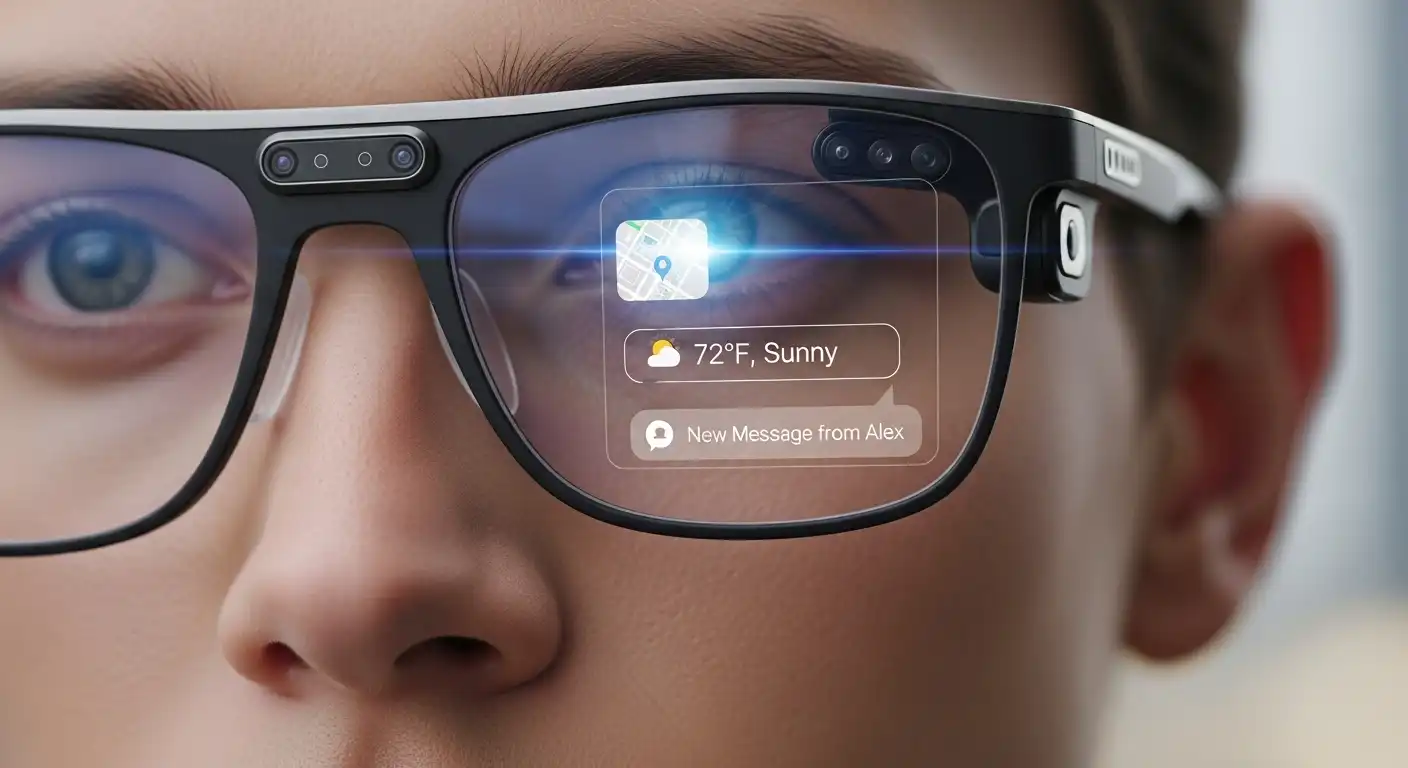
Google is also re-entering the arena. The search giant is partnering with trendy brands like Warby Parker to create glasses powered by its Gemini AI. These devices will feature cameras and microphones, with some models offering in-lens displays for real-time translation and directions.
Meanwhile, OpenAI made a massive splash by paying $6.5 billion to acquire Jony Ive’s startup, io. This signals that the creators of ChatGPT want the former Apple design chief to build the device that eventually replaces the iPhone. Reports suggest Apple is working on its own glasses, too.
Despite the hype, challenges remain. For now, most of these devices still need to be tethered to a smartphone for internet access and processing power. Critics also wonder if people actually want to wear computers on their faces, remembering the failure of early attempts like Google Glass.
However, tech leaders argue that if AI is going to live anywhere outside of a phone, it belongs in a device that sees and hears what you do. Whether consumers agree is the multi-billion dollar question.