Key Points:
- Waymo aims to raise $16 billion at a $110 billion valuation. Alphabet plans to provide the majority of the funding, totaling $13 billion.
- Waymo currently operates a fleet of over 2,500 driverless vehicles.
- External investors include major firms like Sequoia Capital and DST Global.
- U.S. regulators recently opened an investigation after a Waymo car struck a child.
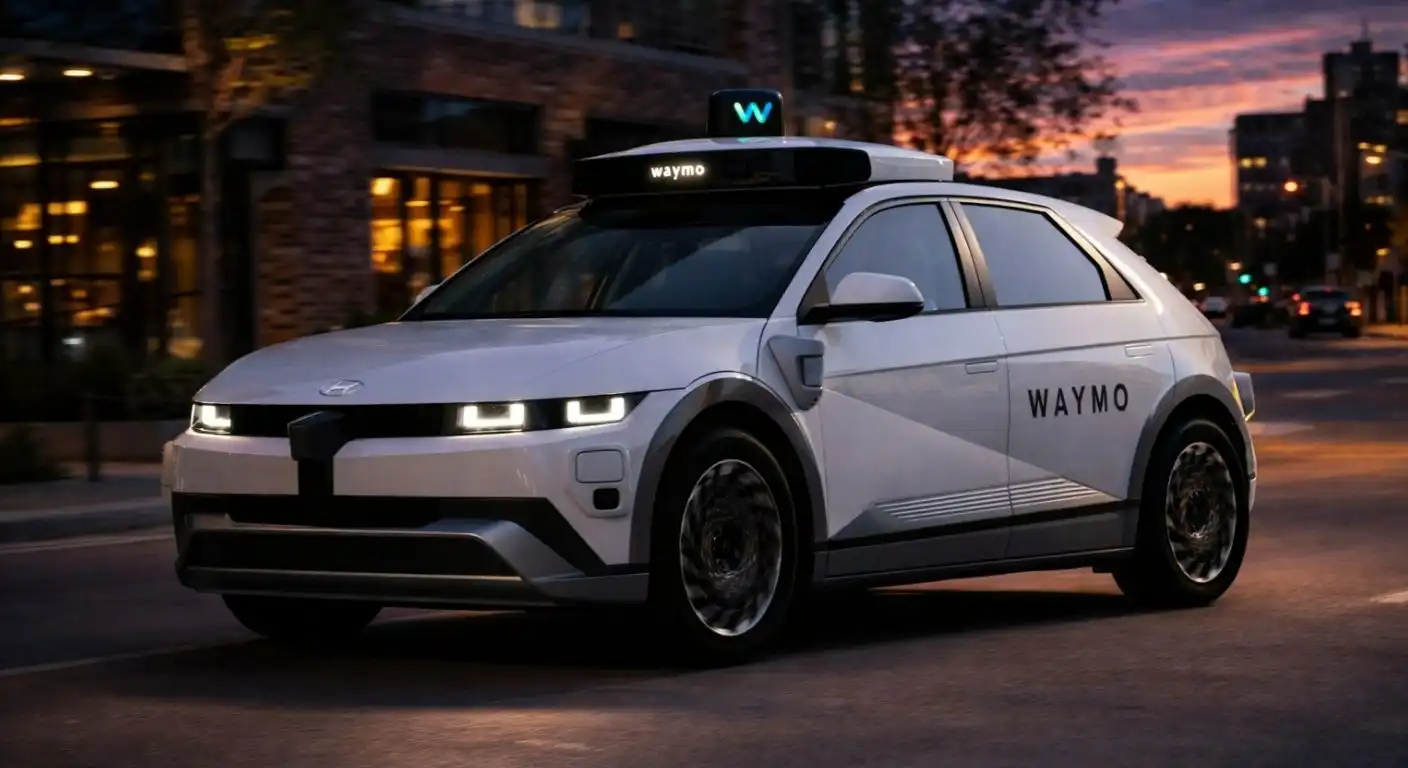
Waymo, the self-driving car unit owned by Google’s parent company Alphabet, is gearing up for a massive payday. According to recent reports, the company aims to raise about $16 billion in a new funding round. If successful, this deal would value the robotaxi firm at a staggering $110 billion.
The bulk of this money is expected to stay in the family. Alphabet plans to contribute roughly $13 billion to the pot. The remaining funds will likely come from outside investment heavy hitters, including Sequoia Capital, DST Global, and Dragoneer Investment Group. This news follows rumors from December that pegged the company’s potential value at closer to $100 billion, suggesting investor confidence has grown even stronger in just a few months.
Waymo has come a long way since it spun out of a Google project in 2016. Today, it stands alone as the only operator in the U.S. offering paid taxi rides without a human safety driver or attendant in the car. With a fleet of over 2,500 vehicles, they are currently leading the race to put fully autonomous cars on public roads.
However, the path forward isn’t entirely smooth. The push for cash comes at a sensitive time for the company regarding safety.
Just last week, U.S. auto safety regulators launched an investigation after a Waymo vehicle struck a child near an elementary school in Santa Monica, California. While the injuries were reported as minor, the accident has renewed the public debate over whether robotaxis are truly ready for widespread use on busy city streets.
Despite the scrutiny, this potential cash injection shows that Alphabet and other investors are willing to bet big on Waymo. They appear focused on refining the technology and working with regulators to secure a dominant share of the future transportation market, believing that the long-term payoff will outweigh the current hurdles.