Key Points:
- Gold and silver prices stabilized on Monday after a massive crash on Friday.
- The sell-off was triggered by the nomination of Kevin Warsh as Fed Chair.
- Silver suffered the worst losses, dropping more than 25% from last week’s highs.
- JPMorgan remains bullish, predicting gold could hit $6,300 by the end of 2026.
Gold and silver markets finally caught their breath on Monday, steadying after a brutal sell-off late last week that left Wall Street stunned. The “parabolic” rally—where prices shot almost straight up—came to a violent halt on Friday, triggered largely by President Trump’s nomination of Kevin Warsh as the next Chairman of the Federal Reserve.
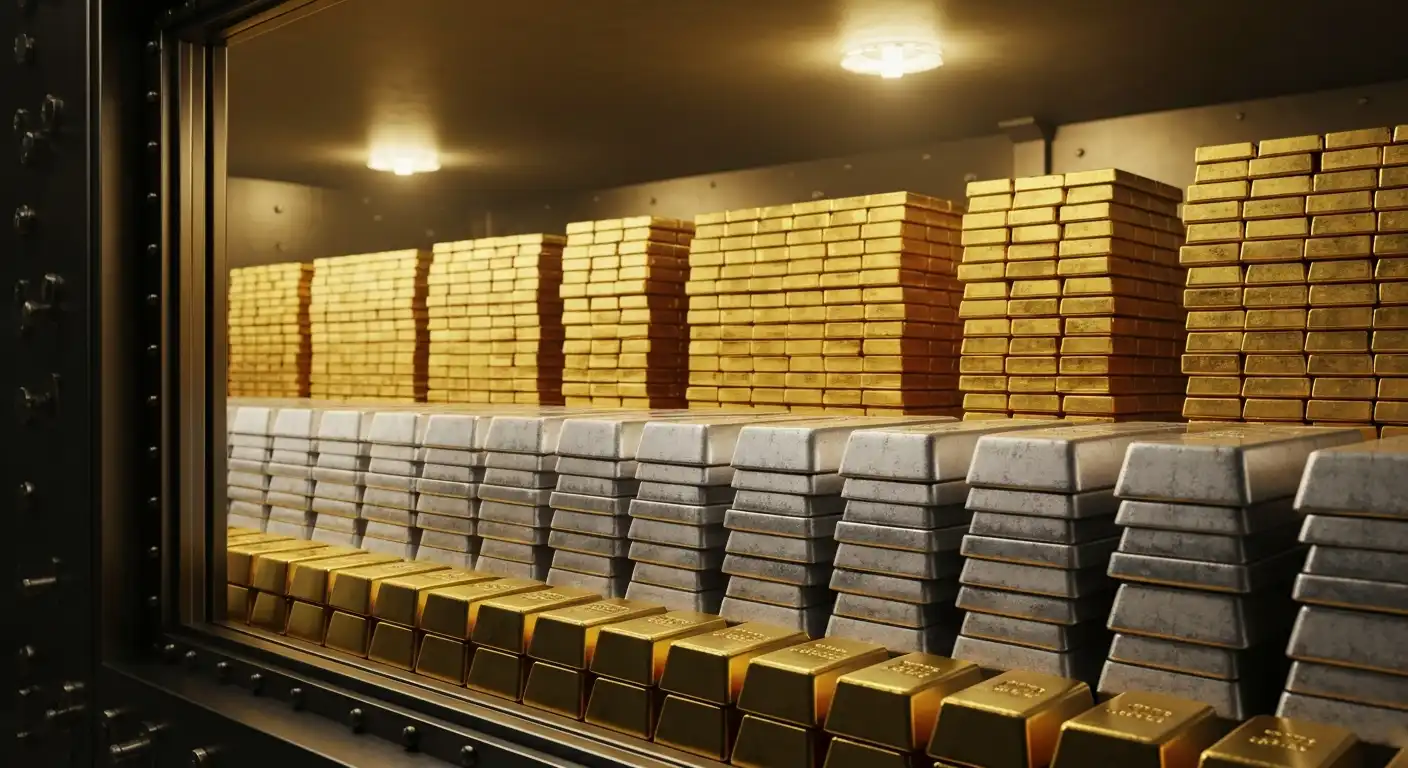
On Monday, gold prices hovered around $4,700 per ounce. This follows a drop of more than 9% on Friday. Silver took an even harder hit, sliding to near $76 per ounce after losing a massive 25% of its value in just one trading session.
“The dam broke,” said Tom Essaye, founder of Sevens Report Research. He noted that the vertical price moves seen in January were simply unsustainable. When the market realized the rally had gone too far, too fast, investors rushed for the exits.
Despite the stabilization, some experts are warning regular investors to stay on the sidelines. Nancy Tengler, CEO of Laffer Tengler Investments, called the wild swings “disturbing.” She argued that precious metals had turned into a “momentum trade”—essentially gambling on price direction—rather than a safe investment. Her advice is to wait for the dust to settle before buying back in.
However, not everyone is pessimistic. JPMorgan analysts released a note on Sunday, doubling down on their bullish outlook. They believe the long-term reasons to buy gold, such as heavy purchasing by central banks and a weakening U.S. dollar, remain strong. JPMorgan forecasts that gold could still climb to $6,300 per ounce by the end of 2026, and they see a price floor for silver between $75 and $80.
Short-term hurdles remain, though. Ole Hansen of Saxo Bank pointed out that the upcoming Chinese New Year holiday and higher margin requirements from exchanges will likely dampen trading activity. He suggests patience is the best strategy right now, rather than chasing a volatile market until a clearer picture emerges.