Key Points:
- Copper earnings surpassed iron ore for the first time ever.
- BHP shares jumped 7% to hit a new all-time high.
- Booming AI and clean energy sectors are driving metal demand.
- The company announced a higher-than-expected dividend for shareholders.
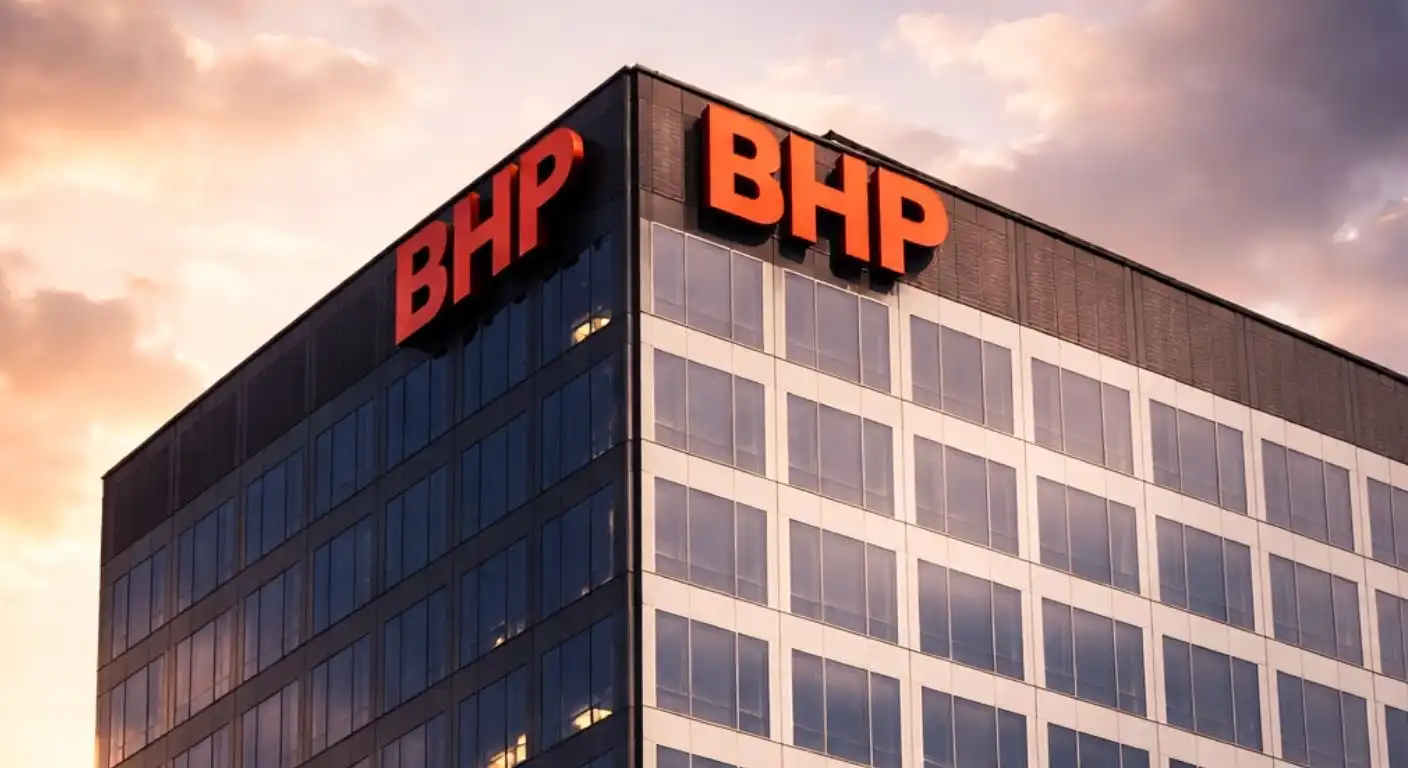
Mining giant BHP Group just delivered a record-breaking performance. The company reported higher-than-expected profits for the last six months, sending its stock price soaring 7% to a new all-time high. In a historic shift for the world’s top miner, BHP earned more money from its copper division than from its traditional iron ore business.
The financial results show a clear changing of the guard. Copper brought in nearly $8 billion, accounting for more than half of the group’s total earnings. In comparison, iron ore contributed $7.50 billion. Overall, underlying profits jumped 22% to reach $6.2 billion. This success allowed BHP to reward shareholders with a dividend of 73 cents per share, smashing the 63 cents that analysts had predicted.
A global hunger for technology is fueling this copper boom. Artificial intelligence data centers require massive amounts of power and wiring, while the transition to green energy needs copper for everything from wind turbines to electric cars. This intense demand has pushed prices for the metal significantly higher.
Despite the cash windfall, CEO Mike Henry says the company is not looking to buy out competitors right now. After walking away from a potential deal to buy Anglo American last year, BHP is focusing on “organic growth.” This means they will expand the mines they already own rather than spending billions on risky acquisitions.
The company is already moving forward with this strategy. BHP raised its production outlook for the massive Escondida mine in Chile for 2027. Additionally, a joint venture controlled by BHP announced an $18 billion plan to develop new mining projects in Argentina. To boost cash flow further, the miner also signed a deal to sell silver production from a mine in Peru for an upfront payment of $4.3 billion.