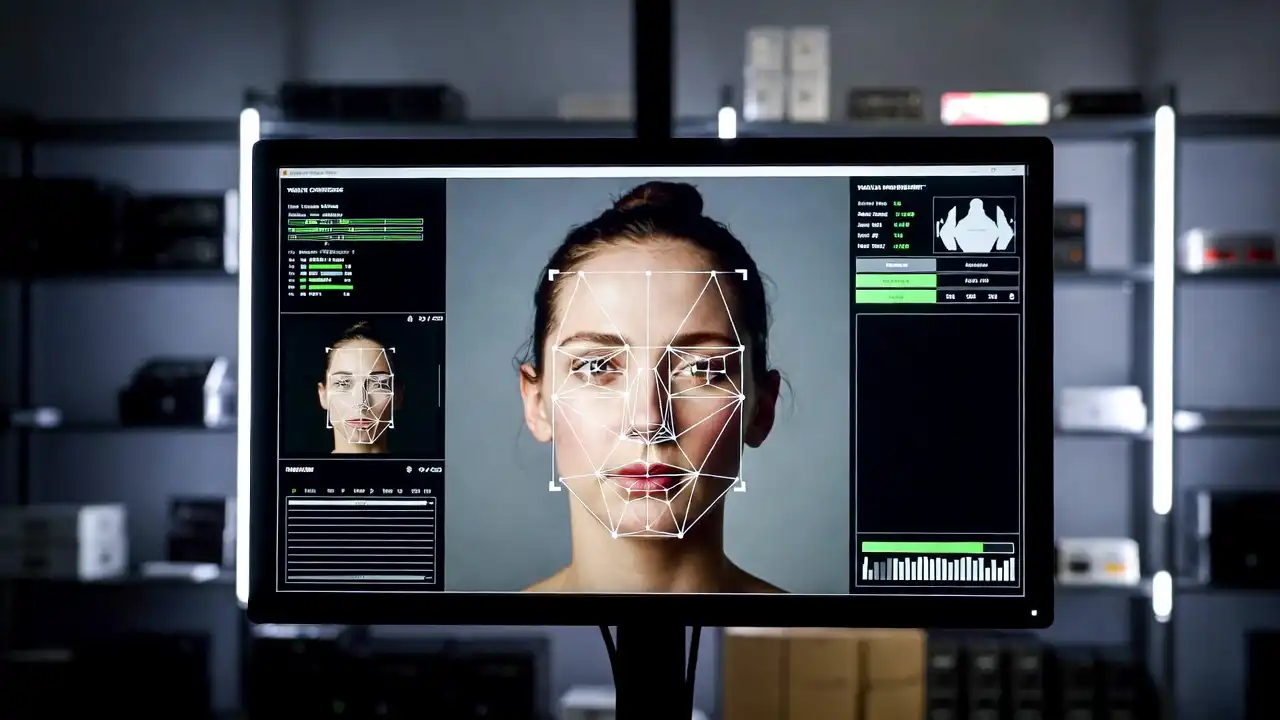
Unlocking your phone with your face feels like magic. It’s a seamless, futuristic convenience that we’ve all quickly gotten used to. That same magic is now being used to board an airplane or enter a concert. On the surface, facial recognition technology is a brilliant tool, a solution that promises a world of effortless security and personalized experiences. But behind this convenient trick lies a technology so powerful that it challenges the very idea of a private life, and we’re deploying it far too quickly, with little thought for the consequences.
The Promise of a Safer World
Let’s be fair: the arguments in favor of this technology are compelling. For law enforcement, it’s a potential game-changer. Imagine being able to identify a terrorist in a crowded airport or find a missing child by scanning public camera feeds. Proponents sell us a vision of a world where crime is harder to commit and where our public spaces are safer. In this view, if you have nothing to hide, you have nothing to fear. The technology is presented as a neutral tool, a digital bloodhound that can pick out a single wanted face from a sea of millions.
The Death of the Private Self
The problem is that this digital bloodhound doesn’t just track the guilty; it tracks everyone. Throughout human history, we have enjoyed the freedom of anonymity in public. You could attend a political protest, visit a support group, or simply walk through a park without creating a permanent, searchable record of your presence. Facial recognition destroys this. It turns your face into a unique identifier, a license plate that you can never take off. In a world with cameras on every corner, this technology creates the potential for a society where every movement, every association, is logged and analyzed. This has a chilling effect on free expression and the simple right to be left alone.
A Flawed and Biased Judge
This all-seeing eye is not perfect. Study after study has shown that facial recognition algorithms are often deeply flawed and biased. Because they are trained on data that often over-represents white men, they have a significantly higher error rate when identifying women and people of color. This isn’t just a technical glitch; it’s a recipe for disaster. A false match could lead to a wrongful arrest, a denied opportunity, or worse. We are rushing to put our trust in a digital judge that is not only fallible but also systematically biased against a huge portion of our population.
A Tool of Unprecedented Control
In the hands of an authoritarian government, facial recognition is the ultimate tool of social control. It’s the technology that can power a social credit system, track dissidents, and enforce conformity on a massive scale. But it’s not just governments we should be worried about. Corporations are eager to use this technology to track our shopping habits, measure our emotional responses to ads, and create psychological profiles of us more detailed than we can imagine. It is a tool of unprecedented power, and we are handing it over with very few rules in place.
A Line We Must Draw in the Sand
The debate around facial recognition is not about convenience versus privacy. It’s about what kind of society we want to live in. Do we want a world where we trade our anonymity for a vague promise of security? Do we want to trust a biased and flawed algorithm to make decisions about our lives? This technology is not a simple upgrade, like a faster phone. It is a fundamental shift in the balance of power between the individual and the institutions that watch us. We need to have a serious, public conversation and draw a clear line in the sand before the magic trick becomes a permanent trap.