Key Points:
- Tesla sued California regulators to overturn a false advertising ruling.
- The state previously claimed Tesla misled buyers about self-driving features.
- Lawyers argue drivers knew the cars required human supervision.
- The company recently rebranded the software to “Full Self-Driving (Supervised).”
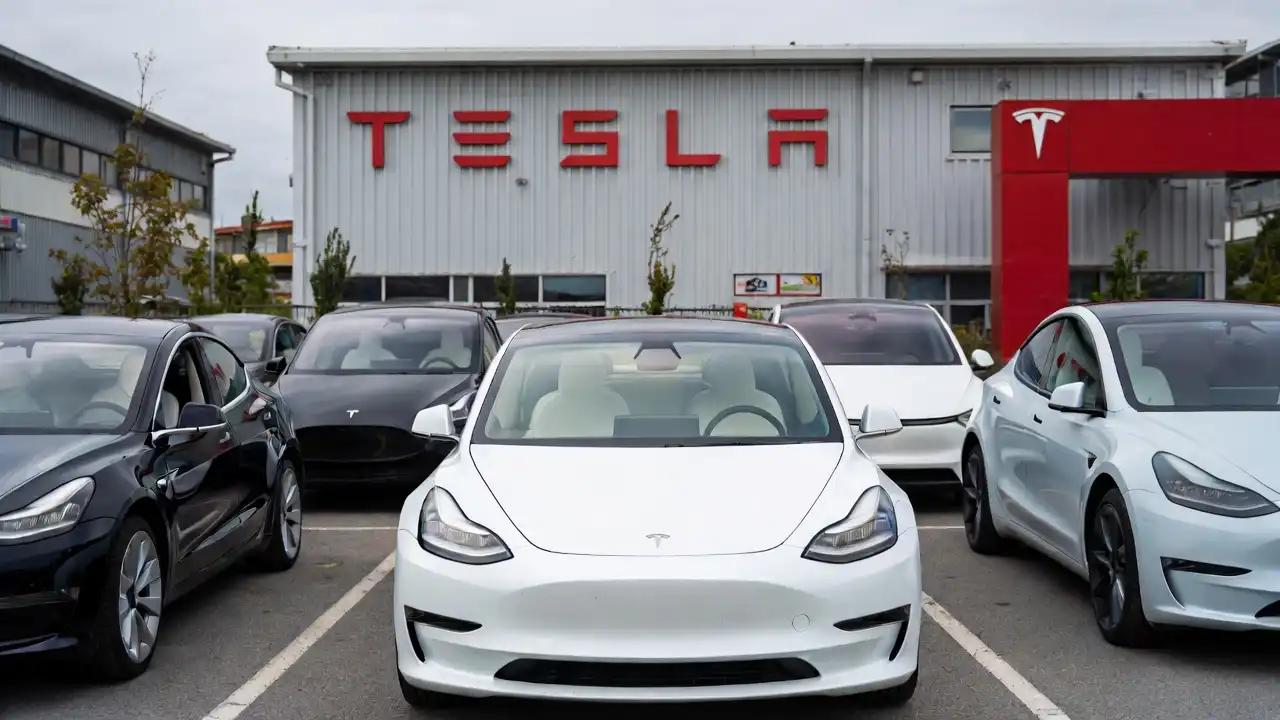
Tesla has filed a lawsuit against the California Department of Motor Vehicles (DMV) to reverse a damaging legal decision. The electric automaker wants to overturn a ruling that declared it broke the law by falsely advertising the capabilities of its self-driving software.
The dispute stems from a decision made two months ago by the state’s Office of Administrative Hearings. The office determined that Tesla’s marketing for “Autopilot” and “Full Self-Driving” was deceptive. At the time, the DMV had the power to suspend Tesla’s license to sell cars in California. However, the agency decided against a suspension after Tesla agreed to update its website and marketing language.
Despite avoiding a sales ban, Tesla is not satisfied. In the new complaint filed in mid-February, the company’s attorneys argue that the agency wrongfully labeled Tesla a “false advertiser.” The legal team claims the DMV never proved that any customer was actually confused. They argue that it was impossible to buy a Tesla without seeing repeated warnings that the car cannot drive itself and needs a human at the wheel.
To address safety concerns, Tesla recently changed the product name to “Full Self-Driving (Supervised).” This shift emphasizes that the driver must remain alert. However, the company faces pressure to deliver on CEO Elon Musk’s long-standing promise of fully autonomous robotaxis. Tesla is currently testing these vehicles in Texas and recently announced production plans for the Cybercab, a car with no steering wheel.
This lawsuit is just one part of Tesla’s mounting legal challenges. The company is fighting class-action suits from angry buyers who feel the software never lived up to the price tag.
Additionally, a jury recently ordered Tesla to pay $243 million to the family of a driver who died in a crash while using Autopilot. In that case, the driver was distracted by his phone, but the jury found Tesla partly responsible for the system’s failure to brake.