Key Points:
- ASML says its new High-NA EUV machines can now handle high-volume manufacturing.
- These advanced tools cost about $400 million, doubling the price of previous models.
- The technology allows companies like Intel and TSMC to build faster artificial intelligence chips.
- Machines already processed half a million wafers and achieved an 80 percent uptime rate.
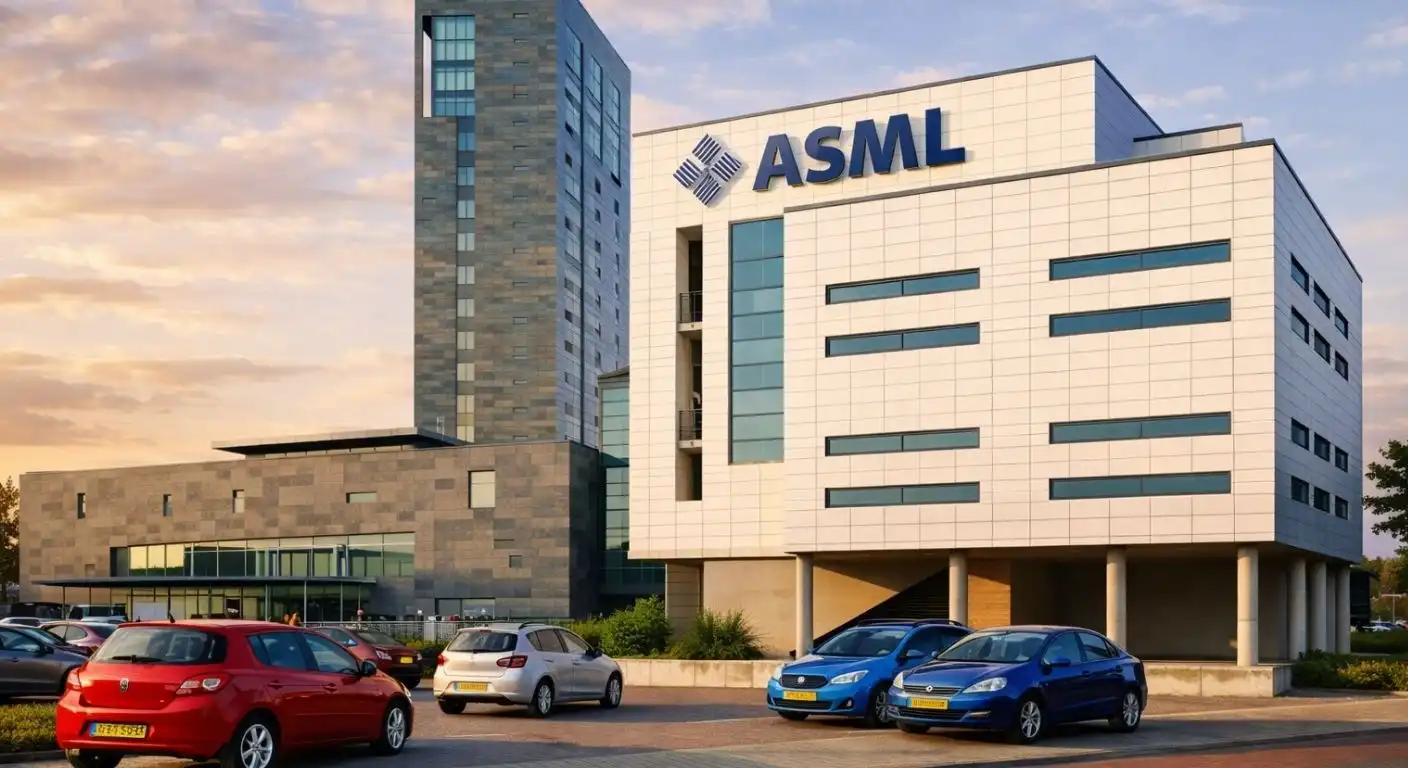
Dutch technology giant ASML hit a major milestone this week. The company announced its next-generation chipmaking machines are finally ready for mass production. Chief Technology Officer Marco Pieters shared the update with Reuters, calling it a huge step forward for the global semiconductor industry.
ASML builds the only extreme ultraviolet lithography tools in the world. Major manufacturers like Intel and Taiwan Semiconductor Manufacturing Company rely heavily on this equipment. The new High-NA EUV models will help these companies create smaller, more efficient chips.
The artificial intelligence boom desperately needs this hardware. Current chipmaking tools have almost reached their physical limits. Developers need better processors to improve complex software like ChatGPT. ASML designed the new machines specifically to meet this massive demand.
These upgrades come with a hefty price tag. Each new machine costs around $400 million, doubling the price of the previous generation. However, ASML data shows the new technology eliminates several complicated steps from the standard manufacturing process.
Pieters noted that the tools now experience very little downtime. The machines have successfully processed 500,000 silicon wafers and drawn incredibly precise circuit patterns. The system currently maintains an 80 percent uptime rate, and the company plans to hit 90 percent soon.
ASML officially presents this performance data at a technical conference in San Jose on Thursday. Pieters believes this data will easily convince customers to upgrade their factory lines.
Even with the technology ready today, factories cannot flip a switch overnight. Manufacturers still need two to three years to run their own rigorous tests. They must figure out exactly how to integrate these massive machines into their current assembly lines.