We spent the last century building cities for cars, concrete, and pollution. We treated nature as an obstacle to progress rather than the foundation of our health. But in 2026, the blueprint has changed. We now design urban spaces around the planet’s limits. A smart city is no longer just a place with high-speed internet and fancy gadgets. A truly smart city is a sustainable one. We are finally learning to use data and technology to heal the damage we caused to our urban environments.
Sensors Are the City’s Nervous System
You cannot fix what you cannot measure. Modern cities now act like living organisms because they possess a massive nervous system of sensors. Small devices attached to streetlights and buildings monitor air quality, water flow, and energy leaks in real-time. If a water pipe bursts underground, the system knows before a single drop hits the street. If air pollution rises near a school, the city automatically shifts traffic patterns to protect the kids. We have traded guesswork for precision. This constant stream of data allows us to act fast instead of reacting to disasters after they happen.
Powering Everything with a Digital Grid
Traditional power grids were built to blast electricity from big, dirty power plants into homes. This outdated design wastes massive amounts of energy. The new smart city runs on a “microgrid” system. Buildings now act like miniature power plants, covered in solar skins and wind turbines. When a building creates more energy than it needs, it sells the extra power to its neighbors. The city’s software manages this dance perfectly. It ensures that energy flows exactly where it needs to go, with zero waste. We have turned our skyline into a giant, self-healing battery.
Moving People Instead of Moving Cars
The old model of the city forced everyone to own a car and sit in traffic for hours. That system is fundamentally broken. Sustainable cities now prioritize the flow of people over the storage of machines. We have replaced wide parking lots with green parks and bike lanes. Autonomous shuttles run on a loop, picking people up at their doorsteps and dropping them at the train station. Because these shuttles know exactly where people are, they never drive around empty. We have regained the streets that we once gave away to idling steel boxes.
Turning Trash Into a Resource
We used to send trucks to haul our waste to giant piles in the desert. We literally threw away our own resources. The smart city of 2026 treats trash as a failure of design. Smart sorting bins identify materials immediately, crushing glass and plastic for instant recycling. Organic food waste goes into local digesters, which turn it into clean methane gas to power the city’s buses. We have closed the loop. By turning our trash into heat, electricity, and new products, we have almost eliminated the need for the local landfill.
Designing Buildings That Grow and Breathe
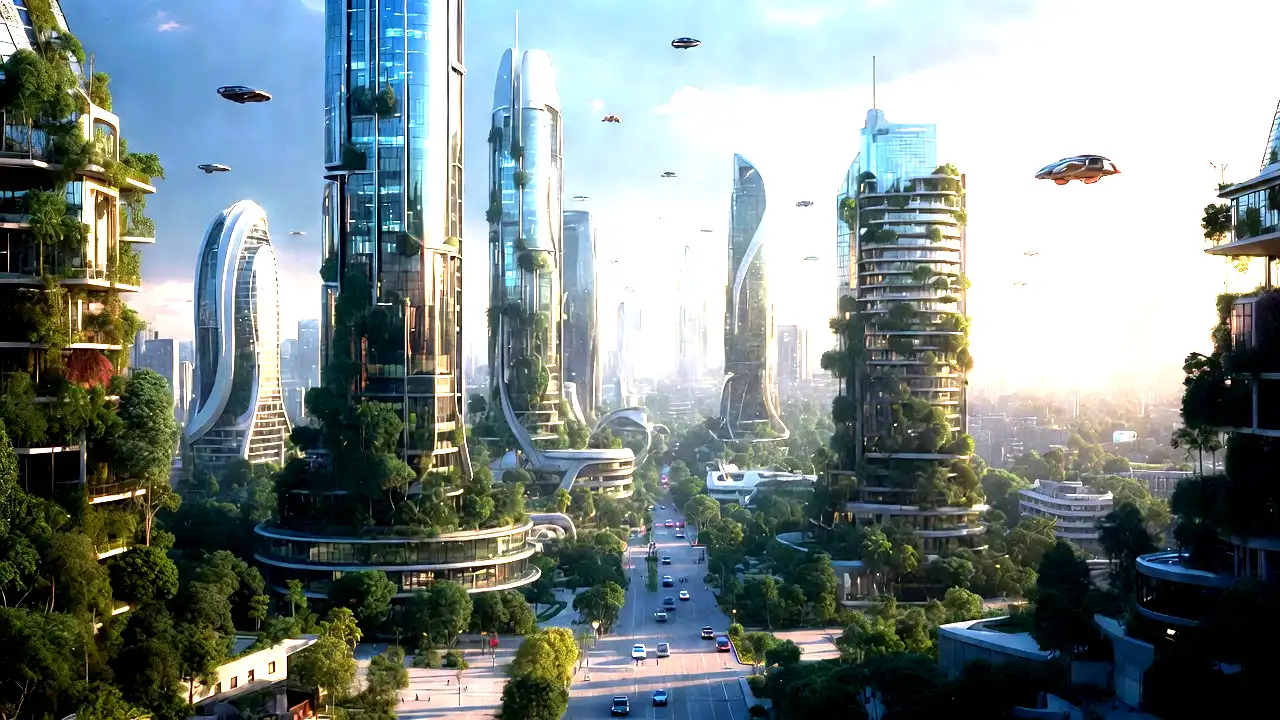
Concrete buildings trap heat, making cities hot and miserable in the summer. We now use “living” materials. Walls are covered in vertical gardens that pull carbon out of the air and cool the building naturally. Smart windows tint themselves automatically when the sun is too strong, slashing the need for air conditioning. Some new materials even absorb pollutants and turn them into harmless salts. We are moving away from dead boxes of steel and toward structures that function like trees. These buildings don’t just stand there; they actively clean the air around them.
Conclusion
Building a smart city is not about showing off the latest expensive tech. It is about restoring the balance between human life and the environment. By using data to reduce waste, rethink energy, and prioritize people, we finally create cities that support our survival rather than threaten it. The city of the future is not a gray forest of concrete; it is a thriving, sustainable garden that uses intelligence to keep the air clean and the lights on.