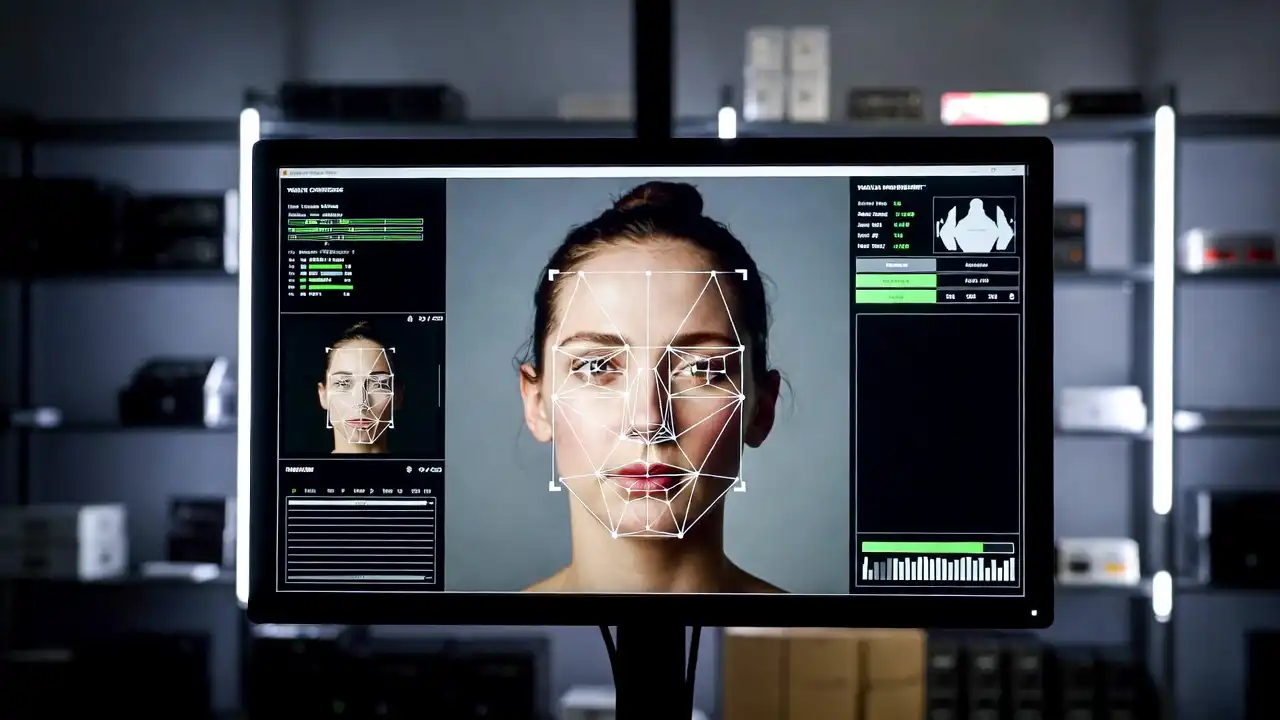
We used to waste hours of our lives resetting forgotten passwords. We typed in secret codes, answered security questions about our first pet, and carried plastic cards in our wallets. In 2026, those days feel like ancient history. We have entered the biometric society. Today, your body acts as your passport, your credit card, and your house key. We simply look at a camera or touch a sensor to move through the world. While this shift offers incredible speed and convenience, it forces us to confront a terrifying question: what happens if someone steals your face?
The End of the Memory Game
For decades, digital security relied on what you knew. You had to memorize complex strings of letters and numbers. Now, security relies on who you are. We walk through airport security gates without stopping to show a paper ticket. We buy groceries with a quick scan of our palm. The friction of daily life has vanished. We no longer worry about leaving our wallet at home because we cannot leave our hands or eyes behind. This seamless experience makes the old world of PIN codes look clumsy and slow.
You Cannot Change Your Fingerprint
The biggest flaw in this new system is permanence. If a hacker stole your email password five years ago, you simply changed it to a new one. You fixed the problem in five minutes. But if a criminal steals the digital map of your fingerprint or your iris, you are in trouble. You cannot grow a new finger. You cannot get a new retina. Once your biometric data leaks onto the dark web, it stays there forever. We are building a security system based on unchangeable passwords, and that creates a lifelong risk for every single person.
The War Against Deepfakes
Criminals do not sleep; they just upgrade their tools. As we rely more on facial recognition, thieves rely more on artificial intelligence. We are seeing a rise in “deepfake” attacks where scammers use software to create a perfect digital mask of a victim. They use these fake videos to trick bank apps and security cameras. It is an arms race. Security companies must build sensors that detect blood flow and skin texture to tell the difference between a real human and a digital puppet. The lock must get smarter because the burglars certainly have.
Privacy Ends at the Front Door
We used to have the right to be anonymous in public. You could walk down a busy street in a crowd, and no one would know who you were. In a biometric society, anonymity is dead. Smart cameras on street corners identify every face that passes by. Shops track exactly who walks in and what they look at. Marketing algorithms match your physical movements with your online search history. We have traded our privacy for the convenience of not carrying an ID card. We are constantly broadcasting our identity just by existing in public space.
Owning Your Own Biology
The most critical fight of this decade is over data ownership. Tech giants want to store our face scans on their massive central servers. This is dangerous. If that one server gets hacked, millions of people lose their identities. We must demand “decentralized” identity. This means your biometric data stays locked inside your own phone or a secure chip card. The shop scanner only asks your phone, “Is this the right person?” and your phone answers, “Yes.” The shop never sees or saves your actual face data. We must keep the keys to our biology in our own pockets.
Leaving No One Behind
Technology often forgets about the people who don’t fit the mold. A biometric society risks locking out the elderly, the injured, or manual laborers with worn-down fingerprints. If the scanner refuses to recognize you, you cannot access your bank account or enter your office. We cannot build a world that only works for perfect bodies. We need backup systems. There must always be a human alternative or a physical key for those who cannot use the digital sensors. Efficiency means nothing if it destroys accessibility.
Conclusion
The biometric revolution is here, and we cannot turn back the clock. We will not go back to memorizing passwords. However, we must remain vigilant. We have handed over the unique maps of our bodies to corporations and governments. We must demand strict laws and better technology to protect that data. Your face belongs to you, and it should open doors only when you want it to.