Ten years ago, we saved up our money to buy physical objects. We wanted the newest car, a bigger television, or a heavy gold necklace. Today, our desires have completely shifted. We want memories. We gladly spend our hard-earned takas on a great meal, a thrilling concert, or a weekend trip with friends. We live in an experience-based economy. To feed this new hunger, businesses are turning to a powerful new tool: Augmented Reality. AR does not drag you away into a fake, isolating virtual world. Instead, it places digital magic right on top of our actual physical streets, shops, and homes. This technology completely changes how we buy, learn, and explore.
Trying Before Buying in Your Own Living Room
Retailers finally realize that a flat photo on a website completely fails to sell a feeling. When you shop for a new sofa today, you do not just look at a tiny picture on your phone screen. You open an app, point your camera at your empty living room, and drop a full-size, 3D digital model of that sofa right onto your floor. You walk around it. You see exactly how the afternoon sun hits the green fabric. You experience the furniture in your own home before you spend a single taka. This gives small business owners in Bangladesh a huge advantage. They do not need to rent massive, expensive showrooms anymore. Local clothing brands in Dhaka now use smart mirrors in their tiny shops. You stand in front of the glass, and the mirror instantly dresses you in ten different outfits without you ever stepping into a changing room. You buy the thrill of the perfect fit.
Turning the City Streets Into a Museum
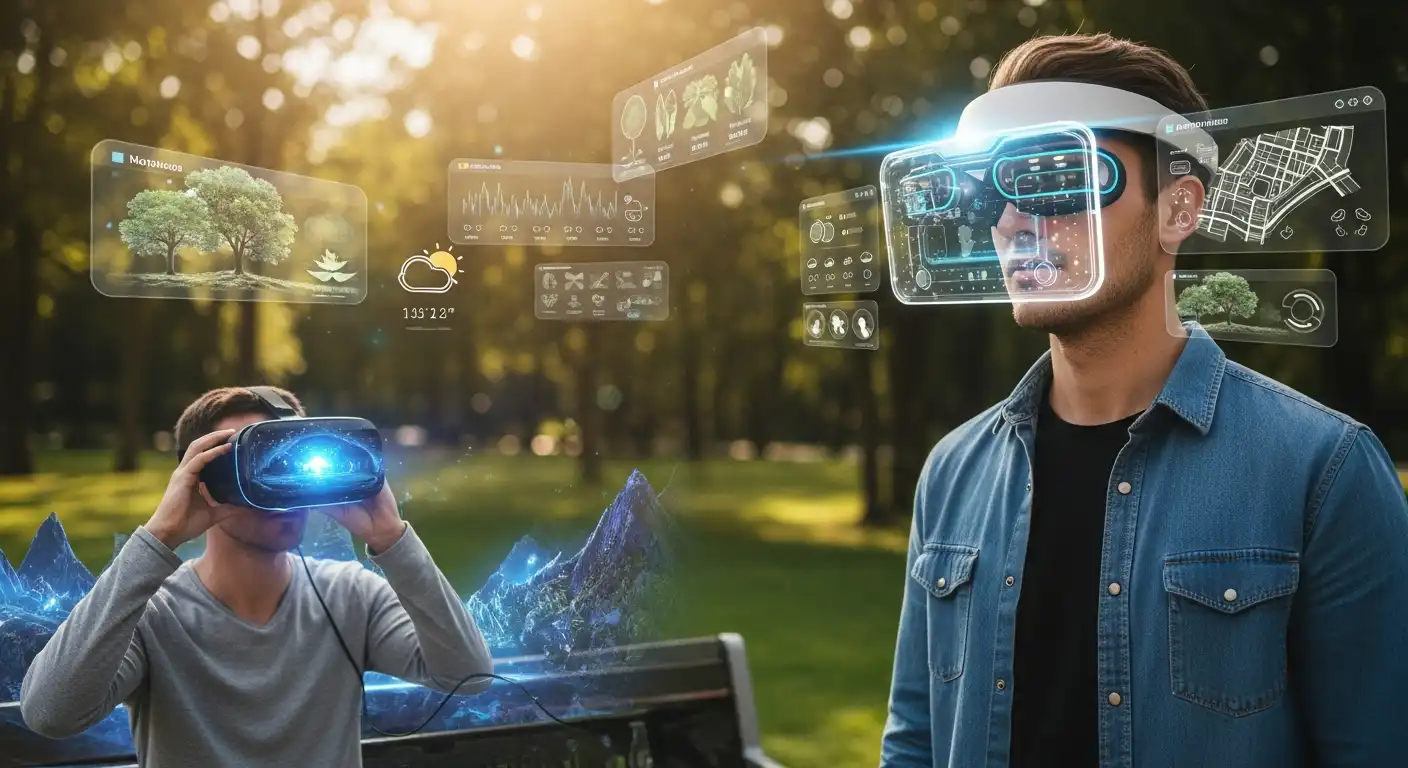
We love exploring new places, but heavy traffic and crowded streets often ruin the fun. Augmented reality breathes fresh life into local tourism. Imagine walking through the narrow, busy streets of Old Dhaka today. You put on a pair of lightweight AR glasses. Suddenly, the chaotic traffic fades slightly, and digital projections show you exactly how the street looked a hundred years ago. You watch a digital horse-drawn carriage roll past Ahsan Manzil. You hear the sounds of the old river market. Tour guides do not just talk at you anymore; they place you inside a living movie. This makes history exciting and deeply personal. We happily pay for this immersive journey through time because it creates a memory we can actually feel.
The End of the Boring Classroom
The experience economy completely upends how we teach our children. For generations, students stared at dusty chalkboards and tried to memorize flat diagrams of the human heart. Now, learning becomes an active adventure. A science teacher in a rural school in Sylhet hands out cheap AR tablets. The students point the screens at their wooden desks, and a beating, 3D human heart appears in the air. They can lean in, watch the valves open, and see the blood flow. When education becomes a thrilling, visual experience, children learn faster and remember the lessons forever. We stop forcing kids to read about science; we let them watch it happen right in front of their eyes. We give them an experience, not just a textbook.
The Danger of a Painted Reality
We must pause and look at the dark side of this shiny new tool. When we can easily cover ugly things with pretty digital pictures, we might stop fixing our real problems. If an augmented reality app paints a beautiful digital forest over a polluted, trash-filled canal in our city, we might forget that the actual water still smells awful. Local city planners must fix the actual broken roads instead of just offering a digital map that routes us around the mess. We cannot use AR as a cheap blindfold. Furthermore, rich companies control these digital layers. If we only see the world through a corporate lens, they will blast us with digital advertisements every time we look up at the sky. We must fight to keep our public spaces, both physical and digital, clean and free from endless corporate spam.
Conclusion
Augmented reality fits perfectly into an economy that values rich experiences over cheap plastic goods. It gives us the power to test new products instantly, travel through time on our afternoon walks, and turn a boring classroom into a science fiction laboratory. But we must use this massive power carefully. We should use digital tools to enhance our physical lives, not to escape from them. If we demand honest, useful AR experiences that connect us to our local community, we will build a world that is incredibly fun, highly educational, and deeply human. We must ensure the real world remains just as beautiful as the digital one we project over it.