Key Points:
- Global chip wafer shortages will likely continue until at least 2030.
- Artificial intelligence requires massive amounts of high-bandwidth memory, eating up the wafer supply.
- SK Hynix currently dominates the HBM market with a massive 57 percent share.
- The company is considering a US stock listing to attract more international investors.
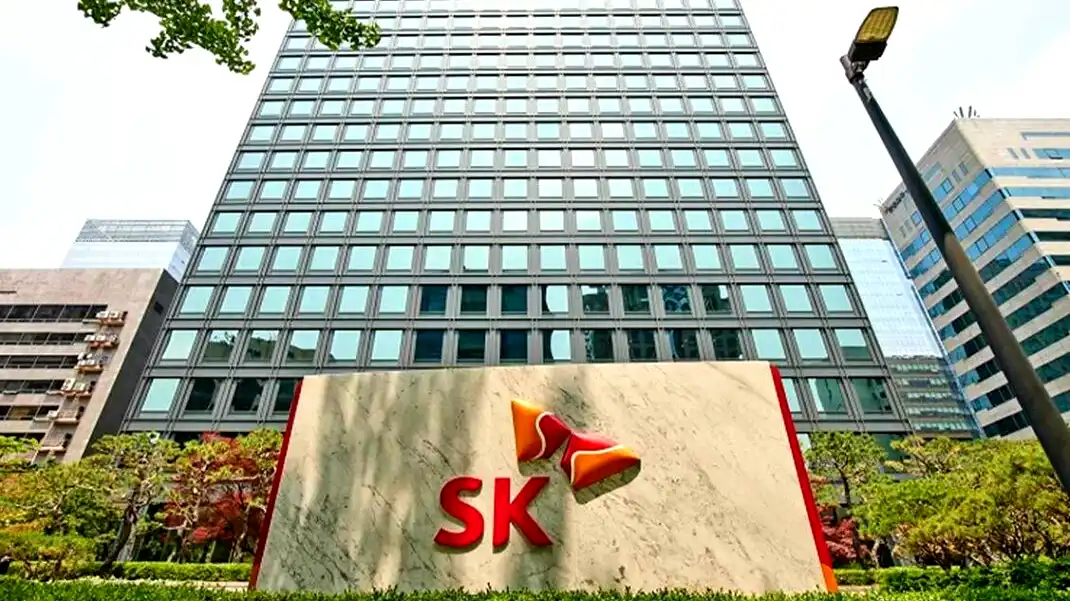
The global technology industry is facing a massive problem that will not go away anytime soon. South Korea’s SK Group Chairman Chey Tae-won warned on Monday that the worldwide shortage of computer chip wafers will likely persist until the year 2030. He explained that the explosive demand for artificial intelligence is currently outpacing factories’ ability to build the hardware.
Chey spoke directly to reporters while attending Nvidia’s huge GTC Conference in San Jose, California. During the event, he shared several major updates regarding the future of SK Hynix. The company is actively reviewing plans to list its stock in the United States to attract a wider base of global investors. He also hinted that the company’s CEO plans to announce a new strategy to stabilize DRAM chip prices in the near future.
SK Hynix is an absolute powerhouse in the technology sector. The company is the primary supplier of high-bandwidth memory for Nvidia, the company leading the AI revolution. According to market research firm Counterpoint, SK Hynix currently ranks number one in the HBM market, controlling a massive 57 percent share. Furthermore, the company holds a 32 percent share of the global DRAM market, making it the second-largest player in the space.
The root of the shortage comes down to how AI works. “AI actually wants to have a lot of HBM, and once you make the HBM… we have to use a lot of wafers,” Chey told the reporters. He explained that building these complex chips consumes a huge amount of raw silicon materials.
Fixing this massive supply chain issue will take years of hard work. “So we need some time to build up more wafers, at least 4 to 5 years,” Chey stated. Because building new factories takes so long, he expects the current shortage to continue right up until 2030. He even predicted the industry would face a wafer shortage of more than 20 percent over the next few years.
Because these chips are so rare, the prices for standard memory keep bouncing around. Chey promised that SK Hynix wants to fix this volatility. “So I cannot just announce right here, but I guess that our CEO is going to announce a new plan for how to stabilize the price of the DRAM,” he said, giving tech buyers hope for more predictable costs.
Many of SK Hynix’s largest customers are in the United States, which naturally raises questions about building new factories in the United States. When reporters asked about expanding manufacturing capacity overseas, Chey offered a realistic answer. He explained that setting up new overseas plants requires massive amounts of power, clean water, perfect construction conditions, and thousands of highly trained engineers. Because of these huge hurdles, he said the company cannot easily build new factories on demand. For now, SK Hynix will continue to focus its heavy production efforts in South Korea.
While physical factories might stay in Korea, the company wants its financial footprint to grow in America. Chey confirmed that a potential US stock listing could help expand the SK Hynix shareholder base far beyond Asia. By listing in the US, the company would gain massive exposure to American and international investors, ultimately strengthening its global presence and financial power.
Finally, Chey touched on the ongoing geopolitical issues affecting the entire manufacturing world. He noted that extreme tensions in the Middle East have created significant difficulties for his company due to skyrocketing energy prices. This expensive energy environment is currently pushing the SK Group to actively seek out cheaper, alternative energy sources to keep its massive factories running smoothly.
Investors clearly liked what they heard from the chairman. Shares of SK Hynix jumped 2.7 percent in Seoul on Tuesday morning, slightly outperforming the broader market index, which rose 2.4 percent.