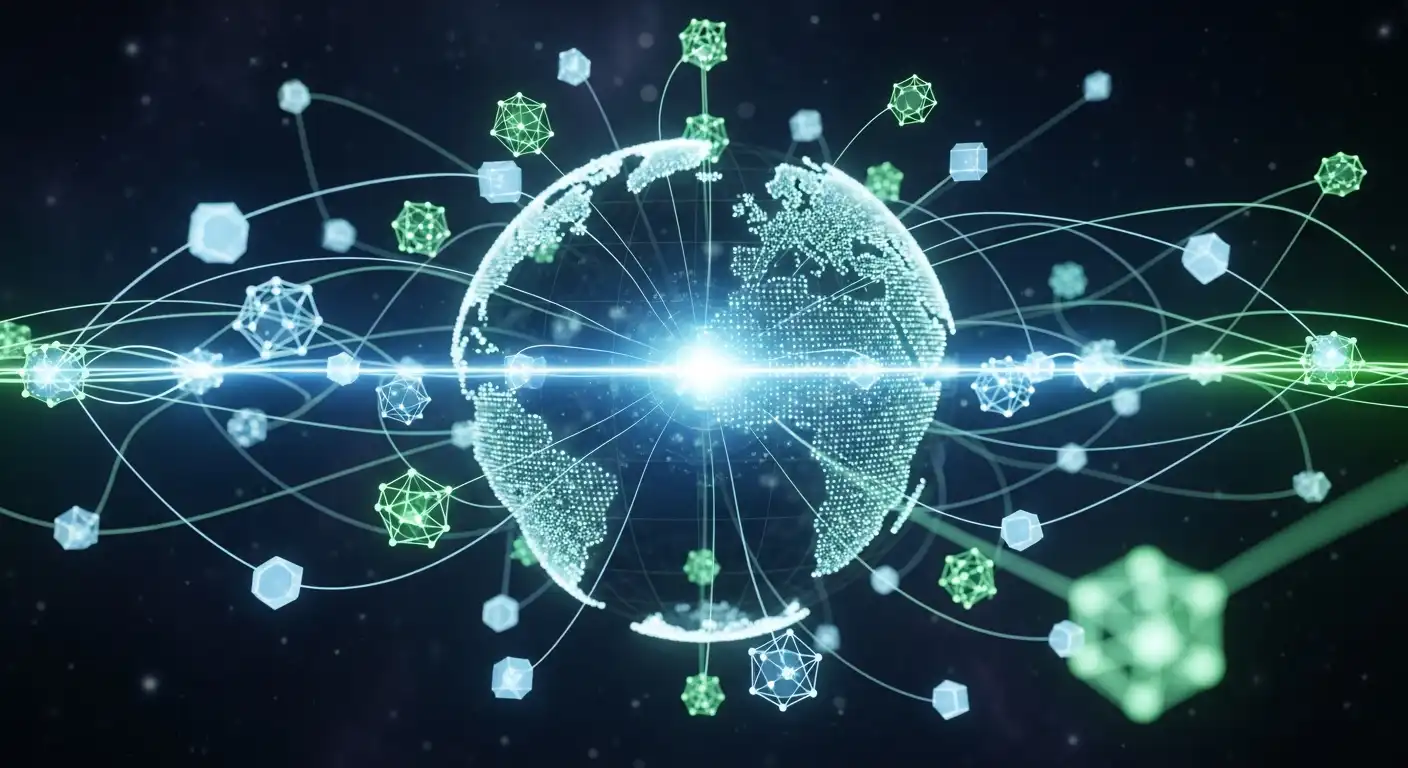
I sit at a busy tea stall, watching young people scroll through their phones. A few years ago, every single person here stared at the same three foreign apps. A handful of billionaires in California controlled our entire digital social life. They decided what news we read, who we talked to, and what products we bought. Today, that massive corporate monopoly is finally crumbling. We tore down the high walls of the old internet. We now live and talk inside a decentralized internet. This massive shift transfers the power away from giant server farms and hands it directly back to the everyday user.
Escaping the Billionaire Playgrounds
For over a decade, we acted like digital peasants. We rented tiny plots of land inside giant corporate estates. When a tech billionaire decided to change the app’s rules, we simply had to obey. If they decided to flood our daily feed with terrible advertisements, we just complained and kept scrolling. We had no real choice because all our friends lived inside that specific app. The decentralized internet destroys this trap. Today, nobody owns the network. Thousands of independent servers link together to form a massive, open web. If the owner of your specific server starts acting greedy or chagreedilyhe rules, you simply pack your bags and leave.
Taking Your Friends With You
In the old days, leaving a toxic social media app meant committing digital suicide. You lost your entire photo history, your daily memories, and your massive list of followers. The giant companies held your digital identity hostage. Decentralization completely fixes this broken system. We now possess true digital portability. Your digital identity belongs entirely to you, not to the platform. If you decide to move from a server in New York to a server hosted right here, you click one single button. Your entire profile, your friends list, and your history travel with you instantly. You never lose your voice just because you change your digital address.
Choosing Your Own Algorithm
The old tech giants built secret algorithms designed to control human behavior. They studied our worst habits and fed us content that made us angry, scared, or jealous. They knew angry people click more advertisements. In our new decentralized world, we fire the corporate algorithm. You now choose exactly how you want to see the world. You can install an algorithm that only shows posts in perfect chronological order. You can plug in a specific filter that completely hides political arguments and only shows you sports updates and local music. You control the dial. You tell the machine what to do, instead of the machine telling you how to feel.
The Death of the Viral Outrage Machine
When we take control of our own feeds, we starve the outrage machine. The old internet rewarded loud, aggressive, and hateful behavior. If someone posted a furious rant, the central computer pushed that rant to millions of screens to generate clicks. Decentralized social media lacks a single, giant computer that rewards bad behavior. People still argue, of course. Human nature never changes. But the network no longer artificially amplifies a massive drop in daily online hostility. People return to having normal, quiet conversations with their actual neighbors instead of screaming at strangers across the globe.
Local Communities Setting the Rules
Global platforms historically failed at local moderation. A content reviewer sitting in an office in Europe simply does not understand the deep cultural context of a political joke. They often deleted harmless local posts and ignored actual local threats. Decentralization pushes the rulebook down to the neighborhood level. A server hosted for university students in Sylhet sets its own strict cultural rules. A server built for local gamers sets a completely different standard. The community elects its own moderators. If someone breaks the local rules, the local users handle the problem immediately. We police our own streets.
Paying the Creators Directly
Musicians, writers, and artists suffered terribly under the old system. They built massive audiences, but the tech giants kept 90% of the advertising profit. Created the algorithm for a tiny scrap of money. The decentralized internet connects the artist directly to the fan. We use secure digital wallets to send micro-payments straight to the creators we love. If I read a brilliant article by a young journalist, I tap my screen and send her ten takas instantly. No foreign bank takes a cut. No corporate platform hides the money. We built a fair economy that actually pays the human beings who create the culture.
The Messy Reality of a Broken Ecosystem
We must look honestly at the difficult parts of this transition. Escaping a walled garden means walking into a wild jungle. The decentralized internet feels messy. Finding a specific friend requires more effort than typing a simple name into a single search bar. You have to understand how different servers connect. Bad actors also use this freedom to build dark, hidden servers where they share terrible things. Since no central police force exists, tracking down these digital criminals requires intense international teamwork. Freedom always brings a heavy dose of chaos, and everyday users must learn to protect themselves actively.
Conclusion
We finally grew up. We realized that trading our freedom for a smooth, shiny app was a terrible deal. Social media on a decentralized internet requires more daily effort from the average user. You must manage your own identity, pick your own algorithms, and actively support your local digital community. But this effort buys us absolute freedom. We no longer serve as unpaid data workers for foreign billionaires. We reclaimed our digital streets, our personal friendships, and our own minds. We built a social internet that actually acts socially again.