Key Points:
- President Trump will give a prime-time speech Wednesday night to update the public on the conflict.
- The President believes U.S. troops could leave Iran within two to three weeks now that nuclear goals are met.
- Gas prices in the U.S. have hit $4.02 a gallon as oil markets face their biggest monthly jump since 1988.
- Other countries must now take over the task of reopening the Strait of Hormuz shipping lanes.
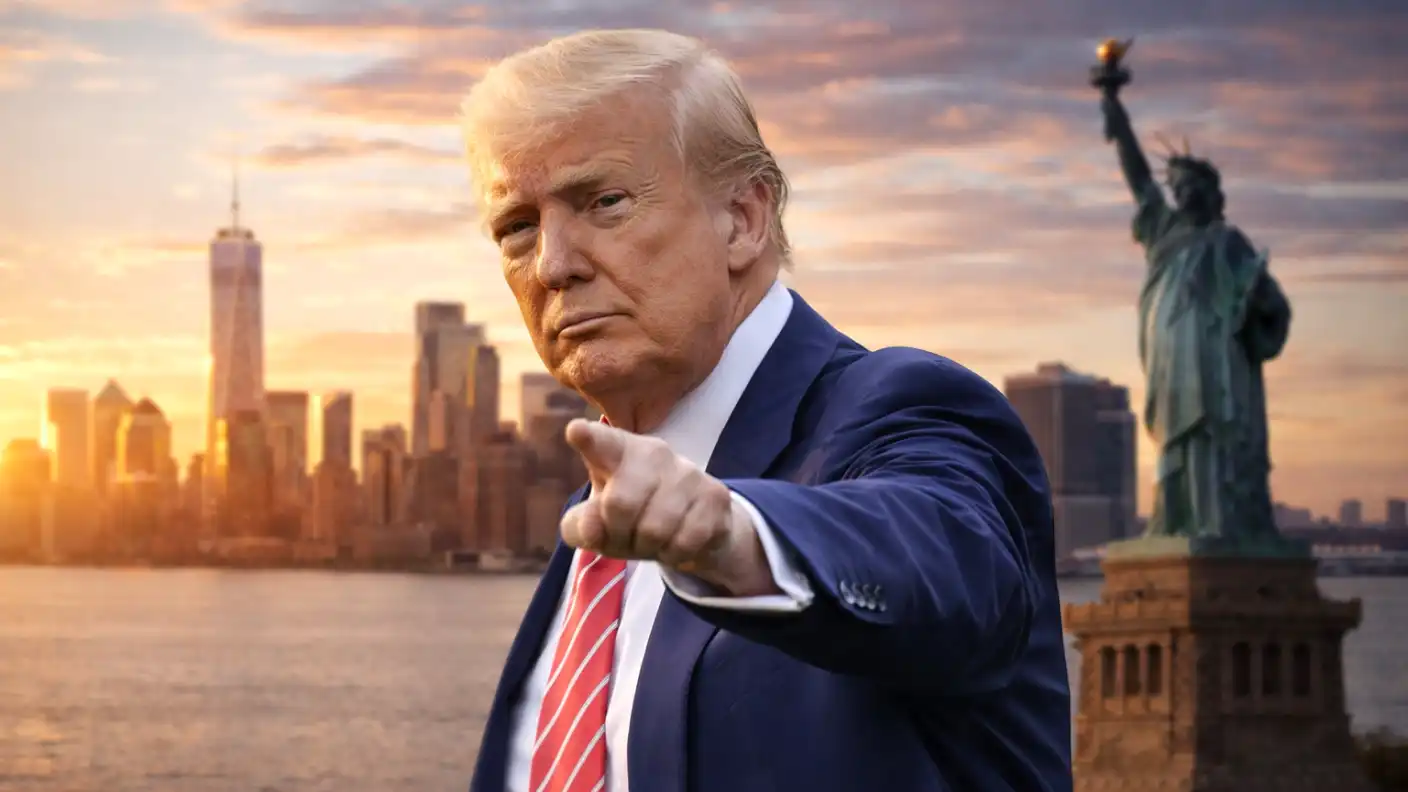
President Donald Trump plans to address the nation this Wednesday at 9 p.m. from Washington. He wants to give everyone an update on the war in Iran, which he believes is finally winding down. According to White House officials, the President thinks the U.S. has hit its main military targets and can start bringing troops home very soon.
During a talk with reporters on Tuesday, Trump said he sees the U.S. leaving the area in just two or three weeks. He argued that there is simply no reason to stay anymore. He claimed the U.S. successfully stopped Iran from getting nuclear weapons, even though the recent strikes also killed the country’s top leader and several high-ranking officials.
Trump made it clear that he does not even need a formal peace deal to pull out. He stated that since the U.S. military has crushed Iran’s strength, the country won’t be able to build a nuclear bomb for a long time. In his mind, once that threat is gone, the U.S. mission is over whether Tehran agrees to a signed deal or not.
However, the situation at the gas pump tells a much more painful story for regular people. While Trump talks about victory, oil prices just had their biggest monthly jump since 1988. The average price for a gallon of gas in the U.S. has hit $4.02, and diesel is even more expensive at over $5. This is driving up the cost of almost everything people buy at the grocery store.
There is also a big problem with the Strait of Hormuz, which is a vital path for the world’s oil. It remains mostly blocked, and Trump says he isn’t going to spend more U.S. resources to fix it. He told reporters that the other countries that use the water should be the ones to step up and reopen it themselves.
So far, the UAE is the only local neighbor that has offered to help with a naval force to clear the path. Bahrain is asking the United Nations for help, but Iran says it has no faith in any talks with Washington right now. Even if Trump announces a ceasefire, the mess in the shipping lanes might keep energy prices high for months to come.