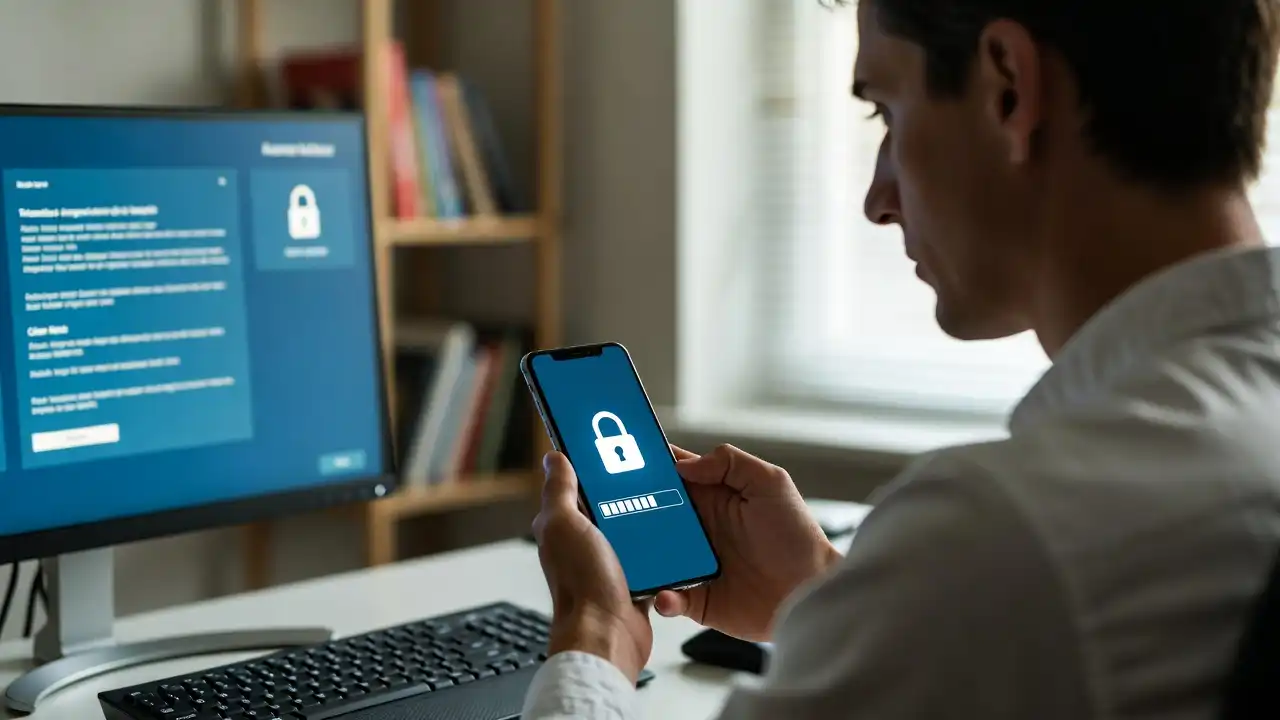
We carry the entire world in our pockets. Every movement, every conversation, and every private thought now leaves a digital trail. We linked our homes to smart cameras, our health records to cloud servers, and our daily routines to global data platforms. This hyperconnected existence brings incredible convenience, but it extracts a massive, hidden toll. We traded our anonymity for the privilege of being constantly tracked. In this era, privacy feels like a ghost—everyone talks about it, but nobody seems able to touch it. As we look ahead, we must decide whether we truly want to live in a glass house where the world watches us or rebuild the walls of our personal lives.
The Myth of “Nothing to Hide”
For a long time, people used a dangerous defense when asked about their privacy. They claimed they had “nothing to hide,” so they did not care if companies tracked them. This argument misses the point entirely. Privacy does not exist to hide crimes. Privacy exists to protect the human soul. When you know someone is watching you, you change your behavior. You stop searching for difficult questions. You stop reading controversial books. You stop being your true self. A hyperconnected world without privacy creates a global society of self-censoring people. We lose our creativity and our ability to dissent when we feel the constant, heavy weight of an invisible observer.
Turning Humans into Data Products
Global corporations now view human behavior as a raw material to be mined. They do not just provide services; they treat us as products. Your daily habits, shopping history, and location data feed into a massive machine that predicts what you will do next. This machine then sells those predictions to the highest bidder. We did not consent to this. We clicked “accept” on long, confusing contracts that nobody actually reads. By the time we understood the trap, the companies had already built digital twins of our personalities. They manipulate us with precision, nudging us toward specific products or political ideas without our conscious awareness.
The Fragility of Our Digital Trails
Every device we own acts like a tiny, persistent witness. Your smartphone knows exactly where you slept last night. Your smart speaker hears your whispered arguments with family members. Your doorbell camera records every single visitor who stands on your porch. We treat this data as if it were safe, but data breaches occur daily. Hackers easily break into these massive databases. Once your private information hits the dark web, it stays there forever. We cannot “reset” our home address or our health history like we reset a lost password. The permanence of digital information makes the current lack of privacy a generational catastrophe.
Decentralization as the Only Defense
We cannot rely on the goodwill of tech giants to keep our secrets. They build their empires on data extraction; they will never stop unless we force them. The solution lies in a decentralized internet. We must move away from giant, central servers that hold the data of billions of people in one single, vulnerable spot. New technology allows us to store our data in private, encrypted vaults on our devices. When a service needs your information, it must ask for your specific permission. It sees only what you decide to show it, and it keeps nothing once the transaction ends. This shift puts the power back into our hands.
Privacy by Design in Every Device
Manufacturers have spent decades designing gadgets that spy on us by default. They enable the microphones and location trackers the moment we pull the device out of the box. We need a global movement for “privacy by design.” This means a device should remain silent and dark until the user explicitly turns on a feature. We should demand hardware with physical switches that disconnect microphones and cameras. If the user does not want the device to see or hear, the hardware should make that physical impossibility real. We must stop trusting software “off” switches and start trusting physical, tactile controls.
Legislation That Matches the Speed of Code
Governments have historically failed to protect us because they move too slowly. By the time a law passes, the technology has already evolved three times over. We need global, agile privacy standards that punish companies for the intent of their data collection, not just the technical details. If a company uses your data to manipulate your behavior or harm your reputation, the legal consequences must be swift and painful. We need massive fines that actually hurt the tech giants’ bottom lines, and we need laws that allow individuals to sue for the misuse of their digital lives.
The Global Struggle for Digital Borders
Data flows across oceans in a blink. This makes privacy a global challenge that requires global cooperation. A tech company might treat its users with respect in one country while aggressively stripping users’ privacy in another. This double standard creates a tiered system of human rights. We must push for international agreements that treat digital privacy as a fundamental human right. We should demand that every company adhere to the highest level of privacy protection, regardless of where the user lives. No one should be treated as a second-class citizen in the digital world.
The Human Right to Disconnect
Finally, we must recognize that we have a right to be unreachable. Constant connectivity forces us into a state of perpetual work and perpetual stress. We need to normalize the act of going “offline.” This means creating social and professional norms where not answering an instant message at midnight is perfectly acceptable. We need to treat our time and our attention as limited, sacred resources. If we cannot choose when to turn off the connection, we lose the most important aspect of our privacy: the freedom just to be ourselves, away from the watching eyes of the world.
Conclusion
The hyperconnected world offers us incredible miracles, but we have reached a breaking point. We allowed our privacy to wither away in exchange for a few convenient apps and fast digital services. Now, we must fight to reclaim that space. By embracing decentralized tools, demanding privacy-first design, and holding global corporations accountable for respecting our digital boundaries, we can still build a future that is both connected and free. We do not have to live inside a digital fishbowl. We can learn to use the tools without becoming the tools ourselves. The time has come to shut the windows, lock the digital doors, and regain our right to be left alone.