Key Points:
- Iran maintains strict control over the Strait of Hormuz after 5 weeks of military conflict.
- The blockade disrupts 20% of global oil trade and rapidly drives up everyday energy prices.
- Tehran plans to charge permanent passage fees to fund its massive post-war reconstruction projects.
- The White House pushes NATO and Gulf allies to take over immediate maritime security duties.
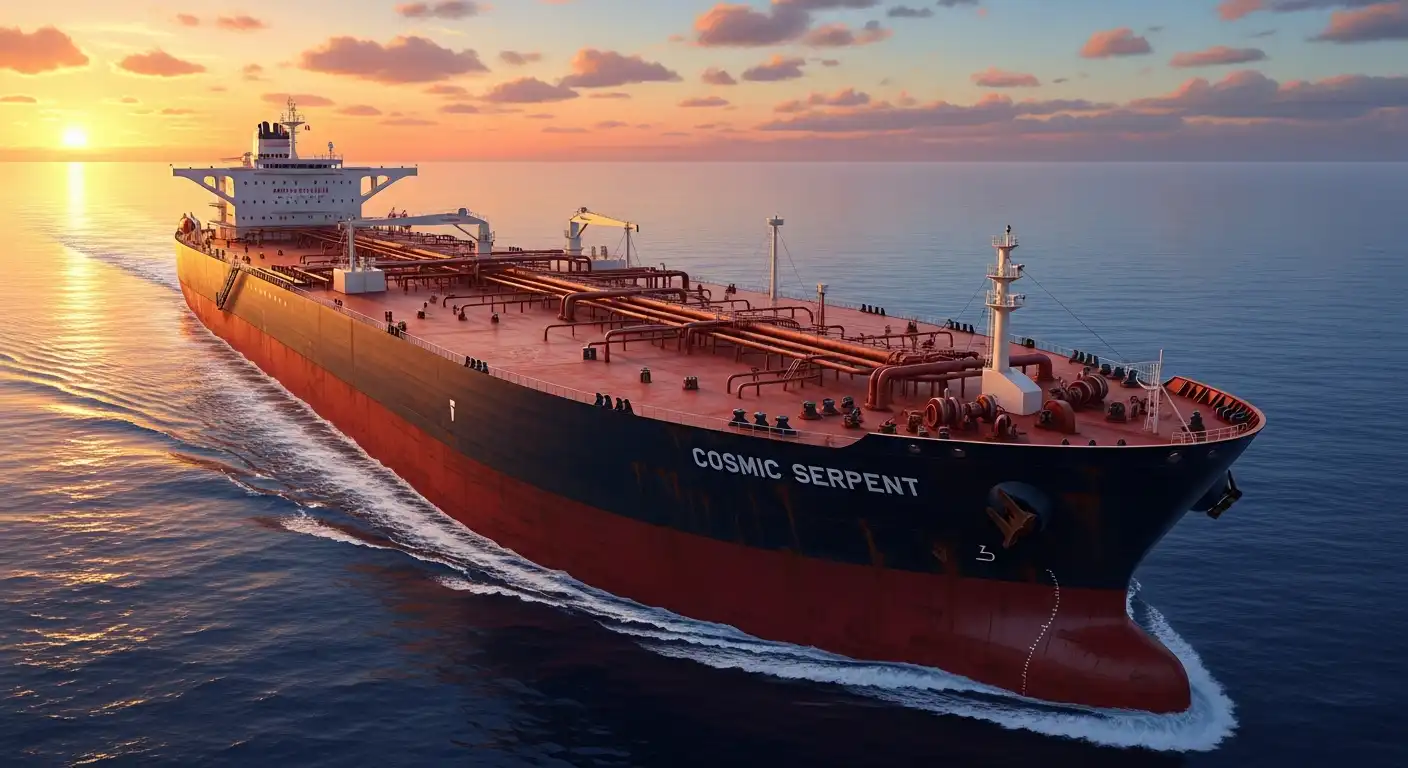
Recent United States intelligence reports reveal that Iran plans to maintain its strict grip on the Strait of Hormuz for the foreseeable future. Tehran sees its physical control over this vital oil chokepoint as its strongest leverage against Washington. Government officials say Iran wants to keep global energy prices high purposely. This aggressive strategy applies massive economic pressure on President Donald Trump and forces his administration to seek a swift, favorable end to the 5-week-old military conflict.
American military planners originally launched the campaign to strip away Iranian influence across the Middle East. However, national security analysts warn that the military action achieved the exact opposite result. Iran is now aggressively blocking a waterway that carries roughly 20% of the world’s daily oil supply. Industry experts call this tactic a massive weapon of mass disruption. Some top defense officials argue this economic chokehold gives Tehran more immediate, destructive power than a fully functional nuclear weapons program.
The ongoing shipping blockade has shocked global markets, adding roughly $15 per barrel and sending crude oil prices to 4-year highs. American drivers already feel the sharp pain at the gas pump, which directly fuels deep inflation fears across the United States. This economic squeeze hits at the worst possible time for the Republican Party. Lawmakers face critical midterm elections this November. High everyday energy costs almost always anger voters and cause massive damage to the political party holding the White House.
Reopening the 21-mile-wide transit point presents a massive tactical nightmare for the Pentagon. Military commanders cannot simply bomb the area and clear the shipping lanes in a single afternoon. Even if American ground troops successfully capture the immediate coastal territories, the Islamic Revolutionary Guard Corps still holds a massive strategic advantage. Iranian forces can easily launch cheap, low-tech drones and long-range missiles from bases located up to 100 miles deep inside their own mainland to destroy incoming commercial ships.
Ali Vaez from the International Crisis Group points out exactly how simple and effective the Iranian strategy really is. He notes that Iranian military operators only need 1 or 2 drones to scare away massive, multi-million dollar oil tankers. This extreme asymmetrical risk completely frightens the global shipping industry. Major insurance companies now refuse to cover commercial carriers that try to navigate the dangerous waters. This total insurance freeze effectively shuts down the entire trade route, even without a visible Iranian navy blockade.
Intelligence agencies also warn that Iran looks far past the current 5-week conflict. Tehran wants to turn this temporary military blockade into a permanent, highly profitable business operation. Former CIA Director Bill Burns recently noted that Iranian leaders want to impose mandatory passage fees on every ship that crosses the strait. Iran plans to use these additional millions in revenue to fund extensive post-war reconstruction projects across the country.
Beyond the immediate financial gains, Iran sees this newfound maritime power as a permanent diplomatic shield against Western powers. Tehran plans to hold the global oil market hostage until Washington agrees to ironclad security guarantees. Iranian negotiators will likely demand these long-term protections and strict military deterrence measures in any final peace treaty they sign with the United States.
The White House continues to project extreme optimism despite the grim intelligence assessments. Administration officials tell reporters the President feels confident the shipping lanes will resume normal commercial operations very soon. However, Washington clearly wants to change how the world polices the region going forward. American diplomats now demand that NATO allies and wealthy Gulf nations step up and take direct charge of maritime security, since those countries rely much more heavily on Middle Eastern oil imports.
This shifting diplomatic strategy shows the tough reality facing American negotiators today. The United States desperately needs to reopen global trade routes and lower domestic gas prices before voters head to the polls in November. At the same time, military leaders know they simply cannot afford to drag the country into a bloody, expensive ground war to secure a single stretch of water.