Key Points:
- The Federal Communications Commission will vote on April 30 to stop all Chinese laboratories from testing electronic devices destined for the United States.
- Currently, laboratories located in China test roughly 75% of all electronics, including smartphones, computers, and digital cameras.
- Last year, the regulatory agency blocked 23 specific testing facilities owned directly by the Chinese government due to national security concerns.
- The government recently proposed a total ban on the import of older electronic equipment from major Chinese brands such as Huawei and ZTE.
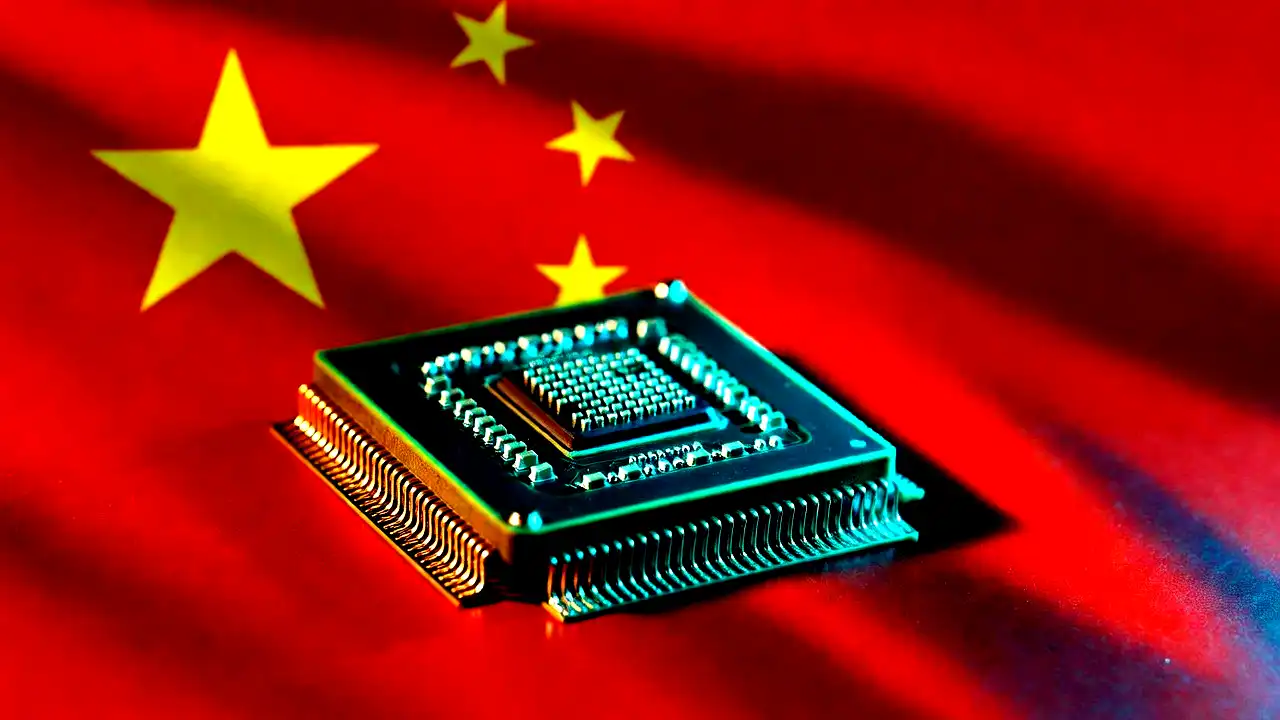
The Federal Communications Commission plans to expand its massive crackdown on Chinese technology. On Wednesday, the regulatory agency announced it will vote later this month on a strict new proposal. This plan would permanently block all Chinese laboratories from testing electronic devices destined for the United States market. If the measure passes, it will affect thousands of everyday products, including smartphones, digital cameras, and personal computers.
This new proposal drastically widens a previous government action that specifically targeted Beijing. Just last year, the regulatory agency officially banned laboratories owned or directly controlled by the Chinese government from testing American electronics. That initial ruling successfully blocked 23 different testing facilities from touching American devices. However, the agency quickly realized that a substantial majority of independent, China-based testing labs continue to test electronics for the United States market.
The scale of overseas testing remains absolutely massive. According to the Federal Communications Commission, workers in China currently test about 75% of all electronics sold worldwide. Moving this massive volume of testing away from Asia will require a major logistical shift for technology manufacturers. The agency scheduled the official vote on this new proposal for April 30. Following the vote, officials will collect public comments before they finalize the absolute prohibition.
To help companies adjust to these strict new rules, the agency plans to offer a faster alternative. Before taking the final vote to ban all Chinese testing, the commission will hold a separate vote to adopt a streamlined approval process. This new fast-track system will specifically reward companies that test their devices inside United States laboratories. The agency will also extend this faster approval process to laboratories in allied countries that pose no national security risks. The Chinese embassy located in Washington declined to offer any immediate comment regarding the upcoming votes.
This laboratory ban represents just the latest aggressive move by Washington to squeeze Chinese technology and electronic equipment out of the country. Just last Friday, the agency proposed another massive rule to ban the import of older Chinese equipment from a specific group of prominent manufacturers. The government previously barred these exact companies from seeking approvals for brand-new device models back in 2022.
The fight against these specific manufacturers started a few years ago. In 2021, the agency added several massive telecommunications and video surveillance companies to its official covered list. This list identifies foreign corporations that pose severe national security risks to the United States. The government added industry giants like Huawei, ZTE, Hytera, Hikvision, and Dahua to this restricted category.
While the 2022 order successfully stopped these companies from selling new models, they continued to sell older, previously approved devices. The proposal announced last Friday seeks to close that exact loophole. It would completely bar the importation of any equipment from these listed Chinese firms, even if the government originally approved those items for sale before the 2022 order took effect.
The targeted companies refuse to accept these new restrictions quietly. Representatives from Hikvision stated clearly that the company opposes the agency’s attempt to retroactively revoke prior lawful authorizations. Despite the corporate pushback, the government continues to aggressively block different categories of foreign technology from crossing the border.
The regulatory agency maintains a very busy schedule of banning foreign electronics. Last December, the commission officially banned the import of all new models of Chinese drones. Just last month, the agency expanded its reach again, banning the import of brand-new models of Chinese-made consumer routers. These small boxes connect personal computers, mobile phones, and smart home devices directly to the internet, making them a prime target for security regulators.
Looking back at the historical timeline, the Federal Communications Commission has consistently fought to remove Chinese influence from the American digital landscape. The agency previously barred several Chinese telecommunications companies from providing basic cellular and internet services inside the United States. As the April 30 vote approaches, the technology industry braces for a new era in which American devices must remain far from Chinese testing facilities.