Key Points:
- The European Union reached a preliminary agreement to cut foreign steel imports nearly in half.
- Government officials will impose sharply higher tariffs on any steel shipments that exceed the new limits.
- European steel factories currently operate at only 65% capacity due to a flood of cheap imports.
- The new protective measures aim to bring European steel factory output back up to at least 80% of capacity.
The European Union took aggressive action on Monday to protect its domestic manufacturing base. Government leaders reached a preliminary agreement on a sweeping set of new trade measures designed to save the struggling European steel industry. The new rules will force a massive reduction in foreign steel entering the continent. Under the proposed plan, the bloc will nearly halve the total amount of steel imported from outside countries.
To enforce these strict new limits, the European Union plans to use heavy financial penalties. The agreement includes provisions to impose sharply higher tariffs on any excess shipments. If a foreign country tries to dump cheap steel into the European market beyond the newly established quotas, it will face massive border taxes. This move aims to make imported steel much more expensive than steel produced locally within the bloc.
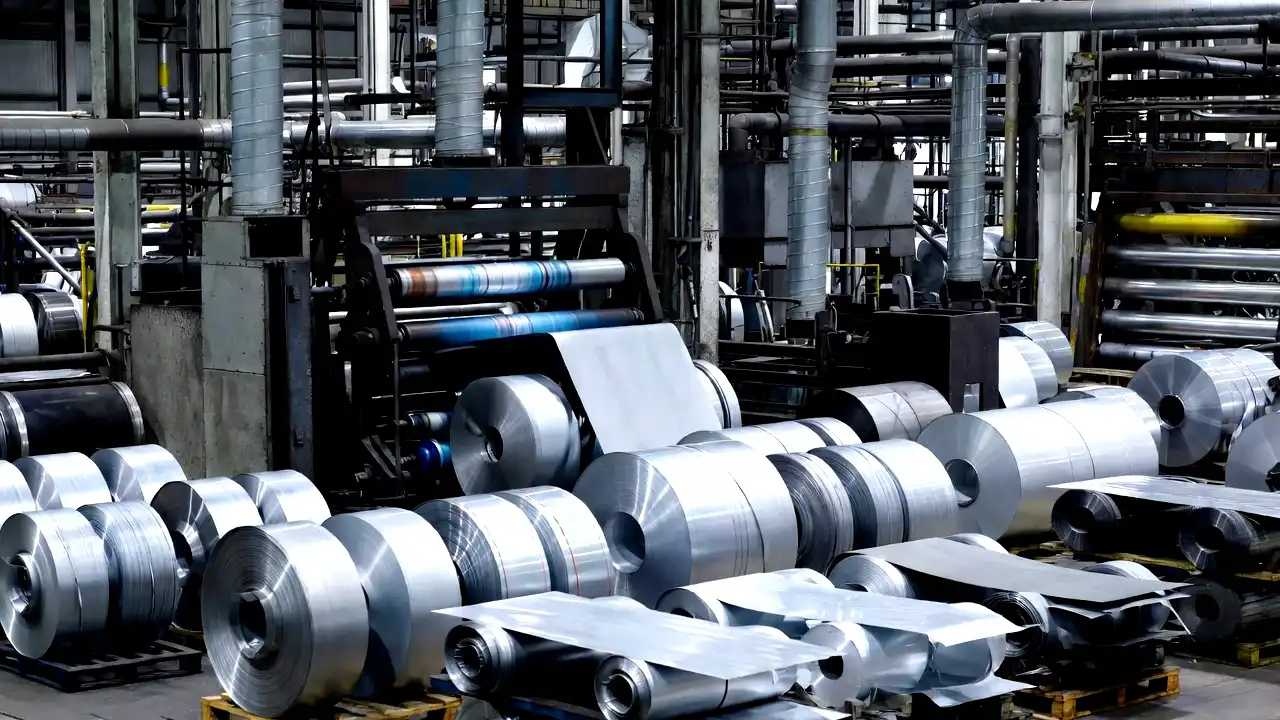
European steel producers currently face an existential crisis. Factories across the continent are operating at only 65% of their total capacity. A massive flood of cheap steel imports from foreign countries continues to undercut local European prices. Because manufacturers cannot sell their products at competitive prices, many factories have scaled back production, shut down massive furnaces, and laid off thousands of skilled workers.
The crisis worsened significantly following aggressive trade actions taken by the United States. US President Donald Trump recently imposed a massive 50% tariff on foreign steel entering America. This massive tax essentially closed the American market to many global steel producers. As a result, countries that normally sold their steel to the United States quickly diverted their massive shipments to Europe instead. This sudden redirection flooded the European market with excess metal, crashing prices and devastating local mills.
European leaders realized they had to act quickly to prevent the total collapse of their domestic steel industry. The new protective measures aim to reverse the damage and get local factories running again. By artificially cutting off the supply of cheap foreign steel, the European Union hopes to drive up local demand. Officials designed the new quotas specifically to push domestic factory capacity utilization back up from 65% to a healthy 80%.
Reaching 80% capacity is critical to the industry’s survival. Steel mills require massive amounts of energy and money just to keep their blast furnaces running. When a factory operates below 80% capacity, it struggles to turn a profit and cover its basic operating costs. If the new tariffs work as intended, European steelmakers will finally sell enough metal to stabilize their businesses and protect local manufacturing jobs.
The preliminary agreement still needs final approval before it officially takes effect. However, the rapid consensus among European leaders shows exactly how seriously they view the current trade threat. The European Union has decided it will not allow its domestic industries to become collateral damage in a global trade war. By erecting its own massive tariff walls, Europe is signaling to the world that it will aggressively defend its economic borders.