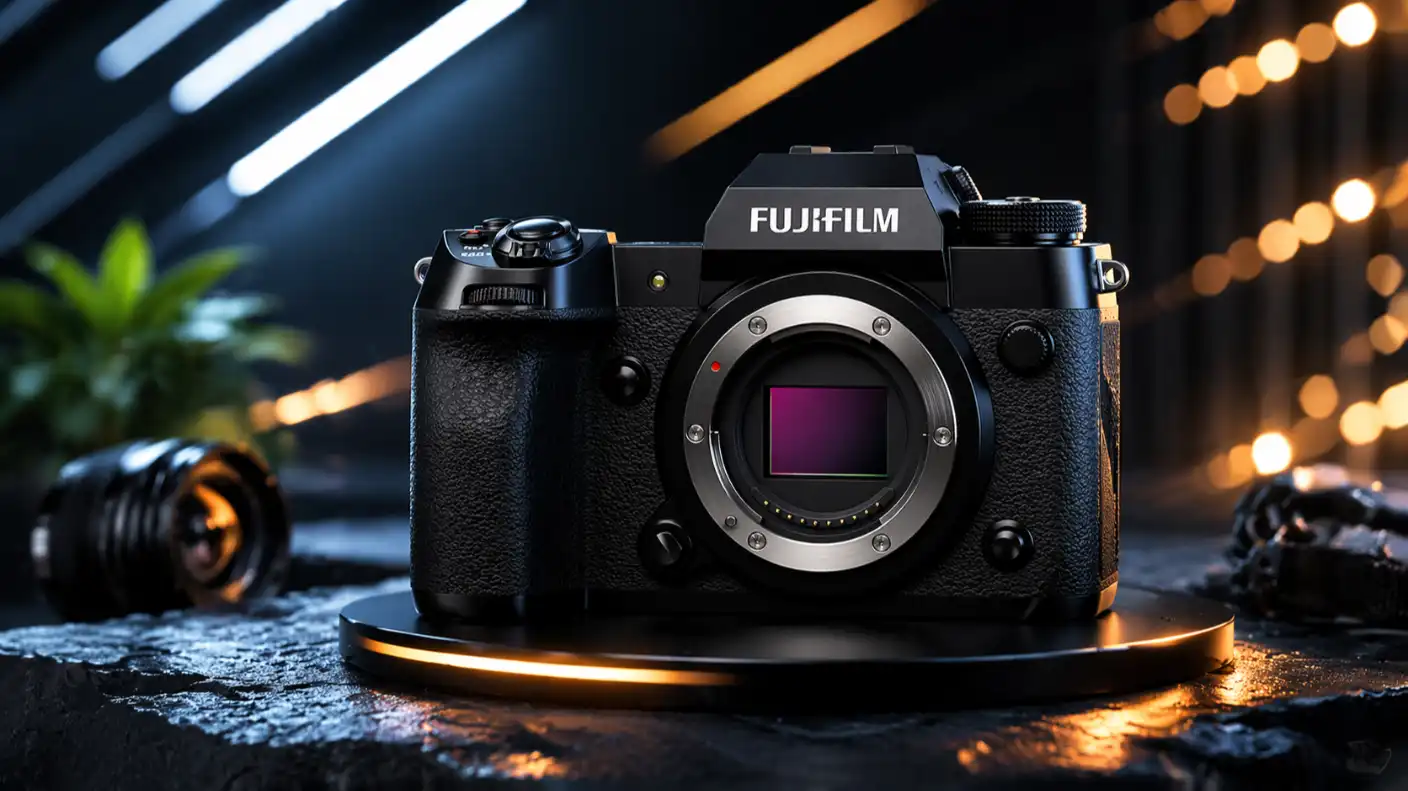
In the world of photography, some cameras are built for portraits, some for sports, and others for studio work. Rarely do we see a body that masters every category with such ruthless efficiency. The Fujifilm X-H3 remains a landmark in mirrorless history, serving as the bridge between Fujifilm’s beloved “vintage-style” street cameras and the hardcore, high-speed performance required by professional videographers and sports photographers.
Even in 2026, the X-H3 stands as a testament to Fujifilm’s commitment to internal processing speed and raw sensor capabilities. Whether you are a content creator chasing 4K/60fps video or a wildlife photographer needing a reliable burst rate, this camera offers a robust, weather-sealed platform that feels at home in any professional kit bag.
What is the Fujifilm X-H3?
The Fujifilm X-H3 is a high-performance, weather-sealed mirrorless camera utilizing a 26.1-megapixel X-Trans CMOS 4 sensor. Unlike the more compact X-T series, the X-H3 was designed with a deep, ergonomic grip, a top-plate status LCD, and a high-resolution EVF, making it feel more like a mini-DSLR than a traditional rangefinder-style Fujifilm body.
At the time of its release, the X-H3 was the first in the X-series to introduce the X-Processor 4, which significantly boosted autofocus speed, subject tracking, and video readout speeds. It is the ultimate “workhorse” camera for those who value speed and handling above the retro-inspired dials of its siblings.
Key Features and Capabilities
Fujifilm engineered the X-H3 to be a hybrid master, prioritizing a clean, detailed image pipeline and a mechanical build that can withstand harsh environments. The focus was on removing bottlenecks in the data path, allowing for high-bitrate video and rapid-fire photography.
High-Speed Performance and Autofocus
The X-H3 is built for action, featuring an autofocus system that covers nearly 100% of the frame with phase-detection pixels. This ensures that even when shooting erratic subjects, the camera locks on with impressive tenacity.
The camera’s burst rate and buffer depth make it a top choice for those who cannot afford to miss the decisive moment.
- Mechanical Burst: Shoots up to 11fps with the mechanical shutter for reliable action captures.
- Electronic Burst: Rockets up to 20fps, or 30fps with a 1.25x crop, ideal for capturing fast wildlife movement.
- Face and Eye Detection: A robust tracking algorithm that remains reliable even when the subject is moving toward or away from the camera.
Professional-Grade Video Pipeline
Before many competitors had mastered the format, the X-H3 was already supporting 4K/60 fps internal recording. It remains a favorite among budget-conscious filmmakers who want high-end color science without an external recorder.
The video output is characterized by Fujifilm’s legendary color science, which drastically reduces the time spent on color grading in post-production.
- 10-bit Internal Recording: Captures a massive amount of color data directly to the SD card, perfect for log workflows.
- F-Log Gamma: Offers a flat profile that maximizes dynamic range for professional color grading.
- No 4K Crop: Records 4K/60fps using the full width of the sensor, maintaining the native focal length of your lenses.
Advantages and Disadvantages
Deciding on the X-H3 today means evaluating its mature feature set against the newer AI-driven capabilities of 2026 mirrorless cameras. Here is a breakdown of the specific strengths and challenges you will encounter.
Advantages
The following highlights explain why the X-H3 remains a sought-after professional tool on the secondary market and a capable companion for working photographers.
- Ergonomic Dominance: The deep grip and well-placed buttons make it significantly more comfortable to hold for long wedding days or sports shoots than the X-T series.
- Film Simulation Variety: Access to Fujifilm’s full suite of iconic film simulations (like Eterna and Classic Chrome) creates a signature “in-camera” look.
- Weather Sealing: A robust magnesium alloy body that handles rain, dust, and freezing temperatures with ease.
Disadvantages
These limitations are important to note, especially when comparing them to modern AI-integrated bodies that have launched in the last two years.
- Lack of IBIS: Unlike the X-H1 or the later X-H2, the X-H3 lacks In-Body Image Stabilization, requiring stabilized lenses for handheld video.
- Battery Life: While competent, it doesn’t match the long-term endurance of modern high-capacity batteries found in 2026 models.
- No Subject Recognition: The autofocus system is phase-detection-based but lacks the AI-driven “Deep Learning” subject detection (e.g., specific bird/car recognition) found in newer cameras.
Final Verdict: Is It Still Worth It?
The Fujifilm X-H3 remains a highly capable machine for the serious photographer. While it may lack the AI-assisted autofocus and In-Body Image Stabilization found in the newest generations, its core image quality, robust build, and professional video specs remain top-tier.
If you are a photographer who prioritizes tactile handling and reliable performance over the latest AI features, the X-H3 is an exceptional value. It doesn’t do your work for you, but it provides a clean, fast, and incredibly reliable canvas for your creative vision. It is truly a modern classic that continues to earn its keep in professional bags worldwide.