Key Points:
- The United States and Iran are using opposing naval blockades to gain leverage after peace talks stalled.
- President Donald Trump extended the current ceasefire indefinitely while waiting for a new peace proposal from Iran.
- Iran continues to keep the Strait of Hormuz closed to international traffic, causing global oil prices to top $101 a barrel.
- The US military maintains a strict naval blockade on all ships traveling to and from Iranian ports.
The United States and Iran are locked in a dangerous maritime standoff. Both nations are aggressively using naval blockades to choke off critical waterways and gain leverage during an extended ceasefire. The situation escalated after both sides completely failed to meet for a highly anticipated fresh round of peace talks in Islamabad this week.
President Donald Trump announced that the fragile truce, originally agreed upon on April 7, would stay in place indefinitely. He stated that Washington is currently waiting for Iran to submit a brand new peace proposal. However, Tehran shot back, claiming it has absolutely no plans to take part in any imminent negotiations. US Vice President JD Vance was fully prepared to fly to Islamabad on Tuesday to resume the direct discussions. He canceled the trip right before departure when it became crystal clear that Iran would refuse to send its own diplomatic delegation.
The military tension on the water is intense. The US maintained a strict naval blockade on all commercial ships going to and from Iran’s ports to pile maximum economic pressure on the Islamic Republic. Iranian Foreign Minister Abbas Araghchi angrily called the American move a direct violation of the ceasefire agreement. Iranian President Masoud Pezeshkian took to social media, stating that while Iran always welcomes peace talks, the aggressive American blockade and constant military threats serve as the main obstacles to real diplomacy.
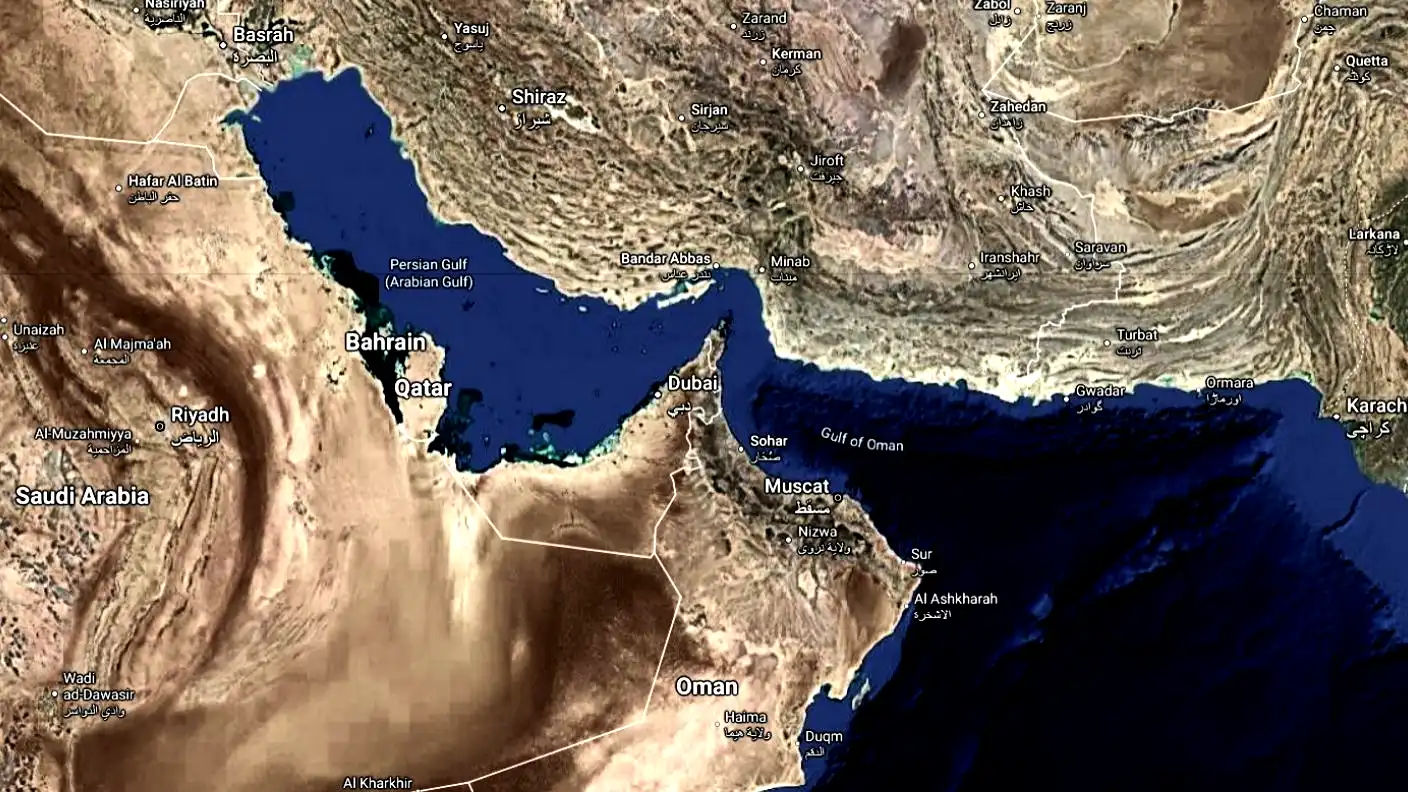
In retaliation, Iran is keeping the vital Strait of Hormuz completely closed to almost all other international shipping traffic. The situation turned violent on Wednesday when Iranian gunboats actively fired on commercial ships attempting to navigate the strait.
Trump’s decision to extend the ceasefire represented a major climb-down from his earlier rhetoric. He previously threatened to resume the massive bombing of Iran if diplomats could not reach a final deal by a strict Wednesday deadline. Resuming the bombing would have instantly revived a brutal war that had already killed thousands of people and sent global energy prices skyrocketing.
Despite the extended truce, there is currently no sign that Iran will reopen the Strait of Hormuz to critical oil and liquefied natural gas shipments anytime soon. This prolonged closure drastically increases the likelihood of severe global supply shortages and a massive inflation crisis. Before the war started, roughly a fifth of the world’s oil and LNG was shipped safely through this exact waterway, along with massive supplies of key commodities used in agricultural fertilizer production.
Trump publicly blamed deep political divisions among the Islamic Republic’s top leaders for the frustrating delay. He noted that these internal Iranian divisions forced him to extend the truce, though Fox News reported that the extension might last only five days. Aside from the massive fight over Hormuz, the two sides remain incredibly far apart on major long-term issues. They still cannot agree on the future status of Iran’s nuclear and missile programs or how to handle Iran’s financial support for militant proxy groups spread across the Middle East.
Despite the gridlock, Trump highlighted a small diplomatic victory on Wednesday. He announced that Iran had heeded his direct calls and agreed not to execute eight female political protesters. In a social media post, the president confirmed that four of the women would be released from custody immediately. At the same time, the other four received light sentences of just one month in prison. Trump wrote that he greatly appreciated that Iran and its leaders respected his personal request.
However, Iran’s core demands remain unchanged. Tehran insists it will not reopen the Strait of Hormuz, which has been effectively shut since the war began at the end of February, until the US completely ends its naval blockade. State TV reported Wednesday that Tehran is closely monitoring all military developments on the ground. Foreign Ministry spokesman Esmail Baghaei confirmed that the Iranian armed forces remain fully prepared for a comprehensive and decisive defense against any further American threats.
The economic fallout is already hitting American consumers. Oil prices climbed sharply on Wednesday, with Brent crude trading above $101 a barrel. Futures for the global benchmark have jumped a staggering 37% since the war originally started. This massive surge pushed US gasoline pump prices to their highest level in almost four years, putting intense domestic political pressure on Trump to finally resolve the conflict and lower prices for voters.
The situation in the Strait remains highly dangerous. The UK Maritime Trade Operations group confirmed that both a cargo ship and a container ship came under direct Iranian fire in the waterway on Wednesday. Iranian state TV later reported that the Islamic Revolutionary Guard Corps actually seized two ships in Hormuz and dragged them to shore for forced inspections. The US Navy also escalated the fight, officially firing upon and seizing an Iranian cargo ship in the Gulf of Oman on Sunday. Until diplomats can break the stalemate, the vital shipping lanes will remain a dangerous war zone.