Key Points:
- Global shipping costs spiked rapidly during the first 50 days of the ongoing Iran war.
- Airlines slashed cargo flights and raised fees as jet fuel prices nearly doubled.
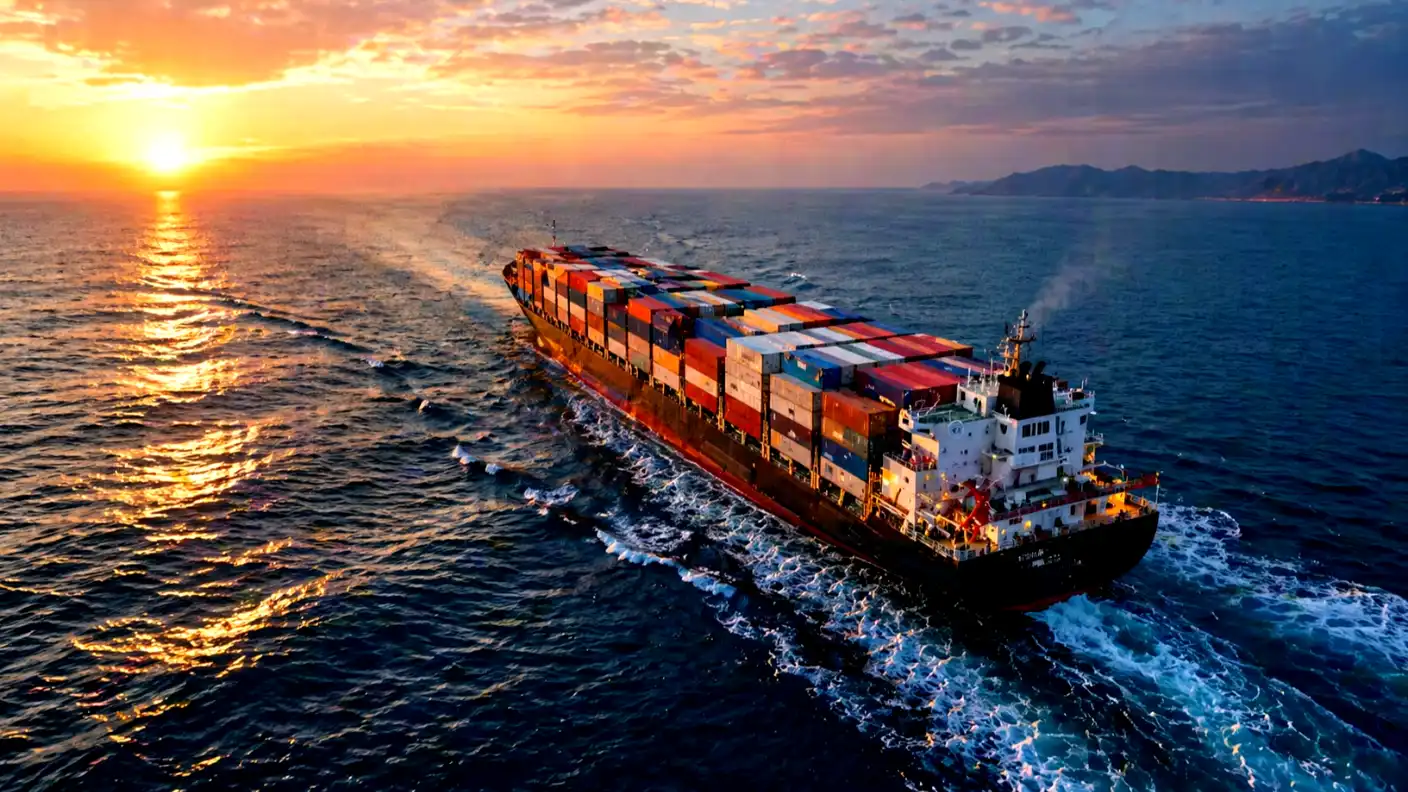
- Cargo ships continue to avoid the Red Sea, taking a long detour around Africa.
- Spiking oil prices are pushing trucking and delivery rates significantly higher worldwide
The war in Iran has hit the 50-day mark, and global supply chains are under massive pressure. Analysts at Bernstein report that companies now pay much more to move their products around the world. Air spot rates jumped by roughly 30%, and ocean freight costs are much higher than before the conflict started.
Moving goods through the sky costs a fortune right now. Qatar Airways and Emirates normally handle about 11% of global air cargo traffic. However, both airlines drastically cut their operations. Qatar Airways dropped its flights to 60% of normal levels, while Emirates cut back to 74%. At the same time, jet fuel costs nearly doubled. These deep cuts and high fuel prices pushed the average airfreight rate up to roughly $3.30 per kilogram in January 2026.
Interestingly, airlines transport less freight but make more money. During March and April, the total weight of air cargo dropped between 5% and 10%. Yet airline revenues actually grew in the low- to mid-teens over the same period. Companies achieved this surprising revenue growth by charging customers heavy extra fees to cover fuel, insurance, and staffing costs.
Ocean shipping tells a very similar story of rising expenses. Bernstein noted that the Shanghai Containerized Freight Index soared 42% since mid-February. Similarly, the Drewry World Container Index climbed 18%. Retail companies pay these high premiums just to secure a spot on a working cargo ship.
Despite the high shipping costs, the actual number of containers moving across the ocean dropped. Overall, ocean volumes fell 3% during January and February. Analysts blame some of this volume drop on tough year-over-year comparisons, right before governments announced new trade tariffs in April 2025.
The war creates specific bottlenecks for the shipping industry. The Strait of Hormuz handles about 2% of global container traffic, but the conflict heavily impacts the busy Jebel Ali port in Dubai. Because container ships do not rely on this specific strait as much as oil tankers do, they manage to avoid the worst direct hits from the naval war.
However, the broader region remains much too dangerous for standard shipping routes. Container lines completely refuse to sail through the Red Sea. Instead, they send their ships on a long detour around the Cape of Good Hope when traveling between Asia and Europe. Bernstein analysts say shipping companies will not return to the Red Sea anytime soon because Houthi fighters strongly support Iran. This long detour ties up available ships and delays global deliveries.
Shipping companies plan to build more ships to handle these long trips. Industry experts forecast the supply of new ships will grow by 2.4% in 2026. They expect fleet growth to accelerate to 6.9% in 2027 and reach 9.6% in 2028. This rapid fleet expansion is outpacing actual consumer demand for physical products.
Moving goods on land costs more money, too. Spot truckload rates, which do not even include fuel costs, spiked 24% in February compared to the previous year. Those rates climbed 19% in March and jumped another 25% during the first few weeks of April. Stricter government rules and high diesel fuel prices put massive pressure on trucking carriers across the nation.
Executives at logistics giant J.B. Hunt Transport Services noticed this massive shift in the market. During their recent earnings call, company leaders told investors that the freight environment feels very different from what it did over the past few years. They noted that the trucking industry finally sees a real, supply-driven recovery gaining steam.
Global oil prices drive much of this rising inflation. Oil prices have surged by $25-$30 per barrel since the war started. This massive jump in crude oil makes every single mode of transportation more expensive. Meanwhile, global manufacturing shows signs of strong life. March purchasing managers’ indices hit 52.7 in the United States and 50.8 in China. Europe reached 51.6, hitting its highest mark in nearly three years.
Financial analysts use this market data to pick winning stocks. Bernstein tells investors to buy shares of logistics company DSV, setting a price target of 2,100 Danish krone. They also favor FedEx and UPS, setting price targets of $470 and $130. However, Bernstein warns investors to avoid shipping giant Maersk. They set a low target of 10,700 Danish krone for Maersk because the company faces a tough container market and holds too many orders for new ships.