Key Points:
- U.S. President Donald Trump rated his October meeting with Chinese President Xi Jinping a 12 out of 10, expecting an end to trade retaliation.
- Beijing enacted sweeping new laws to seize assets and punish foreign companies that move their supply chains out of China.
- The United States threatened to impose sanctions on Chinese purchases of Iranian oil, which account for 80% of Iran’s total oil exports.
- China now demands that local chipmakers buy at least 50% of their new equipment from domestic suppliers rather than foreign companies.
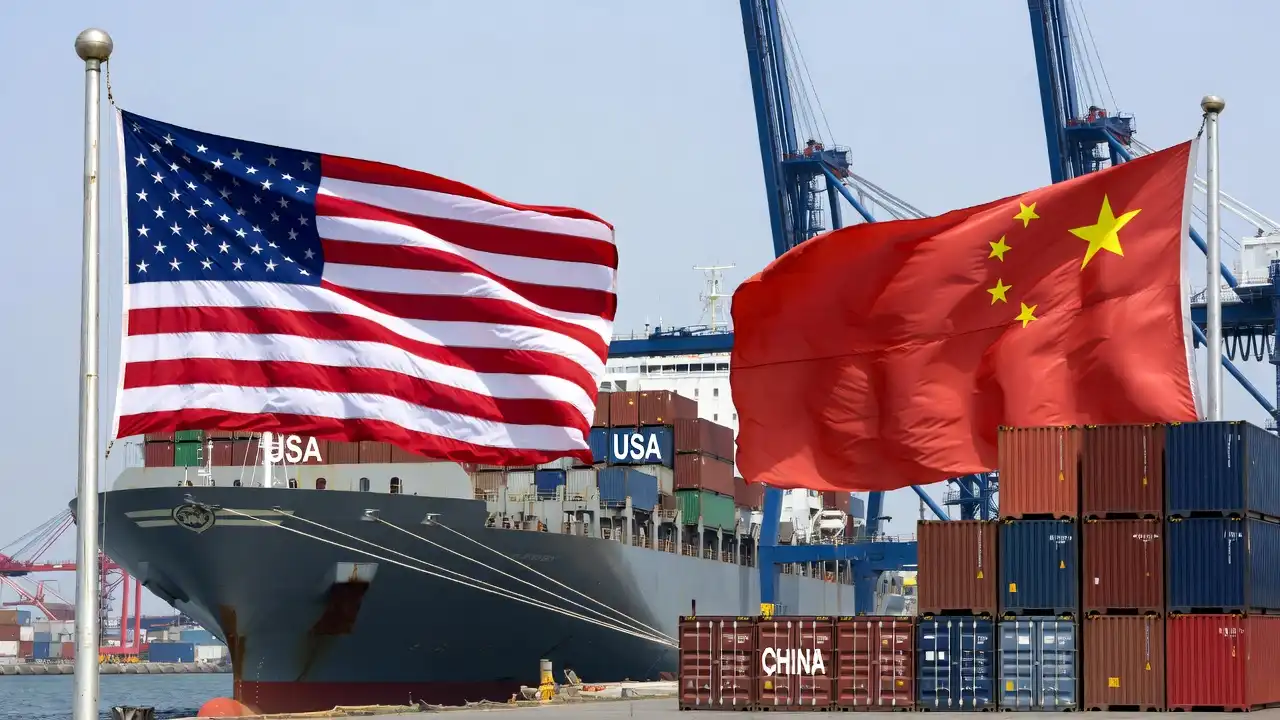
When U.S. President Donald Trump met Chinese President Xi Jinping last October in South Korea, Trump gave the meeting a perfect score of 12 out of 10. The White House told the public that China would quickly eliminate its strict rare earth export controls and stop punishing American companies. However, Beijing took the exact opposite path. Instead of rolling back its trade weapons, the Chinese government rapidly expanded its economic pressure tools to use against Washington.
Over the past six months, China has created aggressive new laws designed to punish any foreign business that moves its supply chains out of the country. The state also tightened its rare-earth licensing rules and completely banned foreign artificial-intelligence chips from state-funded data centers. The government then blocked American and Israeli cybersecurity software from operating inside Chinese companies. Officials now plan to restrict the export of advanced solar manufacturing equipment to the United States.
Trade experts see this behavior as much more than simple retaliation. They note that China uses this current trade truce to build a massive menu of economic influence tools. Before this year, Washington almost exclusively held this type of economic power. Analysts say Beijing hopes to secure a lasting truce during the upcoming mid-May summit between Xi and Trump. However, Chinese leaders operate on the old logic that if you want peace, you must prepare for war.
The current truce officially expires in November 2026. Beijing originally forced Washington to the negotiating table last year by threatening to cut off rare earth exports to the United States. Those initial export controls caused massive shortages across American auto supply chains in just a few weeks. Since that October meeting, China refused to sit quietly. The government enacted multiple retaliatory measures to defend its national interests against foreign trade threats.
In April, Chinese Premier Li Qiang signed two groundbreaking regulations into law. These rules grant authorities massive new powers to investigate foreign companies, governments, and individuals. The state targets anyone accused of discriminating against Chinese supply chains or using unjustified legal power against Chinese businesses. Under these new laws, authorities can deny visas, expel foreign workers, and seize the financial assets of anyone who breaks the rules.
These tough regulations took effect immediately, and the government offered no chance for businesses to provide feedback. Michael Hart, who serves as the president of the American Chamber of Commerce in China, highlighted a severe imbalance in the new system. He noted that China can stop buying goods from foreign companies without facing any consequences. Meanwhile, a foreign business that tries to reduce its dependence on Chinese factories now faces intense government investigations.
Global events pushed China to develop these new economic weapons faster. The ongoing conflict in Iran significantly sharpened Beijing’s focus. In mid-April, U.S. Treasury Secretary Scott Bessent threatened to sanction any country that buys Iranian oil. This threat directly targets China, since Chinese buyers purchase a massive 80% of all Iranian oil exports. Soon after Bessent issued his warning, a social media account tied to China’s state broadcaster stated that old trade tools simply cannot handle today’s comprehensive international friction.
Washington certainly maintains its own intense economic pressure on Beijing. In March, the U.S. government launched major trade investigations into excess Chinese industrial capacity and the use of forced labor. The United States also maintains strict export limits on advanced semiconductors and chipmaking equipment. Industrial policy analyst Chim Lee pointed out that these export controls effectively prevent China from accessing the most advanced semiconductor manufacturing equipment on the global market.
This fierce competition for leverage now complicates major international business deals. For example, China wants to buy Boeing aircraft worth more than $20 billion. Beijing desperately needs the new planes and spare parts for its airlines. However, Washington told negotiators that the United States needs massive shipments of the rare-earth metal yttrium from China to build the jet engines themselves. This standoff leaves the massive aviation deal totally stuck in the mud.
To fight back against American tech restrictions, Beijing escalated its internal regulatory demands. Starting in late 2025, the government required all domestic chipmakers to buy at least 50% of their hardware from Chinese companies when building new factories. By forcing data centers to replace foreign AI chips with domestic alternatives, China pushes American suppliers completely out of the local market. The European Chamber in China warned in an April report that China’s aggressive export controls could disrupt global supply chains on a massive scale.
As the United States works hard to reduce its heavy dependence on Chinese critical minerals, China races to identify brand new economic choke points. Chinese officials recently held initial talks with major solar panel equipment providers. They discussed new plans to stop selling the most advanced solar technology to American buyers. Geopolitics analysts expect the Chinese government to keep searching for vulnerabilities in the global supply chain, throwing different restrictions at the wall to see what actually works.