Key Points:
- A tanker holding 145,000 kiloliters of American crude oil arrived in Tokyo Bay on Sunday.
- The delivery marks the first United States oil shipment to Japan since the Iran conflict started in late February.
- Japan usually buys more than 90 percent of its crude oil from the Middle East through the blocked Strait of Hormuz.
- Japanese officials and energy companies now desperately seek new oil suppliers across South America and Central Asia.
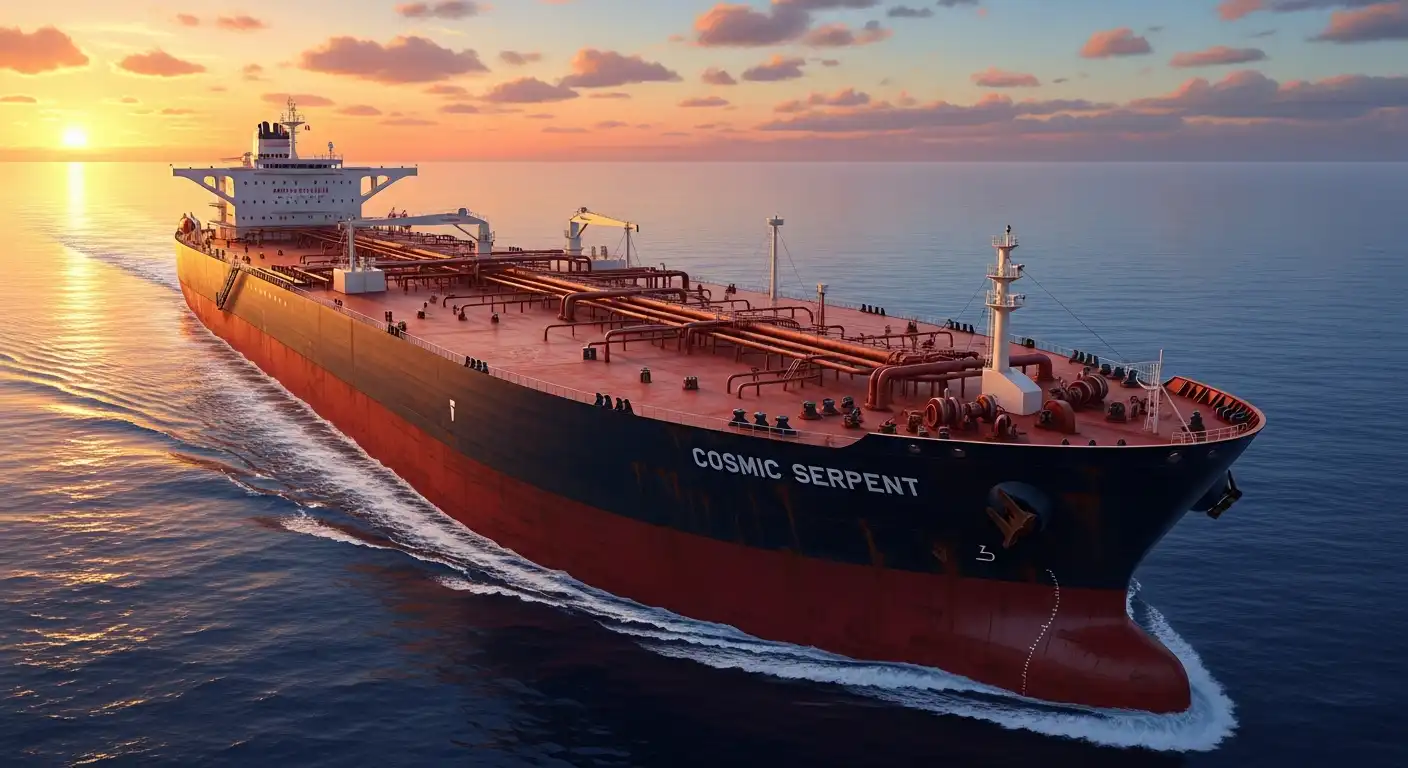
A massive tanker carrying American crude oil finally sailed into Tokyo Bay on Sunday. Cosmo Energy Holdings Company purchased this important cargo to help keep the country running. The ship transported 145,000 kiloliters of unrefined oil directly from the United States. While this may sound like a large amount of fuel, it only covers half a day of normal energy consumption for the Japanese population. Still, this arrival shows real progress for the island nation.
This delivery marks the first crude oil shipment from the United States to reach Japanese shores since the ongoing war with Iran began. The global energy market flipped on its head in late February when the conflict officially broke out. Since then, energy companies across Asia have rushed to find reliable fuel sources. The successful docking of this American tanker provides some relief for Japanese energy markets.
The journey of this specific oil tanker took more than a month to complete. The vessel originally departed from a port in Texas back on March 22. It then navigated south and traveled through the Panama Canal to reach the Pacific Ocean. Shipping companies must use smaller vessels on this route because the Panama Canal cannot accommodate the massive supertankers that normally carry crude oil across the globe. After clearing the canal, the ship made the long trek across the Pacific directly to Tokyo.
The raging conflict between the United States, Israel, and Iran created this desperate logistical situation. The war effectively forced the complete closure of the Strait of Hormuz. This narrow body of water typically serves as the primary artery for global energy shipments. Millions of barrels of oil usually pass through this tight channel every single day. With military forces active in the area, shipping companies refuse to send their valuable tankers into the warzone.
Japan faces a particularly severe crisis due to this waterway’s closure. The country currently relies on the Middle East for more than 90 percent of its total crude oil imports. Almost all of that Middle Eastern oil must travel through the Strait of Hormuz to reach the open ocean. Because Japan lacks its own natural energy resources, the sudden blockage of its primary fuel route threatens the entire national economy. The government knows it cannot survive without a steady stream of imported energy.
To prevent a nationwide energy collapse, Japanese government leaders and corporate oil wholesalers changed their entire purchasing strategy. They now work around the clock to secure emergency oil supplies from entirely different continents. Their main goal is to find safe alternative shipping routes that completely bypass the dangerous waters of the Middle East. This requires building new relationships with suppliers they previously ignored in favor of cheaper Middle Eastern crude.
The United States currently stands as the most obvious alternative supplier. American oil producers pump record amounts of crude out of the ground, primarily in states like Texas and North Dakota. However, buying American oil presents new challenges. The long distance between the Gulf of Mexico and Japan makes the shipping process much more expensive. The reliance on smaller ships that fit through the Panama Canal also limits how much oil Japan can import at one time.
Because of these logistical constraints, the Japanese government refuses to rely solely on the United States. Leaders aggressively seek out new drilling partners across South America and Central Asia. Countries in South America offer promising offshore reserves, while Central Asian nations hold massive untapped oil fields. Securing contracts with these distant regions will help Japan diversify its energy portfolio and protect itself from future supply shocks from the Middle East.
The sheer math of Japan’s energy needs shows the huge problem ahead. If one American tanker, holding 145,000 kiloliters, powers the country for only 12 hours, Japan needs roughly 60 similar ships every month just to maintain basic operations. Finding enough available tankers, securing raw oil, and covering higher transportation costs will strain the national budget. Everyday citizens will likely see the results of this crisis at the gas pump and on their monthly utility bills.
For now, the arrival of the Texas tanker gives Japanese officials a brief moment to breathe. The successful delivery proves that alternative supply chains actually work in practice. Cosmo Energy Holdings showed the rest of the industry how to pivot quickly during a major geopolitical crisis. As the war involving Iran stretches on with no end in sight, Japan will need to organize hundreds of these long-distance shipments to keep its cities glowing and its factories running.