Key Points:
- China warned the European Union of direct countermeasures if it bans Huawei and ZTE telecommunications equipment.
- Chinese officials demanded the removal of draft language labeling their technology companies as high-risk suppliers.
- Commission Vice President Henna Virkkunen wants to make the removal of Chinese network equipment mandatory across the continent.
- Several European nations already limit Huawei technology under voluntary guidelines issued back in 2020.
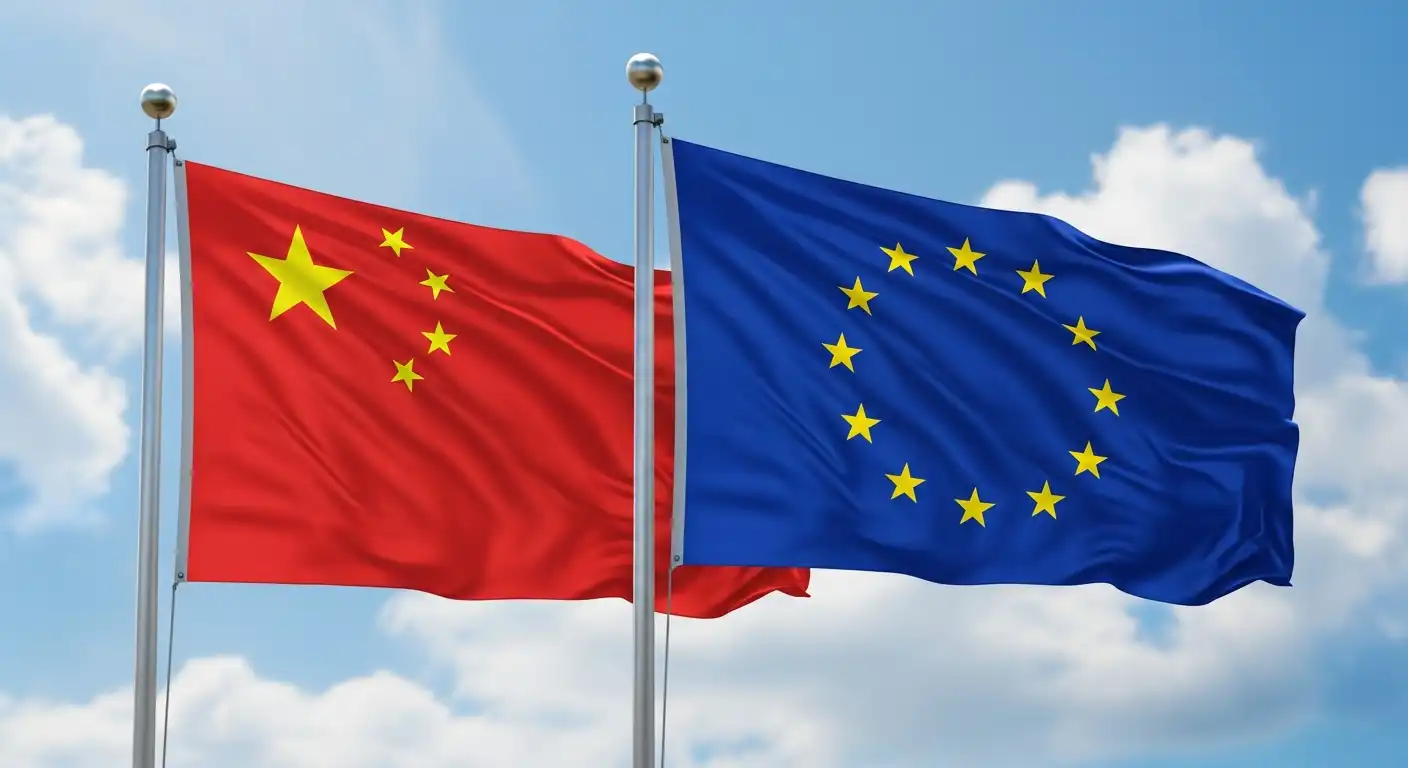
China delivered a harsh warning to the European Union on Wednesday. Chinese diplomats told officials in Brussels that Beijing will launch aggressive countermeasures if Europe moves forward with a complete ban on Huawei equipment. The Chinese mission to the EU delivered this direct threat during a tense meeting. They want Europe to back down from proposed rules that specifically target Chinese technology companies and threaten their global market share.
The Chinese mission focused its anger on a new proposal drafted by Commission Executive Vice President Henna Virkkunen. Chinese officials demanded that the European Commission remove specific language from her latest draft. Virkkunen wants to designate Chinese network equipment as a major cybersecurity concern legally. Her proposal officially classifies telecom giants like Huawei and ZTE as high-risk suppliers. China completely rejects this label and sees it as unfair discrimination against its domestic businesses.
Virkkunen aggressively seeks new methods to force all EU member states to rip out Chinese equipment from their telecommunications networks. In January, she introduced tough mandatory measures under the European Cybersecurity Act. She wants to stop relying on voluntary suggestions and create strict laws that secure national networks across the continent. Her ultimate goal is to purge Huawei and ZTE hardware from critical European infrastructure completely.
China did not hold back its response to these planned regulations. The Chinese mission made it clear that adopting this proposal will trigger severe and immediate consequences for Europe. If the European Union passes the ban, China will implement heavy countermeasures against the bloc. The statement warned that the Chinese government could launch disruptive investigations into European businesses operating inside China. Officials promised to take reciprocal measures if the new law forces European telecom companies to discard their Chinese equipment.
A trade war over telecommunications could easily cost both sides billions of dollars. European companies sell massive amounts of goods to Chinese consumers every single year. If Beijing targets European car makers, luxury brands, or agricultural exports in retaliation, the economic damage would ripple across the globe. European leaders must now carefully weigh the security benefits of banning Huawei against the severe financial pain of Chinese economic retaliation.
The fight over Huawei inside Europe actually started years ago. Back in 2020, the European Commission released a set of voluntary guidelines known as the 5G toolbox. These guidelines strongly recommend that member nations limit their use of high-risk vendors when building their new high-speed wireless networks. However, because the rules remained purely voluntary, many European countries ignored them. Telecom operators continued buying cheap, effective equipment from Chinese suppliers to save money on their network upgrades.
Even without a continent-wide mandate, several countries have already taken action against Chinese tech companies. The United Kingdom and several European nations have implemented strict restrictions on Huawei equipment over the last 4 years. They banned the company from participating in sensitive portions of their national telecommunications networks. National security agencies in these countries repeatedly cited deep security concerns regarding the close relationship between Huawei executives and the Chinese government.
The United States also played a massive role in shaping this global technology dispute. American officials spent the last 5 years lobbying their European allies to drop Huawei. Washington claims that Chinese intelligence agencies can use Huawei hardware to spy on Western communications or shut down critical networks during a conflict. Huawei strongly denies these accusations, arguing that it operates as an independent private company. Despite these firm denials, the constant pressure from Washington pushed many European leaders to rethink their network security.
Forcing telecom operators to rip out existing Huawei gear creates a massive logistical and financial nightmare for the industry. Mobile network operators across Europe have already spent billions of euros installing Chinese antennas and base stations. Replacing this functioning hardware with new equipment from European rivals like Ericsson or Nokia takes years of hard work. The telecom industry warns that a sudden, mandatory ban will delay the rollout of 5G networks and increase mobile phone bills for everyday customers.
The upcoming decisions regarding the Cybersecurity Act will truly test the European Union’s resolve. Leaders in Brussels face immense pressure from both the United States and their own security experts to lock down their digital borders. At the same time, Beijing stands ready to punish European businesses if the ban becomes law. This intense standoff over telecommunications equipment highlights the growing friction between national security priorities and global free trade.