Key Points:
- Tesla officially produced its first Semi truck from a completely new high-volume manufacturing line.
- The long-haul electric vehicle boasts a maximum driving range of 500 miles on a single battery charge.
- The automaker plans to spend more than $20 billion this year to expand its global manufacturing operations.
- Volume production for the autonomous Cybercab and the Megapack 3 battery system will officially begin in 2026.
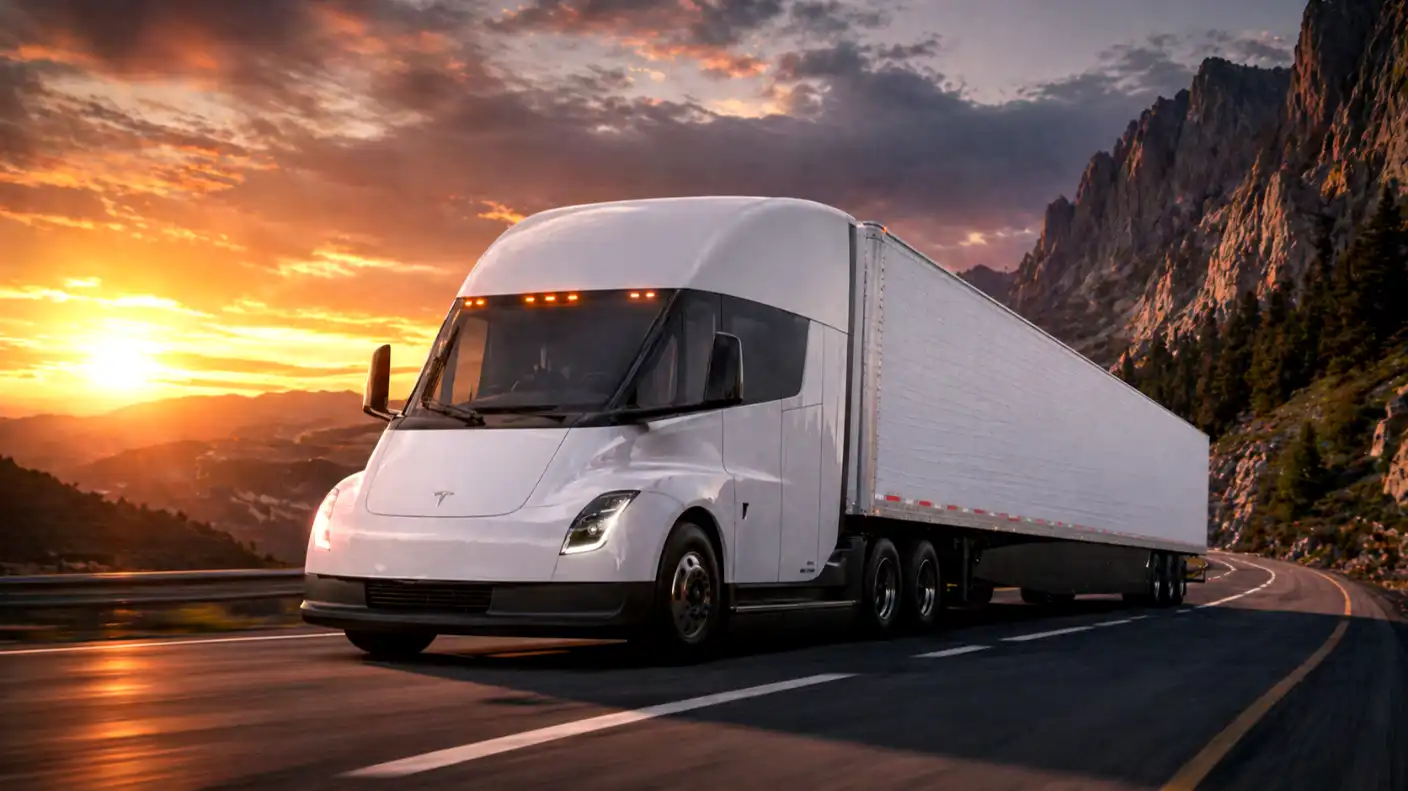
Tesla achieved a major manufacturing milestone on Wednesday. The electric vehicle company announced that its very first Semi truck successfully rolled off a high-volume production line. This event marks a huge step forward for the automaker as it pushes to change the commercial trucking industry. Tesla shared the exciting news directly with its fans through a short message on the social media platform X.
The Tesla Semi represents a massive shift for long-haul freight transport. Engineers designed this all-electric vehicle to replace traditional, dirty diesel trucks on the highway completely. According to the official company website, the long-range model can travel up to 500 miles on a single battery charge while pulling a fully loaded trailer. Tesla expects to begin delivering these new high-volume trucks to eager commercial customers later this year.
Chief Executive Officer Elon Musk first unveiled the Semi prototype back in 2017. Fans and transport companies waited almost 9 years for the truck to enter true mass production. Over the years, the company faced supply chain problems and battery shortages that delayed the project multiple times. Now, the dedicated manufacturing facility in Nevada finally possesses the heavy machinery and battery supplies needed to build these massive trucks quickly and efficiently.
The semi-truck represents only one piece of a much larger plan for 2026. During a recent earnings call, Tesla executives told investors that the company remains perfectly on track to launch large-scale manufacturing for several other highly anticipated products. For example, the automaker will begin building its futuristic Cybercab robotaxi this year. Tesla plans to build these autonomous passenger vehicles at its massive factory located in Texas.
Beyond consumer vehicles, the company also focuses heavily on its energy storage business. Tesla confirmed that volume production for the Megapack 3 battery system will officially kick off in 2026. Utility companies buy these massive battery blocks to store renewable energy from solar panels and wind turbines. The energy division continues to grow rapidly and provides a very steady stream of cash for the overall business.
To achieve all these ambitious goals, Tesla must spend an incredible amount of money. Back in January, the automaker revealed a massive budget plan for the current calendar year. The company expects its total capital spending to more than double compared to previous years. Tesla will pour more than $20 billion into new factories, advanced equipment, and research projects over the next 12 months.
This massive $20 billion investment will cover several different expanding divisions. A large portion of the money will pay for the new Semi production lines in Nevada and the Cybercab assembly lines in Texas. However, Tesla also needs cash to fund its more experimental projects. The company plans to direct millions of dollars toward developing the Optimus humanoid robot, which Musk believes will eventually perform dangerous or boring factory jobs.
Furthermore, Tesla knows it must secure raw materials to build millions of electric vehicles. The massive capital budget includes heavy investments in lithium refining and basic battery cell production. By building its own lithium processing plants, Tesla protects itself from sudden price spikes in the global commodities market. The company wants to control every single step of the manufacturing process, from digging raw dirt to delivering the final car.
Reaching high-volume production for the Semi proves that Tesla can successfully overcome difficult engineering challenges. Building a giant electric truck requires completely different skills from building a small passenger car. As the company expands its lineup to include heavy trucks, robotaxis, and home batteries, Tesla moves closer to its goal of dominating the entire global energy and transportation sector. The success of the Nevada factory gives investors strong confidence that the company will hit its aggressive 2026 targets.