Key Points:
- Gas and diesel prices spiked by 44% after the conflict started in late February.
- Major airlines raised baggage fees and plan to cancel 20,000 flights due to expensive jet fuel.
- Household brands like Procter & Gamble and Unilever will increase prices to recover $1 billion in losses.
- About 45 million more people could face starvation as high transport costs drive up global food prices.
Shoppers feel the pain at the pump and at the checkout counter. Everyday items like soap and toothpaste cost more money. Postal prices keep climbing. Airlines cancel flights and charge higher ticket prices and baggage fees. Consumers pay a heavy price for the Iran war as the conflict disrupts global energy production. The war enters its third month, pushing gasoline, diesel, and jet fuel prices higher. These steep energy prices make driving and air travel incredibly expensive. Many companies warn their customers that worse days lie ahead. High fuel costs and expensive petroleum-based materials will soon drive up food prices and household item costs.
Iran recently closed the Strait of Hormuz to all oil tankers. This aggressive move traps ships in the Persian Gulf, preventing them from reaching customers worldwide. At the same time, the U.S. Navy enforces a strict blockade that stops Iran from selling its own oil. These military actions caused global oil prices to surge overnight. Energy traders worry the war will stop the flow of crude oil for a long time.
When the cost of crude oil rises, the prices of gasoline and other fuels follow right behind; these fuels keep important equipment, cars, buses, delivery trucks, and airplanes running. Gas prices across the United States reached their highest level since 2022. The national average gas price hit $4.30 a gallon on Thursday. Before the war started, drivers paid only $2.98 a gallon. This jump represents a massive 44% increase since the U.S. and Israel attacked Iran on February 28.
Steep diesel prices make it much more expensive for trucking companies to haul everyday goods. Diesel fuel currently averages nearly $5.50 a gallon. Before the war, diesel cost just $3.76. Economics professor Peter Zaleski warned shoppers to watch diesel prices closely. He explained that diesel costs directly affect the final shelf prices of consumer goods such as clothing, cosmetics, and furniture. Shippers have already started adding special surcharges to cover their massive fuel bills.
The U.S. Postal Service rolled out a temporary 8% charge on some of its services, including Priority Mail. Postal officials hope this extra fee will help soften the blow of rising transportation costs. Amazon took similar steps to protect its profit margins. The online retail giant added a 3.5% fuel and logistics surcharge on all third-party sellers who use its platform.
The aviation industry faces similar struggles with energy costs. The global price of jet fuel shot up to $209 a barrel in early April. Prices dropped slightly to around $179 last week, but they remain much higher than the $99 average at the end of February. Fuel stands as one of the biggest operating expenses for passenger airlines. These expensive barrels force airlines to raise airfares, add extra baggage fees, and introduce new add-on charges.
Major carriers like Delta, United, American, and Southwest recently raised their checked baggage fees. United now charges economy and premium passengers separately for options like seat selection. American added seat assignment fees to basic economy, and they apply these fees even to their elite-tier loyalty members. Outside the United States, European and Asian carriers added hefty fuel surcharges. Some foreign airlines tacked on hundreds of dollars to long-haul flight tickets. Airlines also trimmed their flight schedules, cut unprofitable routes, and reduced seat capacity. The Lufthansa Group plans to cancel about 20,000 flights over the next six months.
Manufacturers of everyday items feel the pressure and plan to charge shoppers more. Procter & Gamble makes popular household products like Crest toothpaste, Tide detergent, and Charmin toilet paper. The company warned last week that the war would take a $1 billion chunk out of its profits next year. Chief Financial Officer Andre Schulten told reporters on April 24 that the company produces many products and packages that use petroleum-based materials. He said the company will likely pass these extra costs on to shoppers. London-based Unilever makes Dove soap and Hellmann’s mayonnaise. Unilever plans to raise prices by 2% to 3% soon.
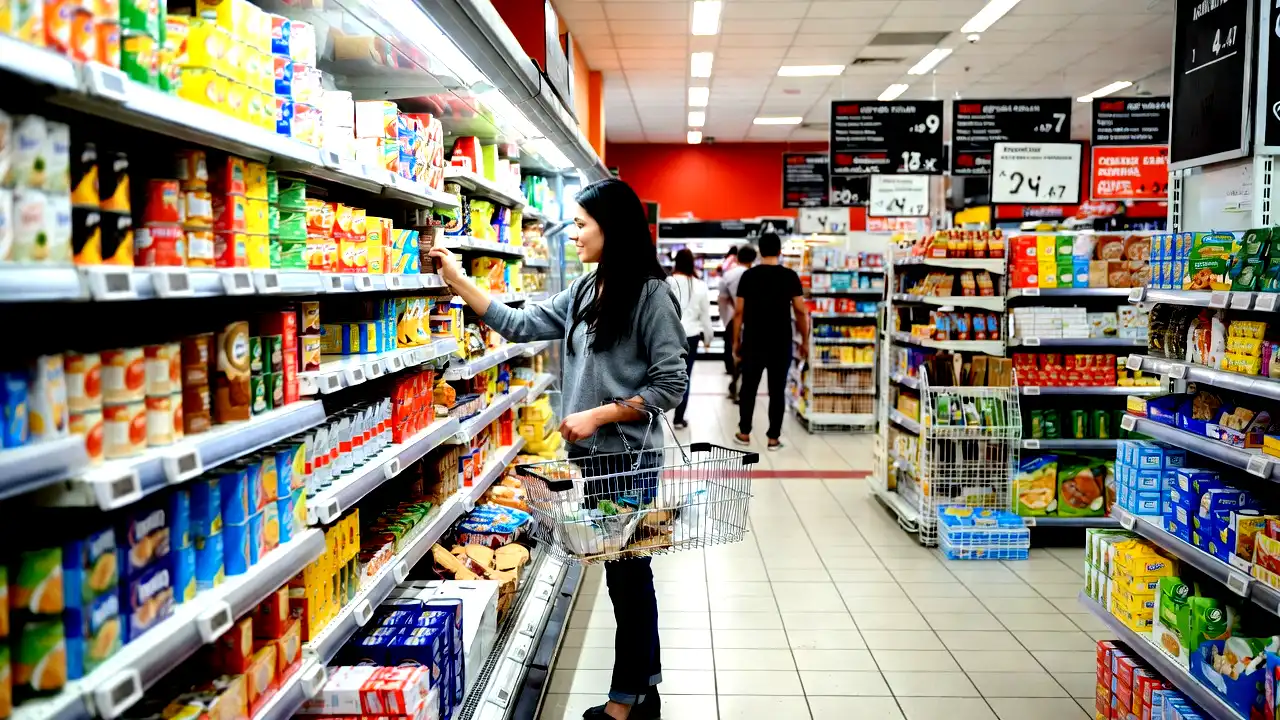
Government data show that grocery prices have not yet jumped. However, agricultural experts expect them to rise quickly as fuel and fertilizer supplies tighten. Fuel makes up about 15% to 30% of the total cost of food production. Farmers also rely heavily on fertilizer to grow their crops. Roughly 30% of the world’s fertilizer shipments usually travel through the Strait of Hormuz. Purdue University economics professor Ken Foster said retail food prices usually increase 3 to 6 months after an energy price shock. Packaged foods might take up to a year to show higher price tags.
The United Nations World Food Program warns of severe consequences if the war continues past the middle of the year. The organization estimates that 45 million more people in Asia and Africa could fall into starvation. This disaster would push the global total of people facing food insecurity to a record 363 million. Supply chain director Corinne Fleischer stated that shipping delays and higher transport costs immediately push up food prices. She noted that families who spend 50% to 70% of their income on food will face hunger first.